REVIEW · ANDAMAN AND NICOBAR ISLANDS
Andaman FlyAir Parasailing
Book on Viator →Operated by Andaman FlyAir · Bookable on Viator
Andaman parasailing is the rare activity that feels like flying. I like how professional crew guidance keeps the whole experience clear and controlled, and I also like that you stay in a sitting position the entire time for comfort. It’s a simple setup that still delivers a proper birds-eye view of the islands.
One thing to plan around: it depends on good weather, and there are age limits (kids over 16, adults below 70) plus a moderate fitness level requirement. If any of those don’t fit you, the experience might be harder to enjoy.
In This Review
- Key highlights you’ll care about
- Why parasailing from Phoenix Bay Jetty is worth your time
- Meeting Andaman FlyAir at Phoenix Bay Jetty (and what happens first)
- The boat ride out: simple transfer, then you’re ready for lift-off
- Harnessing and the sitting-position flight over the sea
- The dip in the water and coming back without drama
- Timing choices, refreshments, and what to wear
- Price and value: how $32 adds up for an hour of real flight
- Who this suits best (and the one caution I’d plan for)
- Weather matters: the practical plan if conditions aren’t right
- Should you book Andaman FlyAir Parasailing?
- FAQ
- Where does Andaman FlyAir Parasailing start?
- How long is the parasailing experience?
- Do I get the equipment and safety gear?
- Will I be sitting or standing during the flight?
- Are there age limits for kids and adults?
- What happens if the weather is poor?
Key highlights you’ll care about
- Professional crew and safety watch throughout: jackets, harnessing, and ongoing supervision while you’re up there
- Sitting parasailing only: you’re comfortable from lift-off to landing, not standing or scrambling
- Custom-built parasail boat: designed for an easier, smoother takeoff and return
- 1-hour block that stays focused: boat time plus ride time, without dragging on all day
- Flexible morning, afternoon, and evening slots: you can match it to your day on Andaman
- Refreshments included: a small comfort after you’re done flying
Why parasailing from Phoenix Bay Jetty is worth your time
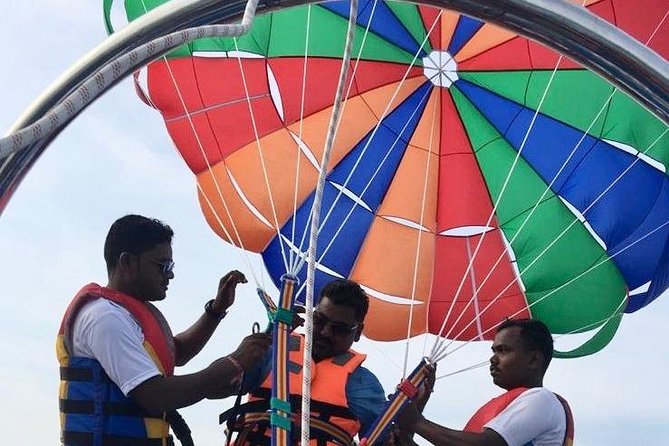
If you want an Andaman activity that feels both exciting and doable, this fits. You’re not signing up for a half-day tour that chews up your whole schedule. Instead, you get about an hour (approx.) of a high-adrenaline, low-complication experience: ride out to the parasail boat, fly, then come back.
The start point matters too. You meet at Phoenix Bay Jetty in Sri Vijaya Puram (Andaman and Nicobar Islands). That location is useful because it’s not an out-of-the-way fantasy meeting spot. It’s a real jetty setting, and it’s near public transportation, which helps if you’re juggling other plans.
Also, the operator’s style is built around clarity. You’re guided from the first instructions all the way through boarding, harnessing, lift, descent, and return. That matters because parasailing is part thrill, part procedure. When both are handled well, you spend less time wondering what’s coming next and more time enjoying it.
Finally, there’s real value for the price. You’re getting professional handling, all necessary gear, and a full experience from shore to flight and back. For around $32 for the session, it’s one of those activities that’s easy to justify when you’re trying to balance budget and memories.
Meeting Andaman FlyAir at Phoenix Bay Jetty (and what happens first)
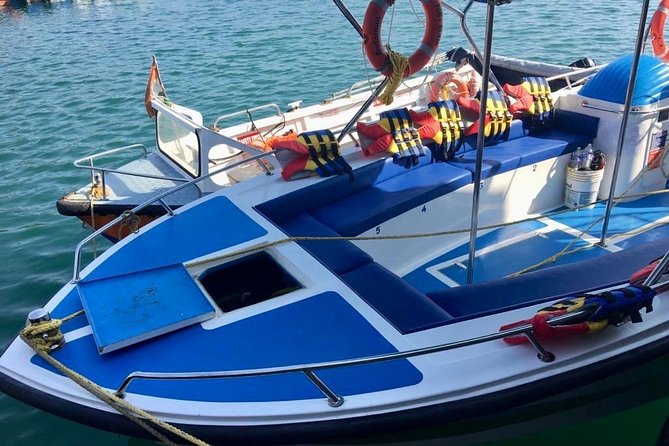
Your day starts at Phoenix Bay Jetty (Sri Vijaya Puram). You’ll meet an agent at the designated spot, then confirm the booking. After that, you get clear instructions about how the activity works and what to do when it’s your turn.
This first step sounds basic, but it’s actually key. Parasailing has a lot of moving parts—getting on the boat, getting safely harnessed, and learning how to sit properly for takeoff and landing. When you get straightforward guidance upfront, the experience feels calm even if the view is wild.
You’ll also be in a small group. The setup runs with about 5–10 people. That’s a sweet spot. It’s not so small that you feel rushed, and it’s not so large that you’re waiting forever for your turn.
One more practical point: this is a private tour/activity for your group. That usually means less mixing, fewer surprises, and more control over your own schedule—especially helpful if you’re traveling with friends or want a smoother experience without extra people added in.
The boat ride out: simple transfer, then you’re ready for lift-off
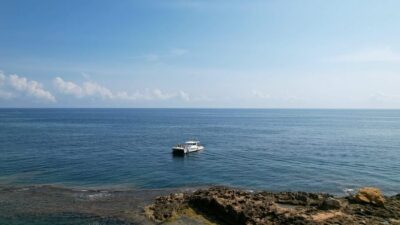
After instructions and confirmation, you’ll be taken on a regular boat from the shore to the parasailing boat out on the ocean. Your group boards for that sea transfer, then you shift over to the parasail boat when you arrive.
There’s a nice rhythm to how they run this. Passengers start parasailing one after another. That matters because it keeps things orderly. You’re not stuck waiting with no idea what’s happening; you can watch the process, learn from others’ pacing, and get mentally ready without the pressure of being launched immediately.
The parasail boat itself is described as custom built, and that detail matters for comfort. You’re going for an aerial experience, so the first few moments have to feel stable. A boat designed for easier, smoother takeoff and return is basically the difference between feeling relaxed and feeling tense before you ever lift.
You’ll also have crew support as you move between steps. That’s not just about friendliness—it’s about safety and handling. Boats are busy places, and having trained people manage boarding helps everyone stay calm.
Harnessing and the sitting-position flight over the sea
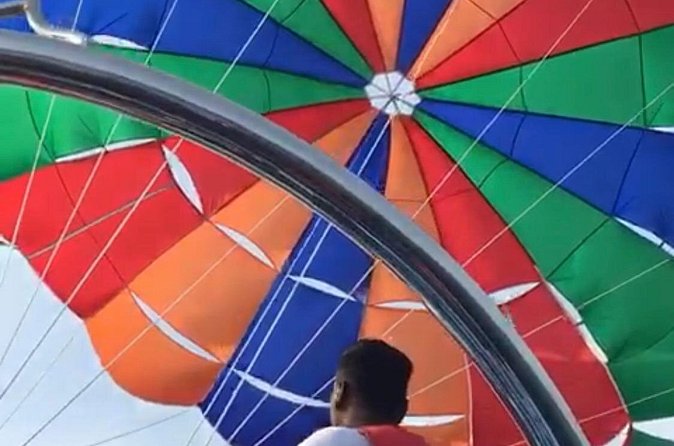
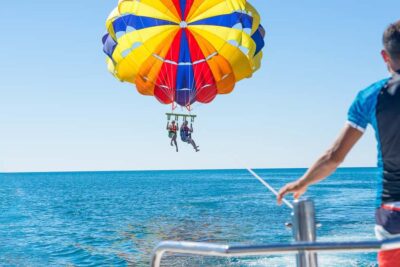
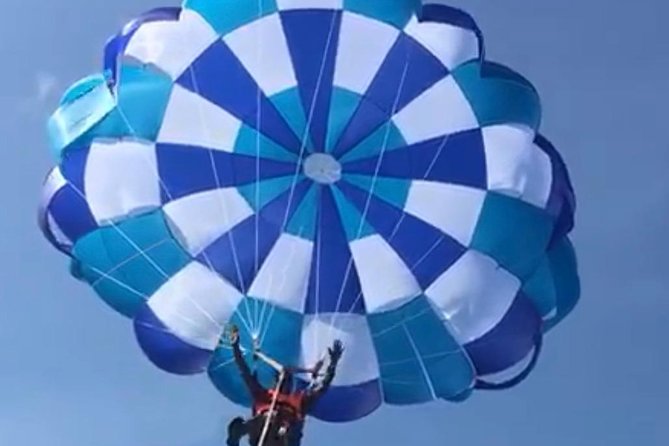
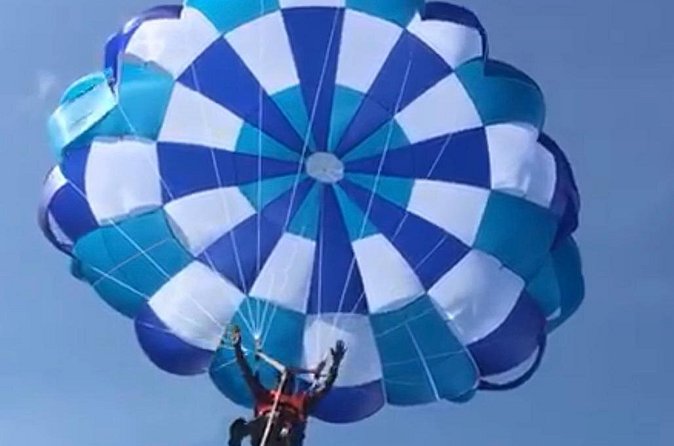
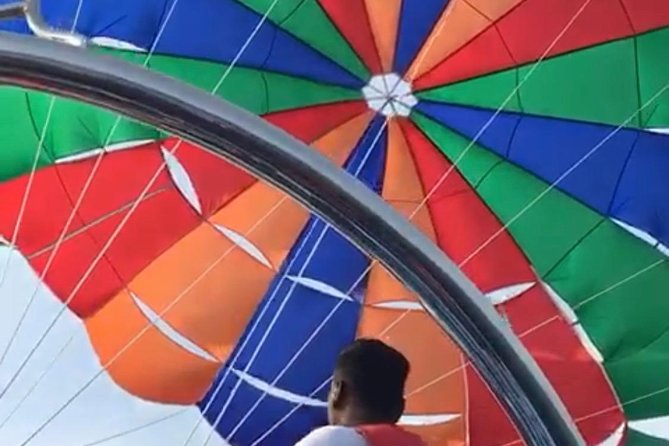
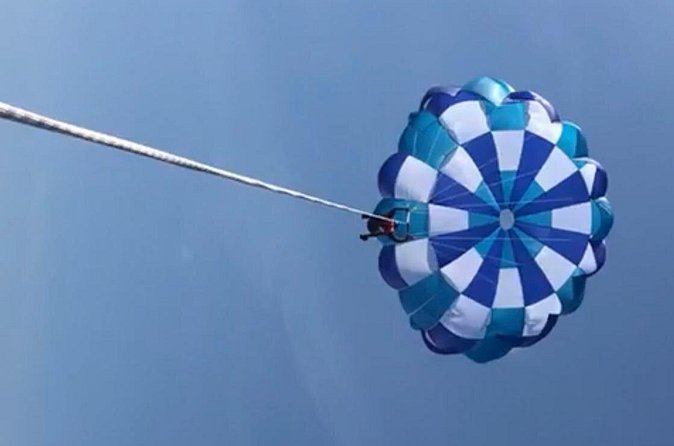
When it’s your turn, the crew helps you board the parasail boat, then they handle the gear. You’ll get jackets and be safely harnessed to the parachute. They then bring you up slowly.
The big comfort advantage here is that you’ll be in a sitting position the whole time. You’re not expected to stand, balance, or hold awkward poses. You sit, get strapped in safely, and enjoy the ride. For many people, that’s what makes parasailing feel accessible.
From up there, you get a clear birds-eye-view of the islands. The goal isn’t just to feel the thrill. It’s to see the coastlines and sea patterns from a higher angle, without needing specialized skills. It’s the kind of perspective that photographs beautifully because it’s a real change in viewpoint, not just a slightly higher deck.
Safety-wise, the crew stays attentive. They’re described as keeping an eye on you for safety during the experience. That reassurance is especially valuable if you’re nervous about heights. You’ll still feel the sensation of being lifted, but you’re not doing it blindly.
One small detail worth noting from how the operation is remembered: a standout review praised the person handling the activity, naming Selvem as someone who managed the session nicely. I can’t promise who you’ll get, but it’s a good sign when the workflow is described as well-run.
The dip in the water and coming back without drama
Parasailing ends with a controlled descent. After your time up in the air, you’ll slowly come down. Then you’ll have a dip in the water before returning to the boat.
That “dip” is part of what makes the experience feel complete. You’re not just floating above the sea like a fixed balloon ride; you return to the water environment gently, with a fun finish that breaks the ride into clear moments: lift, float, descend, dip, return.
When you come back, you return to the boat in the same sitting position. That helps your body feel steadier through the whole cycle. A lot of people worry about the transition at the end—how you’ll land, what it will feel like, whether you’ll be jostled. Having the ride designed around a consistent seated setup is a practical comfort advantage.
Then you’re done and taken back to the meeting point area, finishing at the original spot.
Timing choices, refreshments, and what to wear
You can pick from morning, afternoon, or evening timings, which is great in the Andaman islands where weather and plans can shift day to day. If you’re visiting multiple activities, this flexibility helps you avoid cramming parasailing into the one time slot that doesn’t match your energy level.
Refreshments are included for all participants. That’s not a flashy perk, but it’s a nice one. Parasailing builds up a bit of adrenaline, then you’re back on the boat and heading back to your day. Having something included helps the whole block feel smoother.
For what to wear, keep it simple:
- Wear T-shirt, shorts, or a loose dress
- Keep it comfortable for boat movement
Because you’ll be near water and will get a dip, you’ll be glad you didn’t choose anything restrictive. Loose clothing is usually easier to manage around a harness and boat environment than anything stiff or complicated.
Price and value: how $32 adds up for an hour of real flight
At around $32 for about 1 hour (approx.), the value comes from what’s included, not just the price tag. You’re paying for more than the “air time.” You’re paying for:
- A professional crew
- All necessary equipment
- Jackets and harnessing
- A guided, step-by-step process
- Refreshments
- A full route from Phoenix Bay Jetty out to the parasail boat and back
That’s the difference between a cheap activity and a good value activity. You’re not showing up to borrow random gear and hope everything works out. The operator is supplying what you need and supporting the safety flow.
If you’re trying to build a balanced Andaman day—something exciting but not exhausting—this is a strong pick. It’s short enough to pair with other sights, and it creates a memory that feels bigger than the time you spend.
Who this suits best (and the one caution I’d plan for)
This activity fits best if you:
- Want a true sea-and-sky thrill without hours of travel
- Prefer a clear, guided setup with trained handling
- Are comfortable being in a sitting position the entire time
- Can manage a moderate fitness level requirement
The age range is important. Kids are allowed over 16 years, and adults must be below 70 years. If you’re traveling with a teen or an older adult, double-check that age window before you plan your schedule.
The other caution is weather. The experience requires good weather, and if it’s canceled due to poor conditions you’ll be offered a different date or a full refund. That means you shouldn’t treat it like a guaranteed fixed appointment. Still, it’s reassuring that the operator plans for weather changes and offers clear options if things can’t run.
Weather matters: the practical plan if conditions aren’t right
Parasailing is naturally weather-sensitive. If conditions aren’t suitable, the activity may be canceled. In that case, you’ll either:
- be offered a different date, or
- get a full refund
From a traveler’s point of view, this is a fair and workable system. You can keep your schedule flexible, choose a timing slot that matches your day, and know you’re not stuck paying for a ride that can’t legally or safely happen.
Should you book Andaman FlyAir Parasailing?
I’d book this if you want one of the best “big memory” activities in Andaman that doesn’t eat your whole day. It’s guided, it’s comfortable thanks to the seated setup, and it includes the basics that matter for safety and convenience—gear, crew support, and refreshments. The fact that it runs from Phoenix Bay Jetty with flexible timing helps too.
Skip it or plan a backup if: your schedule can’t handle weather delays, you fall outside the age limits, or you’re not comfortable with the idea of staying seated while you fly and then take a dip.
If you want a straightforward, well-run parasailing session with a professional crew and a real chance at a stunning aerial view, this is a smart choice.
FAQ
Where does Andaman FlyAir Parasailing start?
It starts at Phoenix Bay Jetty, Sri Vijaya Puram, Andaman and Nicobar Islands 744101, India, and it ends back at the same meeting point.
How long is the parasailing experience?
The duration is about 1 hour (approx.).
Do I get the equipment and safety gear?
Yes. You’ll be provided with all necessary equipment, and the crew will help you with jackets and safe harnessing to the parachute.
Will I be sitting or standing during the flight?
You’ll be in a sitting position for the whole time while you’re lifted up in the air, and you’ll return to the boat in the same sitting position.
Are there age limits for kids and adults?
Kids are allowed over 16 years, and adults must be below 70 years.
What happens if the weather is poor?
The experience requires good weather. If it’s canceled due to poor weather, you’ll be offered a different date or a full refund.