REVIEW · ANDENES
Andenes: Responsible Whale Watching with Classic Catamaran
Book on GetYourGuide →Operated by Arctic Whale Tours AS · Bookable on GetYourGuide
Whales can appear out of nowhere here. In Andenes, a classic catamaran ride turns into a true Arctic wildlife search, led by marine experts who steer you toward the day’s best whale activity. This is responsible whale watching in a place where the ocean sets the rules, from calm water to choppy swells.
What I like most is the mix of science and hands-on local know-how. You’re with marine biologists and local crew, and they share whale behavior and how this ecosystem works as you go. I also love the practical comfort: a heated indoor cabin, outdoor viewing deck, and hot soup with warm drinks so you’re not freezing while you scan the water.
One thing to think about: the commentary is in English and can move quickly, so if your English is shaky, plan to rely more on visuals and the guides’ gestures than on every detail. If you’re sensitive to motion, it’s also worth taking the tour’s seasickness advice seriously.
In This Review
- Key highlights to plan around
- Andenes is built for whale spotting
- Getting on the boat: check-in, safety, and how it runs
- The search at sea: how the guides find whales
- The onboard meal: more than a nice touch
- Responsible viewing in real life (what it means on this boat)
- Weather reality: the Arctic doesn’t care about your plans
- What to bring (this is where you win the comfort game)
- Price and value: is $183 worth it?
- Who this tour suits best (and who should skip it)
- The decision: should you book this whale watching safari?
- FAQ
- How long is the whale watching tour?
- Where do I meet the tour?
- What’s included onboard?
- What wildlife might I see?
- Is there a rebooking option if no whales are seen?
- Is the tour guided in English?
- What should I bring?
- What’s not allowed during the tour?
- Who shouldn’t take this tour?
Key highlights to plan around
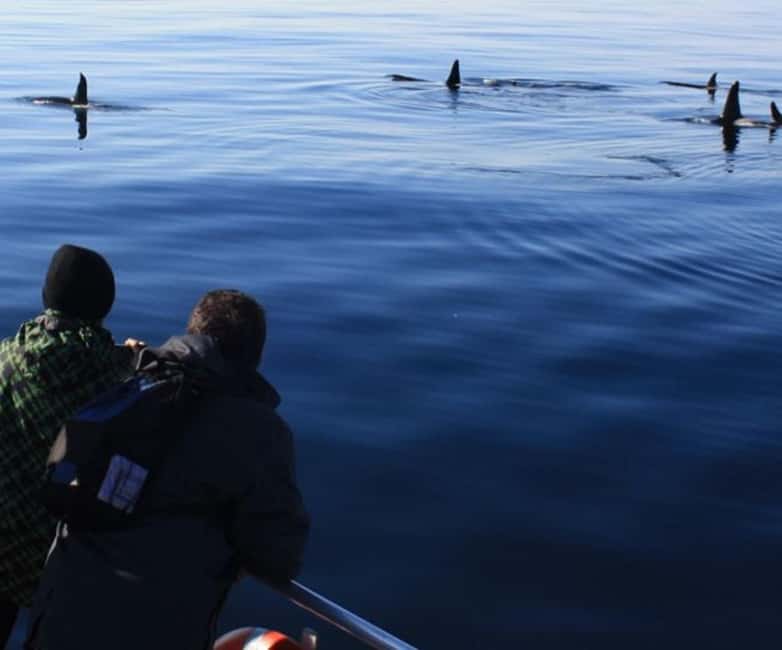
- Whale sightings can happen fast: the boat heads to the best-known areas based on where animals are that day
- Marine experts on board: you get real context on whale and seabird behavior, not just a script
- Heated indoor cabin + outdoor deck: you can switch between warmth and the best spotting angles
- Warm onboard meal: hot soup, bread, tea/coffee, biscuits keep you comfortable during the search
- Whale Pass policy: free rebooking if no whales or dolphins are seen (subject to availability)
Andenes is built for whale spotting
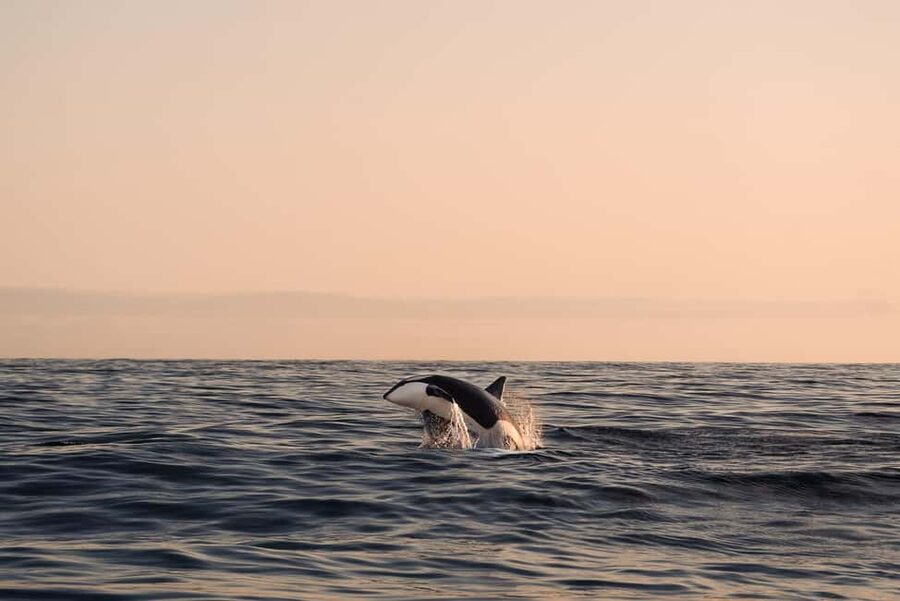
Andenes sits in Nordland County on Norway’s northern coast, and it’s one of those rare places where your odds don’t depend only on luck. You’re going out on Arctic waters known for whales and seabirds, and the trip is designed as a real wildlife safari: you search, then you go where the day’s conditions and sightings make sense.
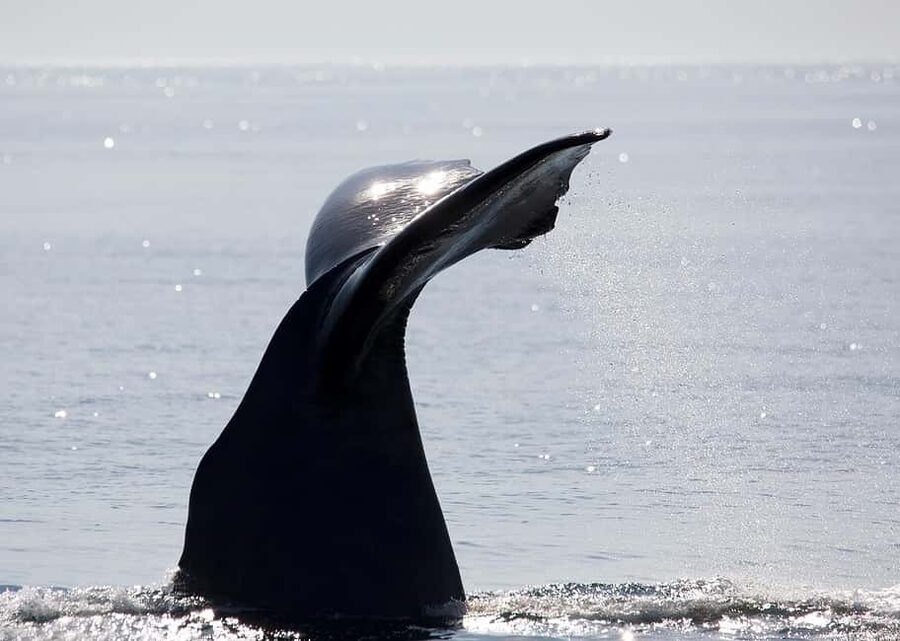
The heart of the experience is the moment a whale surfaces close to the boat. It’s not a quick “maybe we’ll see something” tour. It’s a chase with rules. The guides talk about behavior and what you’re seeing, and they keep the experience focused on observing wildlife without disturbing it.
Also, this is a 3–5 hour guided tour that usually lands around the 4-hour mark. The ocean and the whales decide the exact timing, so you’re not stuck in a rigid schedule. That flexibility is part of the value here.
Getting on the boat: check-in, safety, and how it runs
Start at Østre Havn in Andenes. You check in at the black reception container beside the large red harbor buildings, with the Arctic Whale Tours sign on the red building. It’s also close to the Andenes–Gryllefjord ferry, which can make your logistics easier if you’re combining routes.
Arrive early. You’ll need to check in 1 hour before the scheduled departure time. There’s parking near the reception, but it’s first come, first served, so don’t roll in at the last minute.
Before you leave the harbor, you get a warm welcome and a safety briefing, and you’ll be issued safety equipment and life vests. Even if you’ve been on boats before, it’s worth treating the briefing as important. Sea conditions in the Arctic can change quickly, and a stable boat ride depends on everyone following crew instructions.
One practical note: a minimum of 15 participants is required for the tour to depart. If you’re booking for a day with low demand, you might want a backup plan in Andenes.
The search at sea: how the guides find whales
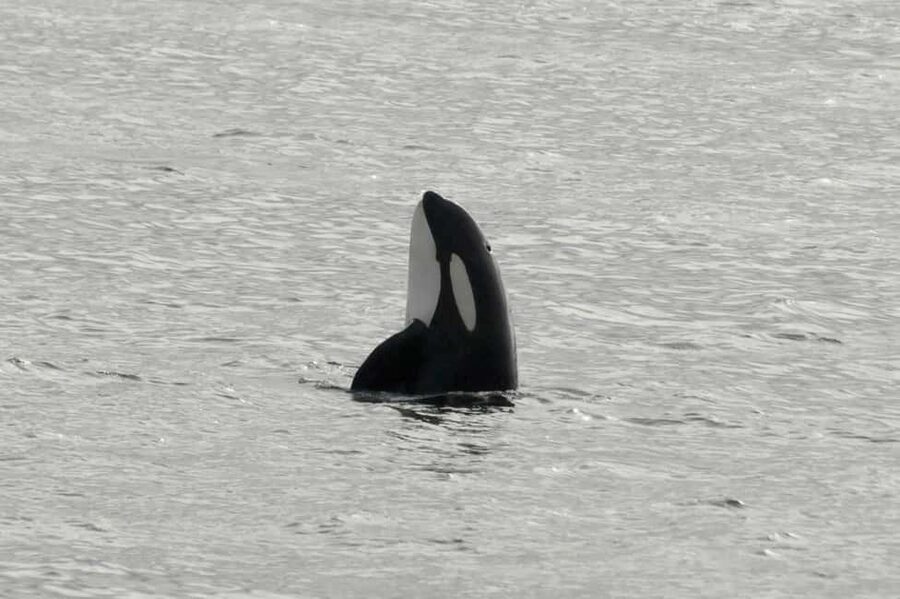
Once you’re out in open water, the tour shifts from “getting there” to “looking hard.” You’ll spend time searching for whales, orcas, dolphins, and seabirds, with the route influenced by recent sightings and sea conditions. That means your experience won’t be identical to someone else’s trip, and that’s a good thing.
Here’s what this approach does for you:
- It keeps your chances realistic. Whales move, and guides adjust rather than hoping.
- It turns the trip into more than sightseeing. The commentary helps you interpret signs, like where birds are feeding or what whale activity looks like from a distance.
The ride includes a heated indoor cabin for comfort, plus an outdoor wildlife viewing deck for the best spotting. In cold or windy conditions, you’ll likely bounce between the two. That’s exactly what the design is for.
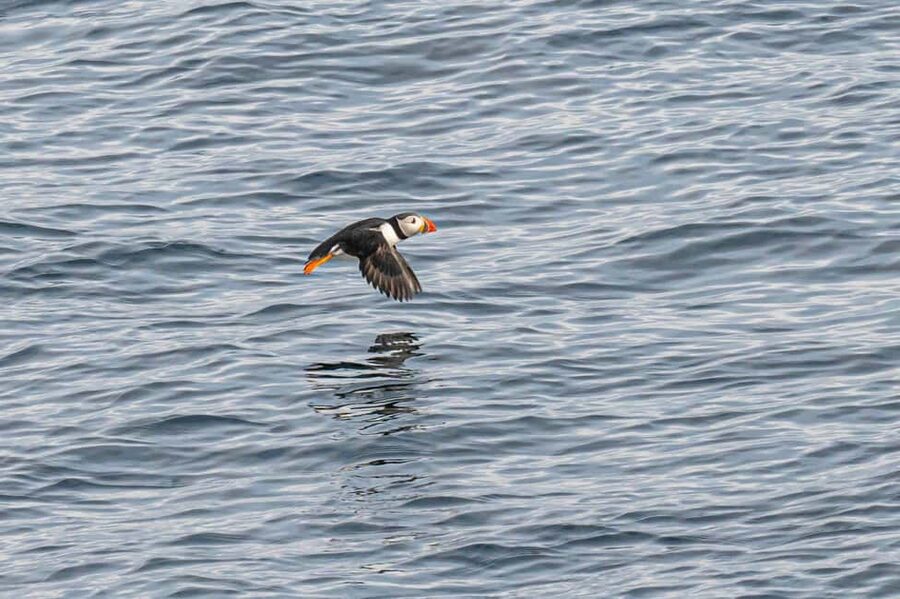
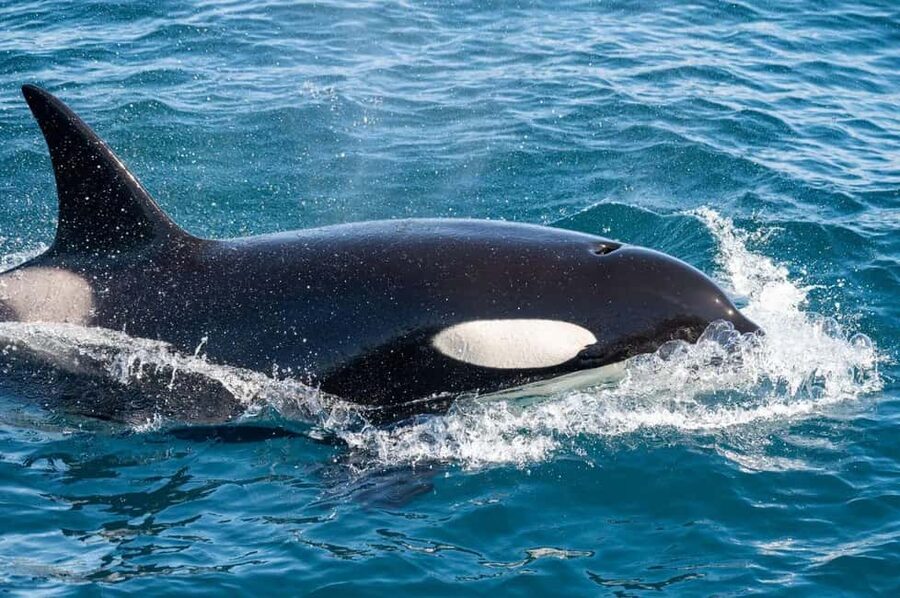
You’re looking for major species such as mighty sperm whales and playful pods of orcas, plus a cast of seabirds. If puffins and sea eagles are around, you’ll have time to watch them from the deck while the crew keeps scanning.
The onboard meal: more than a nice touch
You get a light meal served onboard in the heated cabin: hot soup, fresh bread, tea or coffee, and biscuits. It’s simple, but it matters. On a whale watch, you can spend long stretches standing outside, then suddenly realize you’ve gone numb.
This meal breaks up the tour in a smart way. It gives you a warm reset without dragging you away from the action. You stay close to the deck and can head back out to watch as the ocean search continues.
A review note also hinted at the soup type being a little hit-or-miss, but the bigger point is that the warmth is there when you need it.
Responsible viewing in real life (what it means on this boat)
Responsible whale watching isn’t just a slogan. On this tour, it shows up in the rules and the way the crew runs the search.
You’re told not to touch marine life, and drones are not allowed. You also won’t find any “get close at any cost” behavior here. The focus stays on observing wildlife in the Arctic environment without turning the animals into a prop.
That rule set is part of why you’re likely to enjoy the experience more. When the emphasis is on viewing and safety, you can watch longer and stay calm when conditions aren’t perfect.
Weather reality: the Arctic doesn’t care about your plans
This is a weather-dependent tour. That’s not a deal-breaker—it’s the Arctic. Trips may be canceled or rescheduled for safety on short notice, and the time at sea can vary depending on whale location and sea conditions.
So you should go in with a mindset like this:
- Expect to dress for cold, wet, and wind.
- Don’t plan a tight connection right after your tour.
- Treat the day as “sightings first, everything else second.”
If you’re prone to seasickness, the tour strongly recommends preventive medication before departure. And there’s a clear limitation: people prone to seasickness are not suitable for this experience.
If you’re coming with kids, the family-friendly element helps, but note the age limits too: babies under 1 year aren’t accepted.
What to bring (this is where you win the comfort game)
The boat may have warmth inside, but your time outside matters. Pack like you’re expecting Arctic spray and wind.
Bring:
- Warm clothing and thermal layers
- A hat, gloves, and rain gear
- Waterproof shoes
- Binoculars if you have them
- A small motion-sickness plan if you need one
Also, keep in mind what’s not allowed: oversize luggage, smoking, drones, intoxication, and alcohol or drugs. The no-drones rule is especially important if you’re a photographer who planned to fly one.
One more small tip: waterproof footwear helps not just your feet, but your confidence. When you feel steady on deck, you’ll enjoy watching more and you’ll be less tempted to move inside every five minutes.
Price and value: is $183 worth it?
At about $183 per person for a roughly 4-hour tour, this isn’t a bargain-basement activity. You’re paying for three things you can’t fake:
- The expertise of marine biologists and local professionals
- The boat infrastructure (heated cabin + outdoor viewing)
- The operational risk of running in Arctic conditions
Then there’s the Whale Pass idea: if no whales or dolphins are seen during your tour, you can rebook free (subject to availability). That matters because it reduces the biggest worry with wildlife watching: paying for a day that ends up being “quiet.”
The tour’s overall rating sits around 4.1/5 based on 86 reviews, which suggests good consistency. Not every day will be a blockbuster sighting day, but the tour structure is built to keep the experience meaningful even when the ocean is slow.
Who this tour suits best (and who should skip it)
This is a great fit if you:
- Want an Arctic wildlife experience with guidance, not just a boat ride
- Care about responsible viewing and animal behavior education
- Plan to bring warm layers and want real comfort at sea
- Like photography and want deck time for spotting and framing
It’s less ideal if you:
- Are pregnant (not suitable)
- Have mobility impairments (not suitable)
- Are strongly prone to seasickness (not suitable)
- Have a baby under 1 year
Also, language matters. English is the live tour guide language, and one review pointed out that the guide spoke quickly. If you’re a low-intermediate English speaker, you may miss some details. You’ll still see plenty, but you won’t catch everything.
The decision: should you book this whale watching safari?
I’d book it if you’re in Andenes for at least a full day and you want the most structured whale-watching experience available there. The combination of heated comfort, onboard meal, marine experts, and the Whale Pass rebooking turns this into a practical bet rather than a pure gamble.
I’d hesitate if:
- You know you get seasick even with prevention
- Your schedule is too tight to absorb a weather delay
- You’re relying on precise spoken explanations in English to enjoy the experience (and you’ll be frustrated by fast commentary)
If your main goal is the classic Arctic moment—whales surfacing near the boat—this tour gives you the best shot with the least hassle. Dress warm, bring binoculars if you can, and give the crew a day where you’re ready to adjust with the sea.
FAQ
How long is the whale watching tour?
The tour runs about 3–5 hours, typically around 4 hours.
Where do I meet the tour?
Meet at the black reception container beside the large red harbor buildings at Andenes Harbor, near Østre Havn.
What’s included onboard?
Included are the whale-watching tour, safety equipment and life vests, experienced local crew and marine biologists, hot soup with warm drinks (tea, coffee) and biscuits, plus a heated indoor seating area and an outdoor viewing deck.
What wildlife might I see?
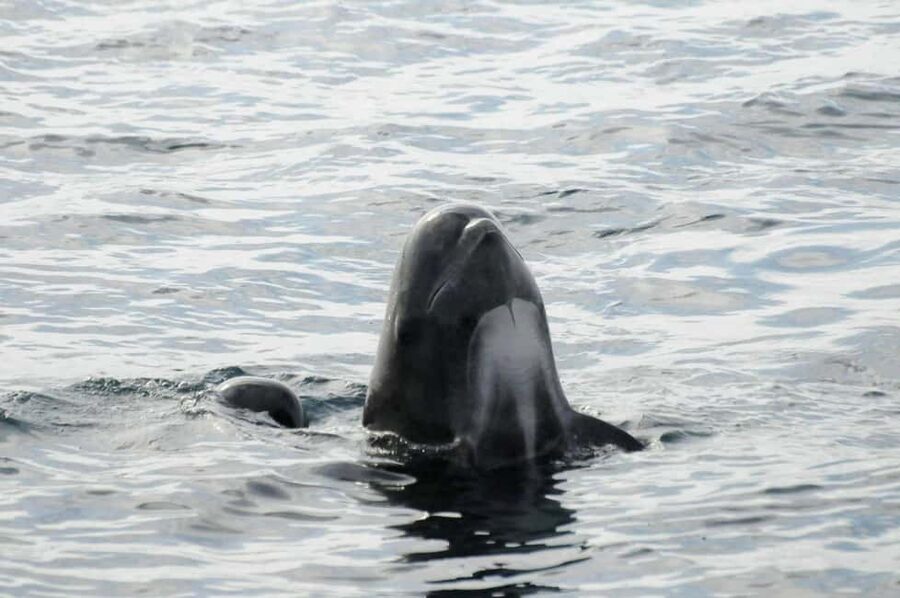
You’re searching for whales such as sperm whales, plus orcas and dolphins, along with seabirds like puffins and sea eagles (depending on conditions).
Is there a rebooking option if no whales are seen?
Yes. Whale Pass allows free rebooking if no whales or dolphins are seen, subject to availability.
Is the tour guided in English?
Yes. There is a live tour guide in English.
What should I bring?
Bring warm clothing, a hat, rain gear, gloves, binoculars, waterproof shoes, and thermal clothing. If you get motion sickness, take preventive medication as advised.
What’s not allowed during the tour?
No oversize luggage, smoking, drones, touching marine life, or intoxication. Alcohol and drugs are also not allowed.
Who shouldn’t take this tour?
It’s listed as not suitable for pregnant women, people with mobility impairments, people prone to seasickness, and babies under 1 year.