REVIEW · HERAKLION
Heraklion: Sunset Sailing Cruise Dia Island with Snorkeling
Book on GetYourGuide →Operated by Sailing Crete · Bookable on GetYourGuide
Dia Island at sunset feels quietly special. I love the crystal-clear snorkeling and the professional crew who keep things safe and relaxed, even when the wind isn’t strong enough for ideal sailing. One thing to consider: on busier-water days, you might share the cove with other boats, and that can affect the calm.
This trip is built for “less shore time, more sea time.” You’ll lounge on deck, use the paddleboard, and enjoy included drinks and a Greek meal on full-day options, often followed by a traditional digestive like raki as you sail toward another swim spot.
In This Review
- Quick highlights worth aiming for
- Why Dia Island makes this cruise feel different from typical “sunset sails”
- The boat setup: catamaran comfort without the giant-party feel
- Getting from Heraklion: quick, easy transport to the port
- The one-hour sailing hop: when the coast is still the show
- Dia Island stop: snorkeling, marine life, and “walk into the water” vibes
- Paddleboarding: a fun add-on when the water cooperates
- Food and drinks: what’s actually included (and why it feels like value)
- After dinner: the raki moment and the second swim bay plan
- Sunset return to Heraklion: the real finale (even on less-than-perfect wind days)
- The crew: what makes this trip feel smooth and human
- Price and value: is $82 a smart deal for Crete?
- A couple of real-world considerations before you book
- Who should book the Dia sunset sailing cruise?
- Should you book this cruise from Heraklion?
- FAQ
- How long is the cruise to Dia Island from Heraklion?
- Is snorkeling equipment included?
- Are food and drinks included?
- Is hotel pickup available?
- What should I bring for the trip?
- What if the weather is bad?
Quick highlights worth aiming for
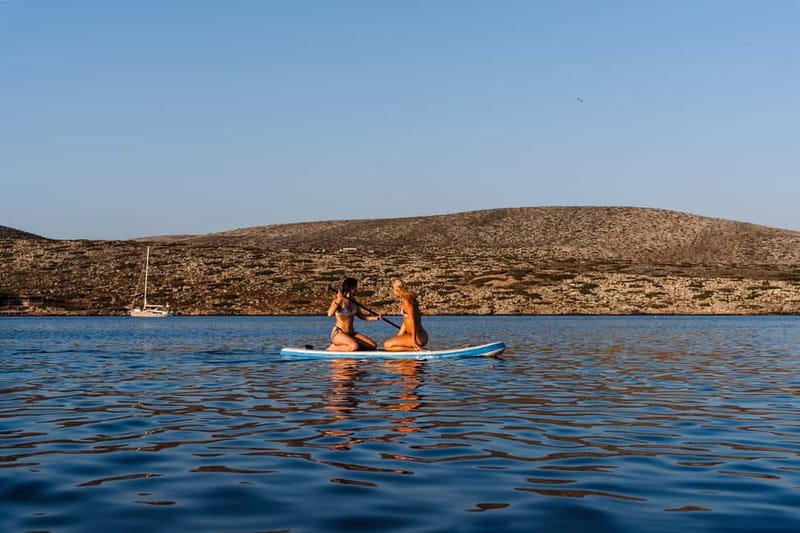
- Uninhabited Dia Island time: quiet water, beachy coves, and a real break from Heraklion’s bustle
- Snorkeling setup included: gear provided, plus guidance on where to look for marine life
- Small catamaran size (10–18 people): lively, but it usually doesn’t feel crowded
- Food and drinks on board: Greek salad, tzatziki, and pasta on full-day cruises, plus fruits and raki later
- Wind-and-sunset focus: the return sail is often the best payoff, even if conditions change
Why Dia Island makes this cruise feel different from typical “sunset sails”
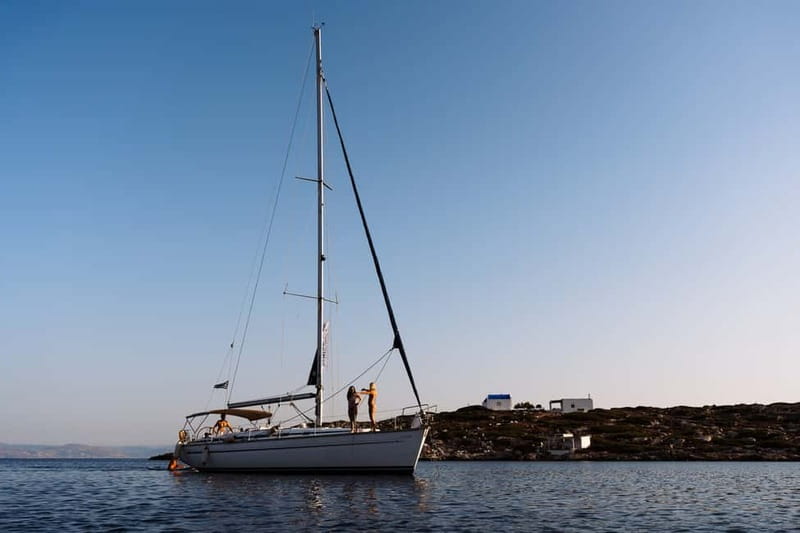
Most sunset cruises in Crete are mostly about views from the boat. This one also gives you time where the sea is the main event. Dia Island is a natural place with no permanent residents, so you’re not just passing by a landmark—you’re spending real hours swimming, snorkeling, and lounging in a calmer setting.
What I like is the balance: it’s not a rushed “jump in for 10 minutes” stop. You get multiple chunks of water time—first around Dia, then again after dinner (on the full-day plan). That matters, because snorkeling and swimming feel way better when you’re not racing the clock.
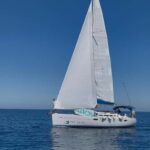
There’s also a practical sailing detail that you’ll feel on board: the crew works with the wind when they can. Some days you’ll get the magic of proper sailing. Other days wind can be weaker, but the day still works because the itinerary still prioritizes swimming, food, and sunset on the way back.
You can also read our reviews of more boat tours in Heraklion
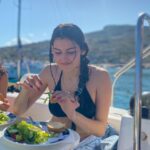
The boat setup: catamaran comfort without the giant-party feel
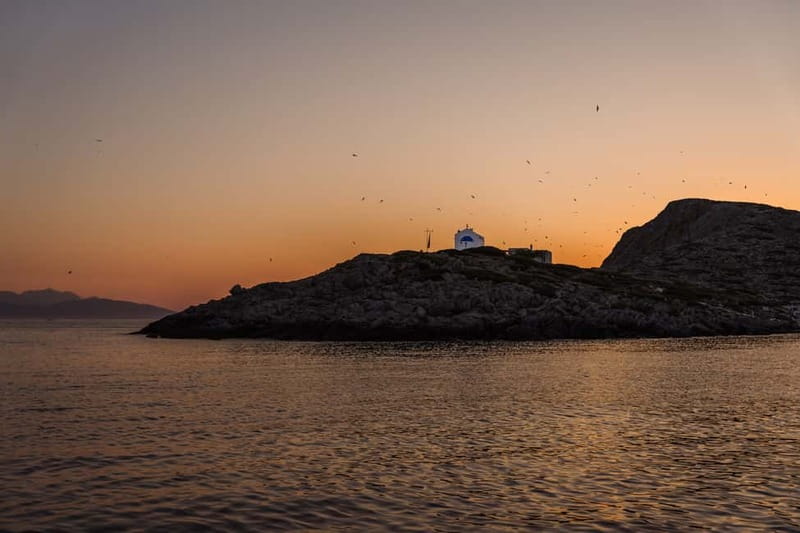
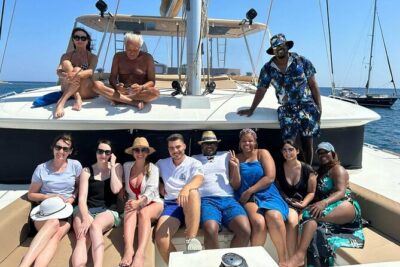
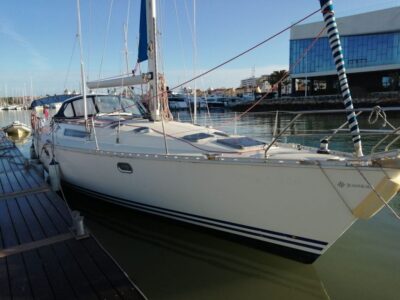
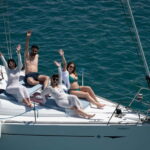
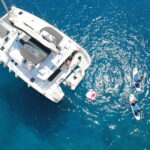
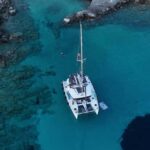
You’re traveling on a catamaran with a limited group size—typically 10 to 18 people. That sweet spot is one of the big reasons this trip earns strong scores. You get enough people for a fun onboard vibe, but not so many that the deck turns into a sea of elbows.
The boat itself is described as spacious and comfortable, and you’ll have good sightlines for the coast as you sail out from Heraklion. On the move, deck time is easy: you can sit up front, watch the water, or settle somewhere shaded when the sun climbs.
This is also a safety-forward trip. Lifejackets and insurance are included, and the crew runs safety instruction before you’re fully on your own in the water. If you’re not a confident swimmer, that safety orientation is especially useful because the team is paying attention to who’s comfortable and who needs extra help.
Getting from Heraklion: quick, easy transport to the port
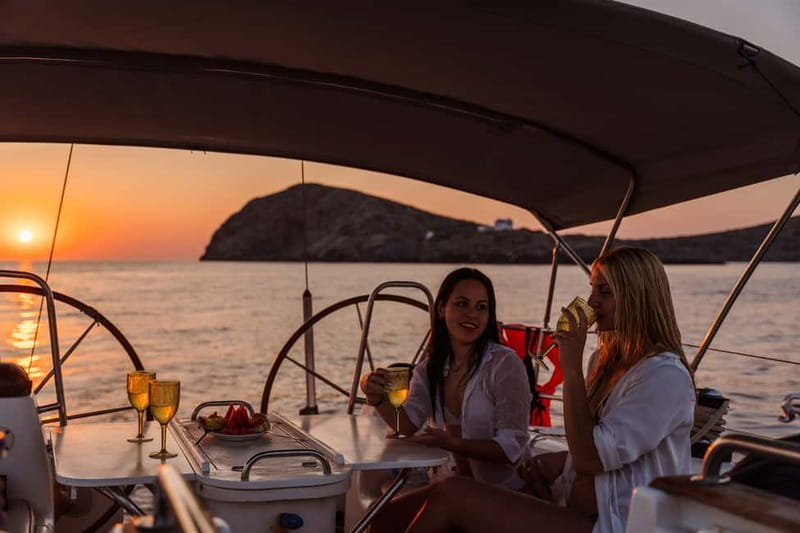
The start is in Heraklion, departing from the port area. If you choose pickup, it’s handled by mini van or mini bus, with drop-off options across multiple areas in Heraklion (Ligaria, Analipsi, Kokkini Hani, Stalida, Karteros, Malia, Gouves, Anissaras, Fodele, Ammoudara Beach, Hersonissos, plus others depending on the route).
Timing matters here. You’re asked to arrive 20 minutes early at the meeting point so you’re not stressed when the boarding window closes. The meeting point guidance points you toward Cafe Marina Heraklion on Google Maps—worth using so you can park, find the right spot, and get to the harbor calmly.
The one-hour sailing hop: when the coast is still the show
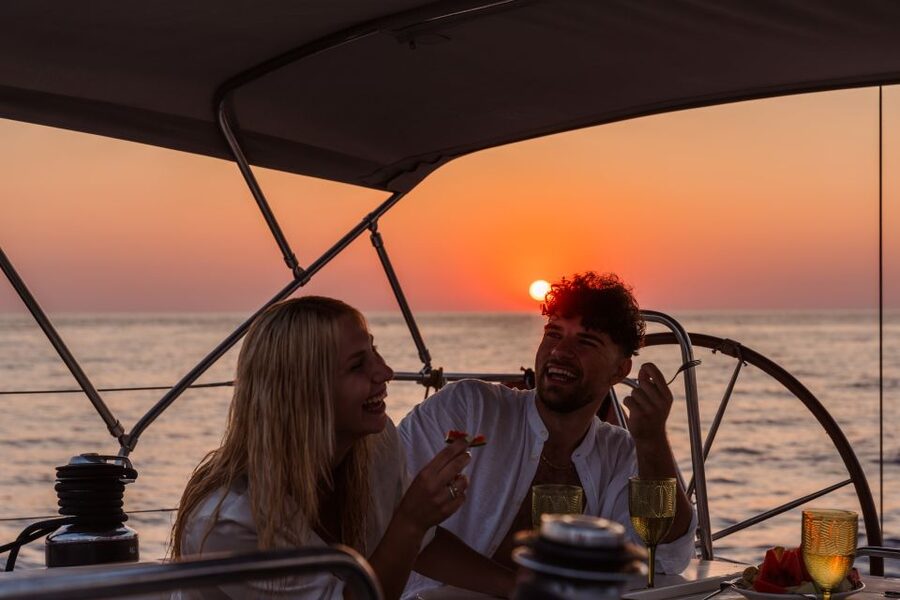
After departure, you sail for about an hour toward Dia. This stretch is short enough to keep it feeling like a proper outing, not a half-day transfer, and long enough to settle into vacation mode.
Even if you’re mostly there for snorkeling, I recommend treating this hour like your warm-up. You’ll start seeing the kind of clearer water that Dia is known for, and you’ll get a feel for how the crew runs the boat. Some teams also use this time to answer questions about Crete, so it’s a good moment to ask what the best snorkel area might be and how the day’s water conditions look.
Dia Island stop: snorkeling, marine life, and “walk into the water” vibes
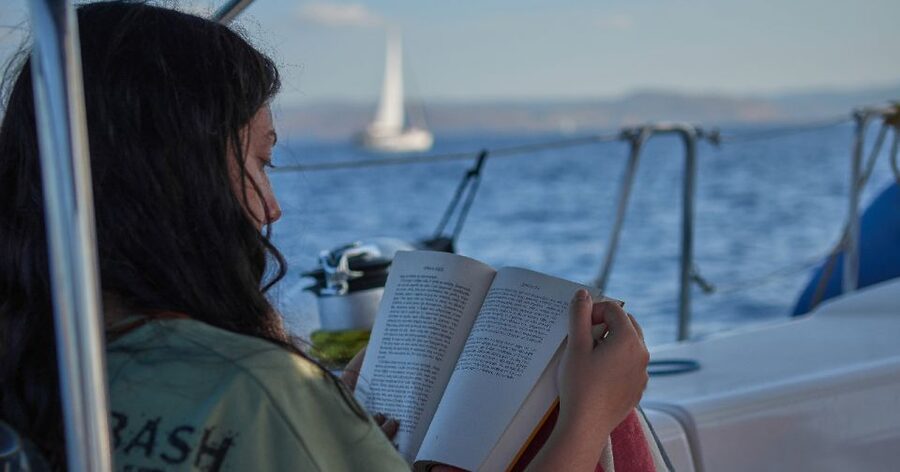
Once you arrive at Dia, the day pivots. You’ll typically get a photo stop and then a block of free time for swimming and snorkeling. The sea conditions are the star here—people repeatedly highlight the clarity and the way the water lets you spot marine life.
Snorkeling can be more than surface-floating. One practical tip from past experiences: some of the best viewing is a bit farther out, including areas near old underwater remains tied to a Minoan port. You don’t need to be a marine biologist, but you do want to follow the guidance of the crew about where it’s safest and where visibility is best.
If you want to make the most of snorkeling time, do this:
- Get your bearings quickly when you first enter the water.
- Move at a calm pace so you don’t scare everything away.
- Ask the crew where they’ve been seeing the most activity that day (they know what conditions look like from the boat).
Also note the pace is friendly. This isn’t a “line up and go” group. You can float, swim, switch spots, and take breaks on deck.
You can also read our reviews of more evening experiences in Heraklion
Paddleboarding: a fun add-on when the water cooperates
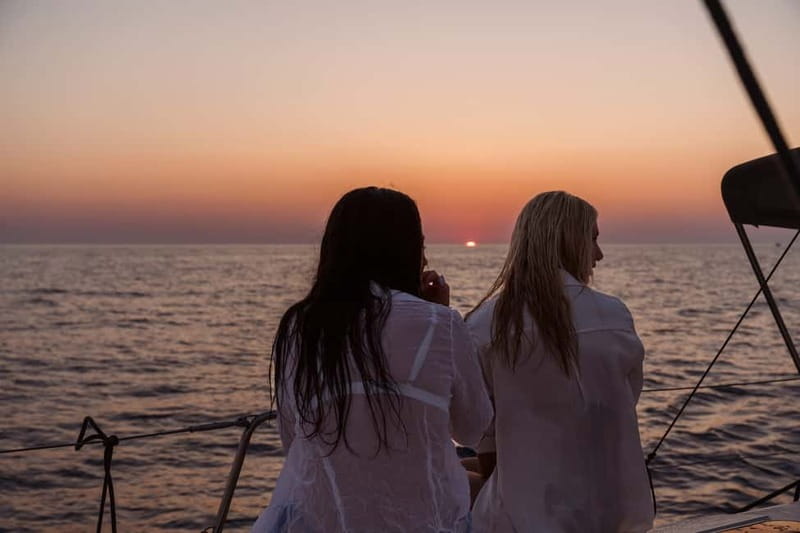
There’s a stand-up paddleboard available, and this is one of the better surprises on the trip because it gives you another way to enjoy the area besides snorkeling. If you paddle a short distance from the anchored spot, you get a different perspective on the coast and sea floor—without committing to long swims.
The key is conditions. If the water is smooth, paddleboarding feels easy and relaxing. If there’s chop, treat it like a bonus activity rather than your main plan. Either way, it’s included, so you’re not paying extra for a “try it if you feel like it” moment.
Food and drinks: what’s actually included (and why it feels like value)
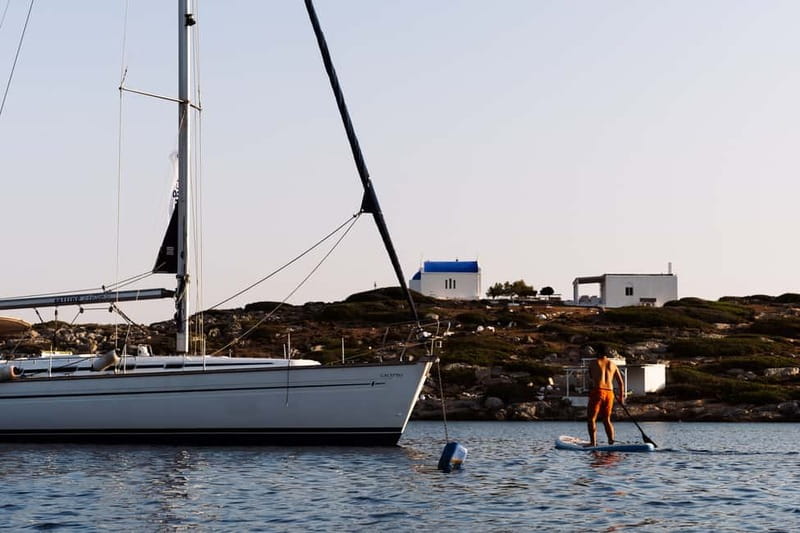
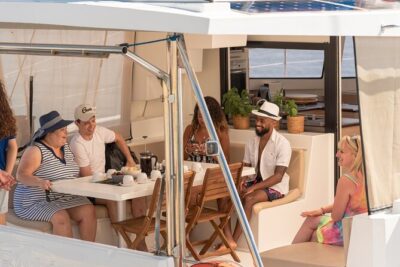
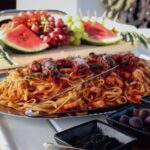
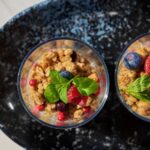
On full-day cruises, you get a proper Greek meal prepared on board. The menu is described as Greek salad and tzatziki, plus pasta with seafood. If you have allergies or a specific diet, the menu can be adjusted—this is a big practical point, because a lot of tours say they’re flexible but don’t actually build adjustments into the day.
Half-day cruisers get pasta with tomato sauce.
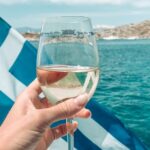
Drinks are included, and wine is mentioned as part of the Dia-area experience. In practice, the onboard setup usually means you can enjoy drinks while you’re lounging on deck, then eat without needing to go back to shore for a meal. That’s where the $82 per person can start to make sense: you’re paying for a full catamaran afternoon/evening with food, drinks, snorkeling gear, and additional equipment like the paddleboard.
One more small detail that matters: dinner happens after the main water time. So you’re not eating first, then waiting around. You swim, snack, snorkel, then settle in for the meal when your energy is right for it.
After dinner: the raki moment and the second swim bay plan
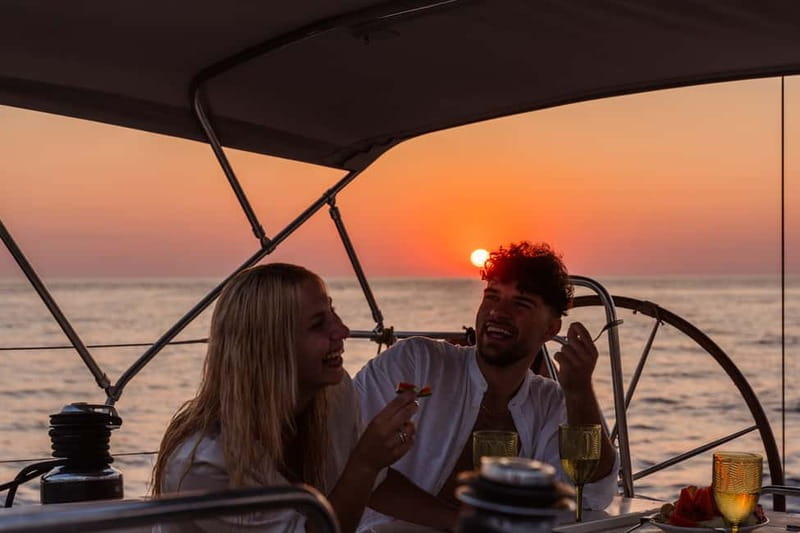
Full-day cruisers usually get a second chapter. After dinner, the boat sets sails to another bay around Dia. If weather and conditions allow it, you’ll change scenery and get more swimming time.
Along the way, you’ll often have fruits and the traditional digestive raki. That part is fun because it feels local and unforced—more “we’re in Crete, on the water” than “here’s a generic tour wrap-up.”
If conditions don’t allow the boat to reach another bay, the plan adapts. You’ll spend more time at the first stop instead. That flexibility is exactly what you want on a sea day. Ocean weather can shift, and you don’t want a tour that punishes you for that.
Sunset return to Heraklion: the real finale (even on less-than-perfect wind days)
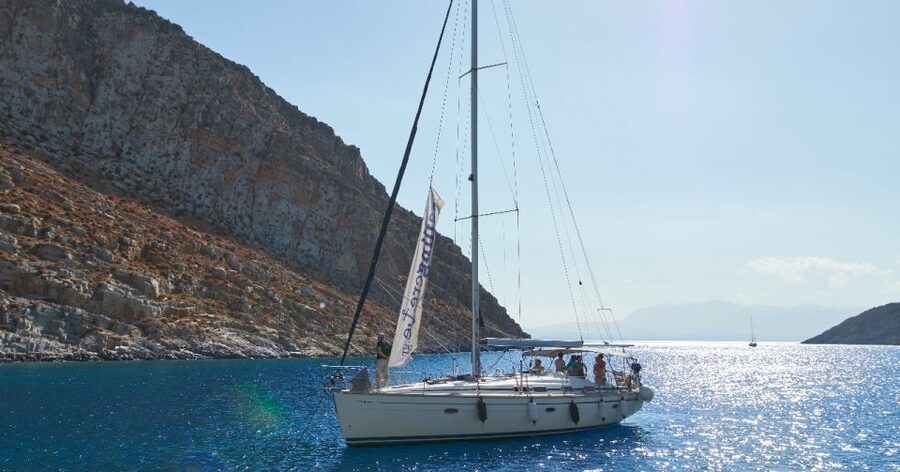
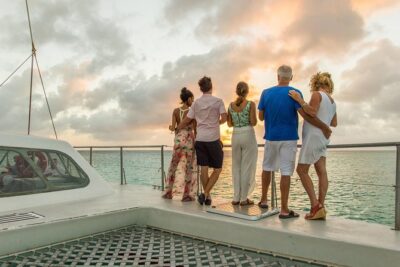
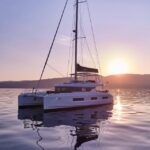
The return is about another hour of cruising back to Heraklion, timed for sunset. This is when the whole experience clicks. Dia’s calm water time is the warm-up; the return sail is the reward.
Even when the wind isn’t strong enough for ideal sailing, the cruise still delivers scenic views and a relaxed onboard pace. People specifically call out the sunset being dreamy and the planning of the crew being spot-on—positioning the boat so you can see the colors as the light changes.
There’s also a practical tip here: get a spot on deck before you settle into conversation. Sunset shifts fast over the water, and you’ll want to be where you can see it without constantly moving.
The crew: what makes this trip feel smooth and human
This experience lives or dies on the onboard team, and the pattern is consistent: captains and assistants are friendly, helpful, and professional.
You might hear names like Manos, Andreas, Ianos, Thanasis, Panagiotis, Stella, Elena, Ernesto, and George. Penelope is also mentioned in connection with meeting guests at the port. The important part isn’t the names—it’s the behavior: safety talk first, then real guidance in the water, plus answering questions about the island and the best snorkeling spots.
One especially reassuring detail from firsthand accounts: if someone in the group isn’t comfortable, the crew takes it seriously and helps with lifejackets so nobody gets left behind. That kind of attention makes the trip feel safer and more relaxed.
Price and value: is $82 a smart deal for Crete?
At $82 per person for a 4.5 to 7 hour experience, the value comes from the stack of included items.
You’re not just buying a seat on a boat. You’re getting:
- Catamaran cruise out to Dia and back
- Food onboard (full-day or half-day options differ)
- Drinks included
- Snorkeling equipment
- Paddleboard
- Lifejackets, insurance, and safety instruction
- Optional hotel pickup/drop-off
If you’ve ever tried to do Dia snorkeling on your own, the “hidden costs” add up fast: gear, boat time, transport, and then food/drinks. Here, the tour packages that together.
So I’d frame it like this: if you want an easy day where the logistics are handled and the sea time is built in, $82 is fair. If you’re only after a quick photo stop and don’t plan to snorkel or swim, it might feel expensive—because the price is tied to the full water-focused experience.
A couple of real-world considerations before you book
This trip is excellent for many people, but it’s not perfect for every situation.
- Low-wind days happen: the crew may not be able to sail dramatically if conditions are light. You still get a good cruise, but the “sailing magic” depends on wind.
- Cove noise can be unpredictable: anchoring locations can overlap with other boats, and loud music from nearby parties can show up. If you’re extremely sensitive to sound, keep that in mind.
- Not for wheelchair users: the trip isn’t suitable for wheelchair access based on the provided info.
If those points don’t bother you, you’ll probably love this outing.
Who should book the Dia sunset sailing cruise?
This is a great fit if you:
- Want a sunset experience that includes actual swimming and snorkeling, not just views
- Like Greek food and don’t want to plan lunch or dinner after a sea day
- Prefer a small-group vibe (10–18 people) over huge boat crowds
- Travel with friends or family and want a relaxed itinerary with built-in breaks
It might be less ideal if you:
- Need wheelchair-friendly access
- Want total silence and never want to share an anchoring area with other boats
- Don’t plan to use snorkeling equipment or the paddleboard
Should you book this cruise from Heraklion?
I think you should book it if your dream day in Heraklion includes sea time with minimal fuss. The trip’s best advantage is that it combines three things that people often have to choose between: clear-water snorkeling, a proper onboard meal, and a sunset sail back to the city.
If you’re on the fence, choose based on how you want to spend your day:
- Pick the half-day option if you mainly care about one strong snorkeling window and want to keep the rest of your evening free.
- Pick the full-day option if you want that extra dinner segment, raki, and the chance to move to a second bay.
Either way, this is the kind of tour where you’ll feel like you left the shore behind for a while.
FAQ
How long is the cruise to Dia Island from Heraklion?
The duration is 4.5 to 7 hours, depending on the option you select.
Is snorkeling equipment included?
Yes. Snorkeling equipment is included, along with lifejackets and safety instruction.
Are food and drinks included?
Yes. Food and drinks are included. The full-day meal includes Greek salad, tzatziki, and pasta with seafood, while the half-day option includes pasta with tomato sauce.
Is hotel pickup available?
Pickup is optional. If you select it, the pickup is done by mini van or mini bus, and there are multiple drop-off areas around Heraklion.
What should I bring for the trip?
Bring swimwear and a towel.
What if the weather is bad?
The activity may be cancelled due to bad weather. If conditions don’t allow the boat to reach another bay, the plan can adjust so you spend more time at the first stop.