REVIEW · MANTUA
Mantua: Guided sailing from the Park to the Port with the water elevator
Book on GetYourGuide →Operated by MOTONAVI ANDES NEGRINI SOC COOP CROCIERE FLUVIALI E INCOMING MANTOVA · Bookable on GetYourGuide
Mantua looks different from the water. This guided sailing route blends lake cruising with the water elevator effect that helps you cross height changes, all while you float through nature and city history at boat speed. I especially love the way you see Mantua’s architecture from the water, and then get the quieter side of the Mincio Natural Park. One thing to plan for: the live guide is in Italian, with support via English/German information.
You also get an easy, practical start. The boarding jetty is set up for access right in the historic center area, and the staff focus on what’s happening on the water—history, hydraulics, culture, and nature—in clear explanations during the trip.
Finally, the itinerary is short enough to stay friendly and energetic (105 minutes), but it does mean you’ll be on the move the whole time—so if you want a long, slow stop-and-wander visit, this one might feel like it moves fast.
In This Review
- Key highlights you’ll feel on this ride
- Why Mantua’s water route works so well
- Getting aboard at Red Pier B and timing the 105 minutes
- Middle and Lower Lakes: Mantua’s architecture from moving water
- Vallazza and the Mincio Natural Park: nature time without leaving the boat
- The water elevator effect: the navigation basin and Vinciane wind doors
- Crossing the navigation locks (inaugurated in February 2017) twice
- Valdaro Port and the Fissero Tartaro: the White Canal moment
- Price and value: what $21 buys you in real terms
- Language and comfort: how to enjoy it even if you speak little Italian
- Practical tips for your day on the water
- Who should book this sailing trip
- Should you book Mantua: guided sailing with the water elevator?
- FAQ
- Where is the meeting point?
- How long is the tour?
- What language is the live guide?
- Is there any information available in English or German?
- What does the water elevator/navigation basin do?
- Which parts of Mantua’s water system do we see?
- Is the boat wheelchair accessible?
- Can I cancel for a refund?
- What items are not allowed?
Key highlights you’ll feel on this ride
- A 1.50-meter navigation basin “elevator” that uses typical Vinciane wind doors to handle the height change
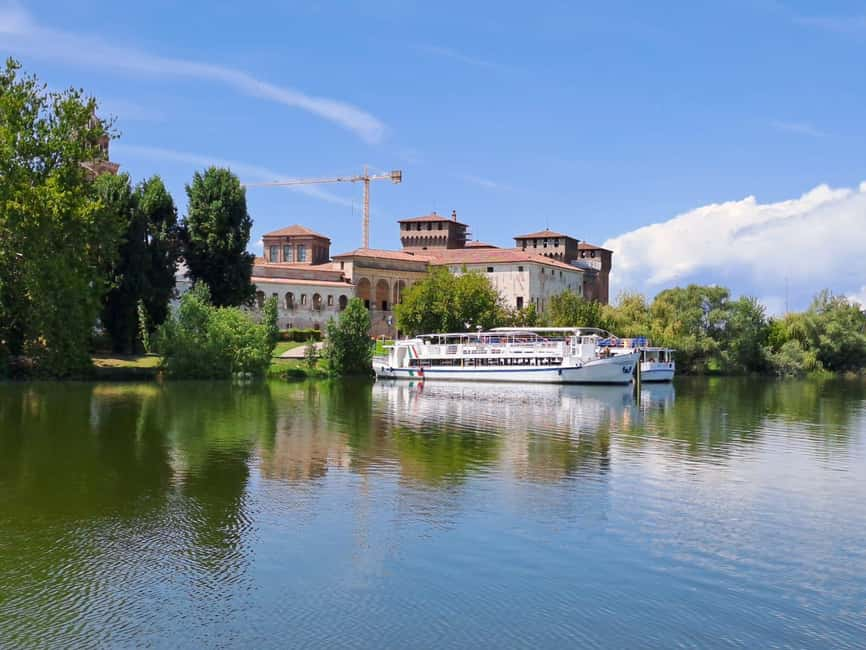
- Cruise the Middle and Lower Lakes for classic Mantua views from the water
- Vallazza in the Mincio Natural Park where flora and fauna share the same protected ecosystem
- Navigation locks inaugurated in February 2017, crossed twice during the route
- Valdaro Commercial Port and the Fissero Tartaro, including the famous White Canal
- A real mix of art, nature, and modern hydraulics, all tied together by water
Why Mantua’s water route works so well
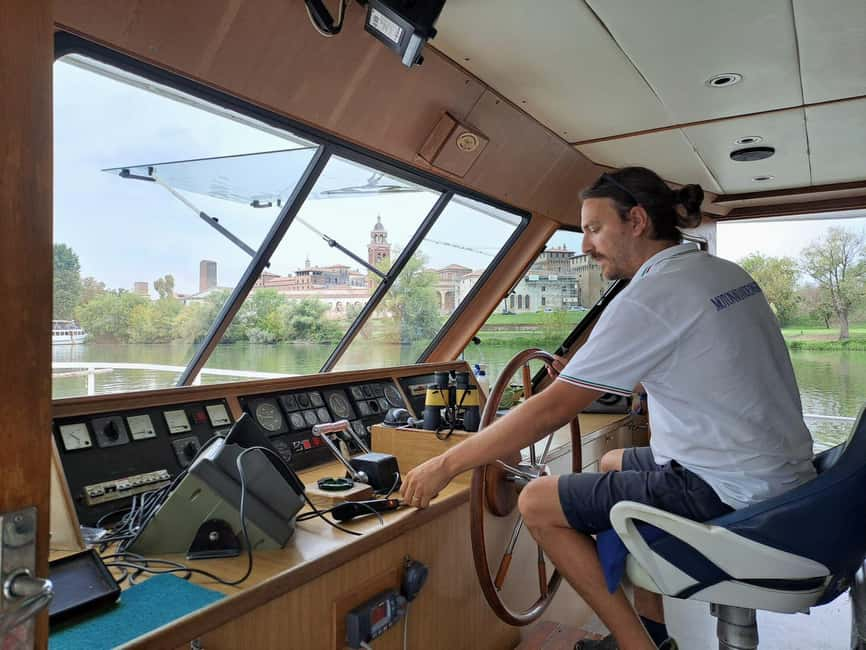
Mantua is a city people often see from streets and piazzas. This experience flips the angle. You get a moving viewpoint that’s made for noticing details you miss on foot: waterfront geometry, shoreline rhythm, and the way buildings relate to water levels. It also helps that the whole theme is consistent. You’re not bouncing between random stops—you’re traveling through one connected system.
What I like most is the balance. The route isn’t only scenic, and it isn’t only technical. You’ll be out on the lakes, then you’ll shift into Vallazza, a natural corner where living plants and animals are part of the story. After that, the itinerary returns to engineering and “how it works,” with the water elevator-style navigation basin and the modern locks.
Getting aboard at Red Pier B and timing the 105 minutes
The meeting point is specific: Red Pier B, operated by Motonavi Andes Negrini, at Viale Mincio, right by the Castle of San Giorgio area. That’s useful because it anchors you near one of Mantua’s most recognizable landmarks. You can plan your day around it instead of hunting for a random departure dock.
The tour runs 105 minutes, and the activity notes starting times depend on availability. That matters because a shorter guided trip can fit nicely between museum time and dinner, and you don’t need a whole afternoon commitment.
You’ll also appreciate that the experience is listed as wheelchair accessible. If you’re traveling with mobility needs, this is the kind of activity where you don’t have to fight uneven sidewalks just to reach a view.
Middle and Lower Lakes: Mantua’s architecture from moving water
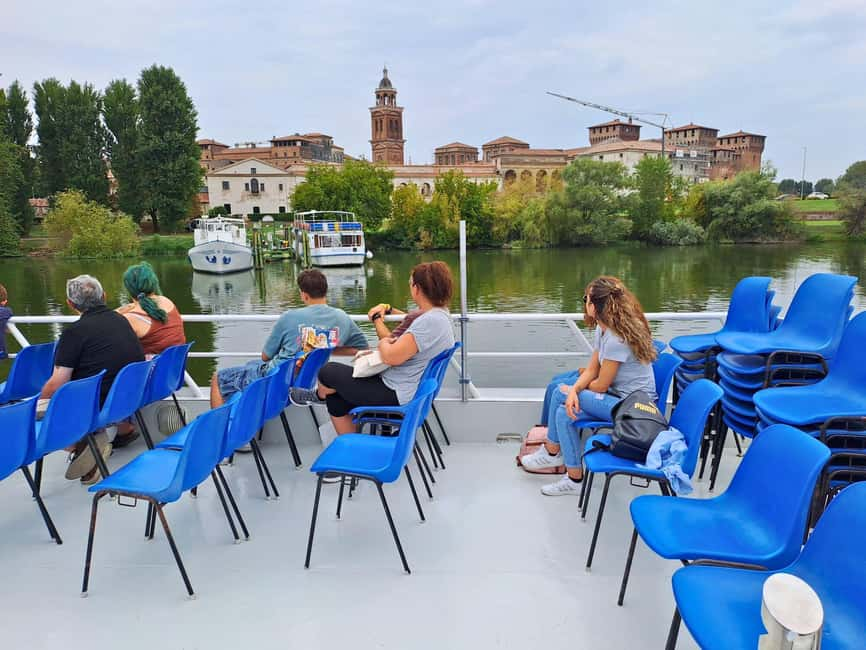
Your route begins with a cruise on the Middle and Lower Lakes. This is the part that gives Mantua that classic “city on the water” feeling, with the chance to admire the skyline and waterfront scenery in motion. I like this sequence because it sets expectations fast. In the first part of the trip, you’re in a smooth cruising rhythm—no tricky transitions yet.
You also learn to read what you’re seeing. The staff explain cultural context as you pass the city’s iconic architectural backdrop, and the water acts like a steady frame. Even if you’ve seen pictures of Mantua, the real value here is how the light and distance change while the boat moves.
A practical note: bring sunglasses and plan for sun if the weather cooperates, but also expect that a lake breeze can cool you off. Nothing complicated—just think “out on open water,” even if you’re not far from the center.
Vallazza and the Mincio Natural Park: nature time without leaving the boat
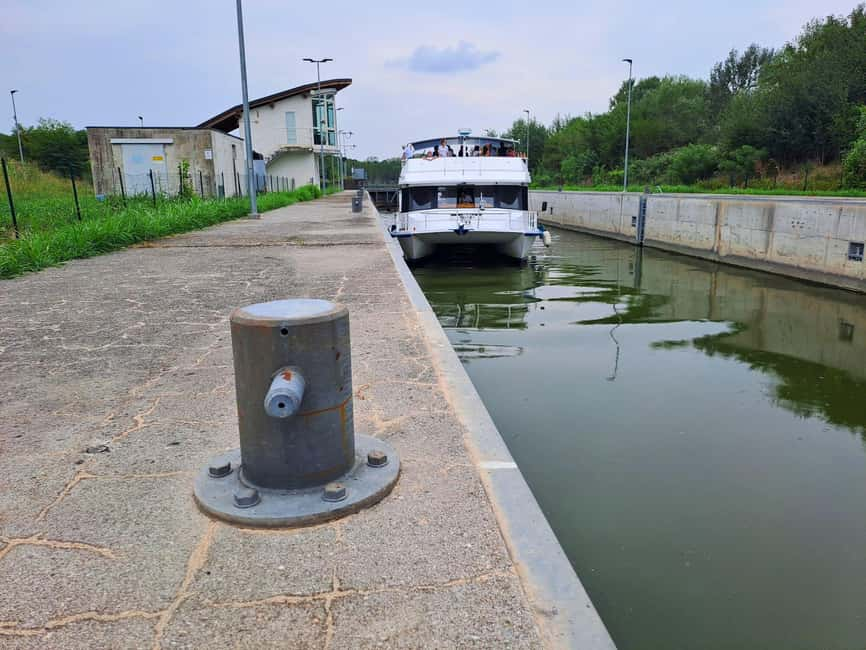
Then comes Vallazza, described as a natural paradise and part of the Mincio Natural Park. This is where the trip stops being only about skyline views and becomes about ecosystems. The experience is built around the idea that Vallazza is where flora and fauna interact in a protected environment—so the scenery feels alive in a different way.
If you’re the kind of traveler who enjoys spotting birds, noticing plant variety, or simply relaxing with quieter surroundings, this portion is the payoff. The boat keeps you comfortable, but the setting changes: you’re no longer surrounded only by buildings and waterfront structures. You’re in a reserve where the natural world is the main character.
What I’d watch for is how the guide connects the ecology to the water system. The nature reserve isn’t just scenery; it’s part of why the locks and navigation features matter. That connection is the real value of including Vallazza in the circuit rather than treating it as a quick stop.
The water elevator effect: the navigation basin and Vinciane wind doors
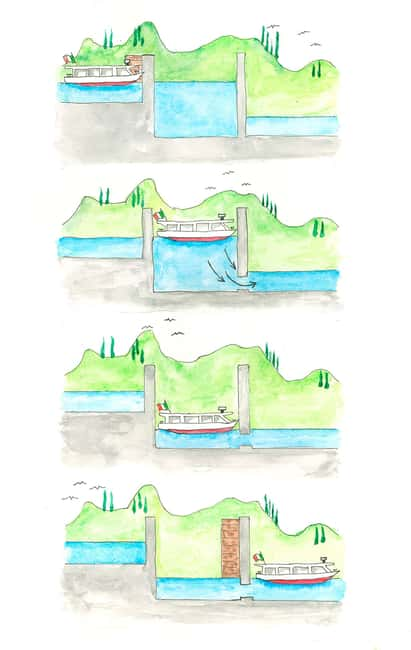
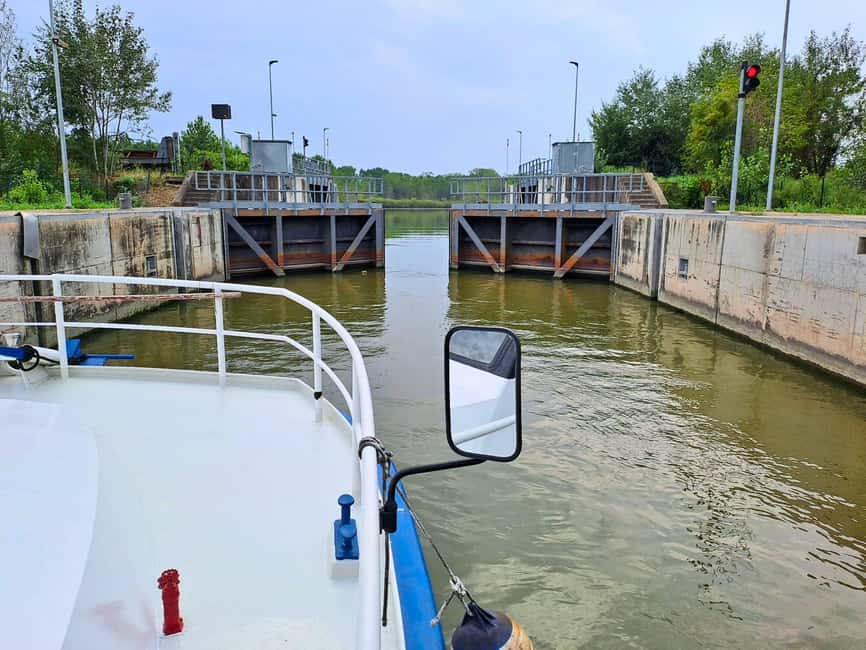
Here’s the standout idea of the whole experience: a navigation basin equipped with typical Vinciane wind doors. This is designed to overcome a difference in height of about 1.50 meters, and the description makes the comparison pretty clear—almost like an elevator that helps transfer you from the reserve area to the commercial port zone.
Why this matters: it’s not just a fun gimmick. It turns what could be confusing logistics into something you can actually see. You watch water levels change and understand why that matters for boat movement. The guide’s focus on hydraulics makes the mechanism feel understandable rather than mysterious.
Also, you’re not dealing with a huge drop or dramatic spectacle; you’re seeing a measured, controlled height adjustment. That makes it easier to follow, and it fits well within a 105-minute outing. You get the “wow” factor without it turning into a whole separate technical lecture.
Crossing the navigation locks (inaugurated in February 2017) twice
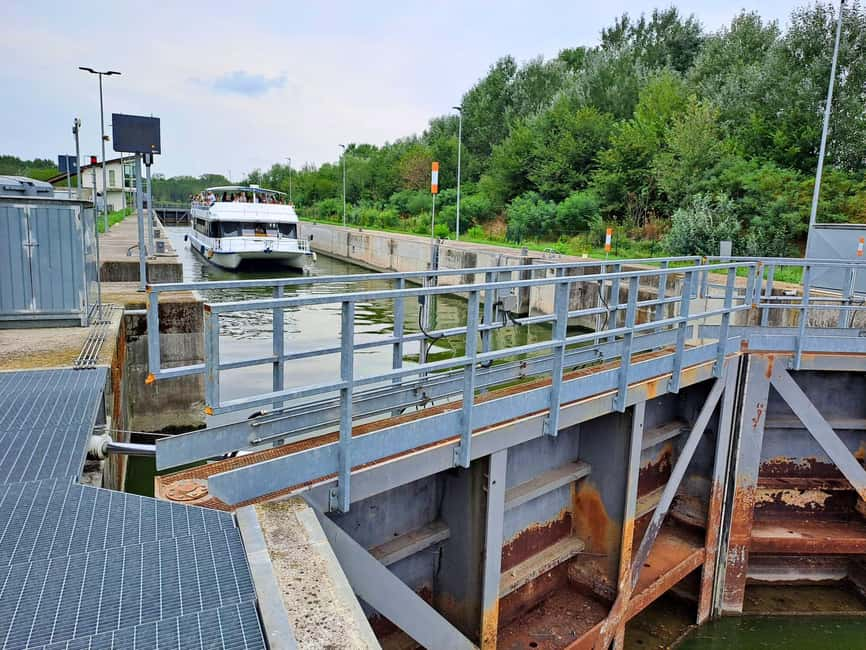
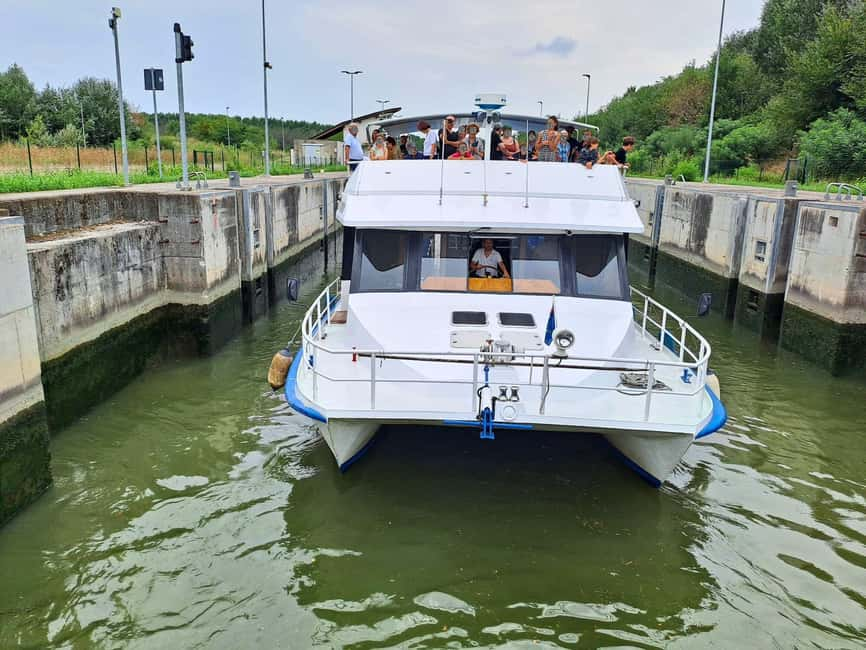
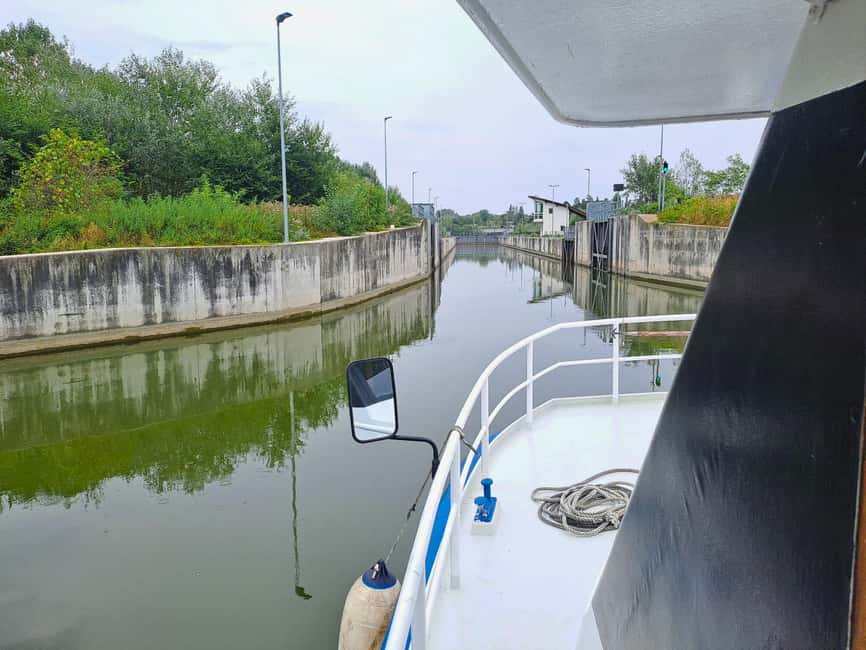
After the water elevator-style basin, you cross the navigation locks inaugurated in February 2017—and you do it twice during the itinerary. Two crossings might sound repetitive, but it actually helps you notice cause and effect.
The first time gives you the baseline: you understand what the lock is doing and how the boat movement works in that setting. The second time often feels clearer because your brain is already synced to the process. Instead of waiting for the explanation to catch up, you start following the flow of events as they happen.
This is also where the trip feels more “modern Mantua” than only “old Mantua.” You’re seeing a functional, current infrastructure feature tied to a much longer human relationship with waterways. The guide connects these mechanics to the broader cultural story of the region, so the experience doesn’t turn into only a ride.
Valdaro Port and the Fissero Tartaro: the White Canal moment
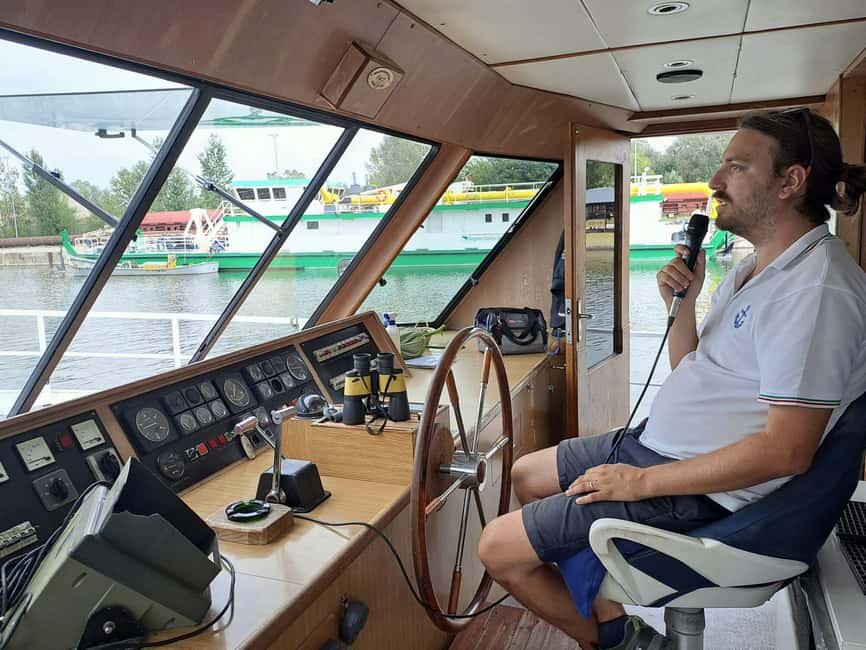
The route then brings you toward the Commercial Port of Valdaro and the famous Fissero Tartaro, described as the White Canal. This section is your reward for traveling beyond the city’s most obvious waterfront views.
What I like about reaching the White Canal area by boat is that it keeps you inside the theme: water as transportation, water as a working system, and water as a cultural symbol. You’re not just visiting a feature—you’re experiencing how it fits into the navigation network.
If you’ve heard people talk about Mantua’s water channels and the visual identity of the canals, this is where it clicks. The views here connect the earlier lake scenery with the engineering parts you’ve already learned to notice.
Price and value: what $21 buys you in real terms
At about $21 per person, this tour is priced like something designed for value and practicality, not a premium private experience. For that price, you get a lot of the big-ticket items you’d otherwise piece together yourself:
- A guided boat pass on Lake Mezzo and Lake Inferiore
- A live Italian-speaking guide with explanations across history, hydraulics, culture, and nature
- A QR code with information in English and German for non-Italian speakers
The best value point is the built-in interpretation. You’re not just paying for a ride. The guide’s topic mix—art, nature, water engineering—turns the route into a coherent story. And because the duration is only 105 minutes, you’re not spending an entire half day trying to find your way through multiple disconnected parts of Mantua.
One caution on value: the experience is short, so it’s not for travelers who want long onshore breaks or deep museum-style time. If you like a focused slice of Mantua with a strong theme, the pricing feels fair.
Language and comfort: how to enjoy it even if you speak little Italian
The live tour guide is Italian. That can be a snag if you expected an English-only narration. The good news is that you have a QR code with information in English and German, which is exactly the kind of support that keeps you from feeling lost.
In practice, I’d treat this as a “learn as you go” experience. Even if you don’t follow every sentence, you can still understand the sequence: lakes, Vallazza, navigation basin, locks, canal area. And the visuals do a lot of work for you because the water system is happening right in front of you.
Also, one detail that’s worth noting: feedback from recent visitors highlights that translation support can feel helpful even on days with language barriers. So if you’re worried about Italian-only narration, don’t automatically rule it out—plan to use the QR info, and you’ll still get a lot from the ride.
Practical tips for your day on the water
This is a boat experience, so keep your choices simple and comfort-first.
- Dress for cooling lake breeze and possible rain. Even if you love museums, you’ll be happier in layers than in heavy cotton.
- Wear shoes you’re comfortable in near docks.
- Bring a phone battery. You’ll likely use the QR code during the trip.
- Follow the rules listed for the activity. Key ones include no smoking, no fishing, and no weapons or sharp objects. Mobility scooters aren’t allowed, and alcohol and drugs aren’t allowed.
Also, don’t plan to treat this like a party setting. The rules explicitly ban alcohol in the vehicle and disallow intoxication, so think “calm guided ride.”
Who should book this sailing trip
This tour fits best if you want:
- A guided, time-efficient way to experience Mantua’s relationship with water
- Scenic views plus actual explanation of hydraulic systems
- A mix of city architecture and a protected natural area like Vallazza
- Something wheelchair accessible that doesn’t require long walking breaks
It’s less ideal if you want a long, independent self-guided itinerary, or if you’d rather spend your limited time in Mantua on museums and churches with extended onshore time.
Should you book Mantua: guided sailing with the water elevator?
I’d book it if you’re curious about how water engineering shapes daily life in a place like Mantua, and if you like the idea of connecting architecture, nature, and technology in one smooth circuit. For roughly $21 and 105 minutes, you’re getting a lot of “see and understand” value: lakes, Vallazza, the navigation basin “elevator” effect, and modern locks crossed twice, ending in the White Canal area.
Skip it if you need a long onshore experience or you’re only interested in one narrow type of sightseeing. Otherwise, this is a smart way to spend a chunk of your Mantua day—especially if you want your city views to move.
FAQ
Where is the meeting point?
You meet at Red Pier B, with Motonavi Andes Negrini, located on Viale Mincio adjacent to the Castle of San Giorgio.
How long is the tour?
The guided sailing circuit lasts 105 minutes.
What language is the live guide?
The live tour guide speaks Italian.
Is there any information available in English or German?
Yes. You get a QR code with information in English and German.
What does the water elevator/navigation basin do?
It’s a navigation basin with typical Vinciane wind doors that helps you overcome a height difference of about 1.50 meters, acting like an elevator between areas of the route.
Which parts of Mantua’s water system do we see?
The route includes sailing on Lake Mezzo and Lake Inferiore, passing through Vallazza, and reaching the area of Valdaro and Fissero Tartaro (the White Canal).
Is the boat wheelchair accessible?
Yes, the activity is listed as wheelchair accessible.
Can I cancel for a refund?
Yes. Free cancellation is available up to 24 hours in advance for a full refund.
What items are not allowed?
Common restrictions include no weapons or sharp objects, mobility scooters, smoking (in the vehicle and indoors), fishing, and alcohol and drugs. Littering is also not allowed.