REVIEW · MILFORD SOUND
Milford Sound: Nature Cruise on a Modern Catamaran
Book on GetYourGuide →Operated by Pure Milford · Bookable on GetYourGuide
Milford Sound looks unreal from the water. This 105-minute catamaran cruise is built for big views, with three levels of indoor and outdoor space and live video so you never feel locked out by weather.
I particularly like the way the boat stays comfortable while still getting you out close—so waterfalls can feel like they’re right beside you. The second big win for me is the pacing: you get history and wildlife talk without it feeling rushed or scripted.
I love the close-up waterfall moments, including chances to feel the spray when the captain positions the boat well. I also love the onboard tech—HD cameras push live outdoor footage to TV screens, which helps when it’s windy or you can’t hear every word outside. On some trips, the skipper may bring extra personality; one guide named Johnno was called out for his wit and storytelling.
The main drawback to plan for is audio: outdoor commentary can be hard to catch when you’re standing on the decks, especially in rain, wind, or at busy viewing spots.
In This Review
- Key Things to Know Before You Go
- A Modern Catamaran That Makes Milford Feel Close
- Waterfall Time: How the Cruise Handles Close Passes
- Wildlife Chances Without the Pressure
- Captain Cook’s Milford Mystery: Why the Story Matters
- Where to Sit and How to Stay Warm (Even When It Rains)
- Getting There from Queenstown or Te Anau, and What It Costs on Arrival
- Accessibility Reality: Stairs, Decks, and Using the Terminal Facilities
- Who This Milford Sound Cruise Suits (and Who Might Prefer Another Option)
- Should You Book Pure Milford’s Milford Sound Nature Cruise?
- FAQ
- How long is the Milford Sound nature cruise?
- Where do I meet for the Pure Milford cruise?
- Is food included on board?
- What should I bring?
- Is the cruise wheelchair accessible?
- Can I cancel and get a full refund?
Key Things to Know Before You Go
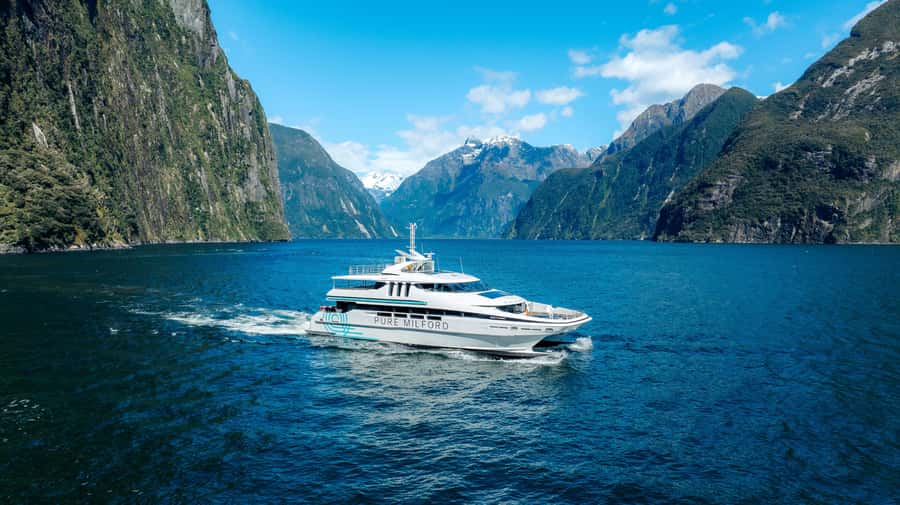
- Three-deck viewing with large windows plus indoor and outdoor spots, so you can rotate as conditions change
- HD camera feed on TV screens shows what’s happening outside even if you can’t face the deck
- Close passes to waterfalls when the captain judges conditions, including opportunities to feel spray
- Wildlife odds: seals, dolphins, and a long-shot look for Fiordland crested penguins
- Weather-friendly timing: rainy conditions can actually improve waterfall intensity
A Modern Catamaran That Makes Milford Feel Close
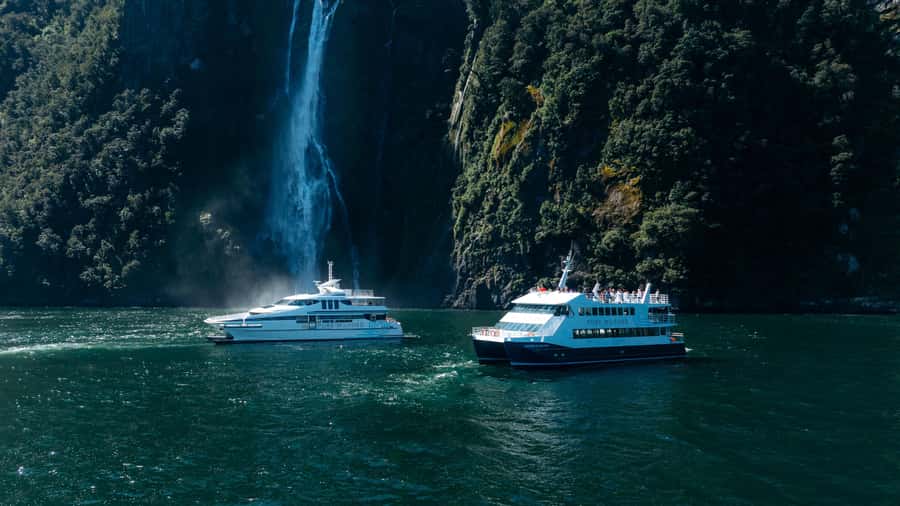
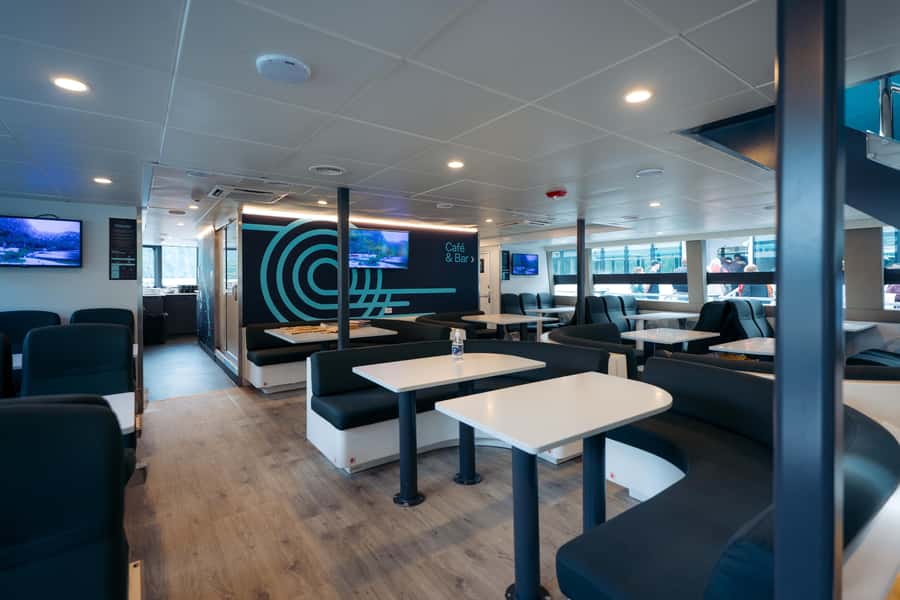
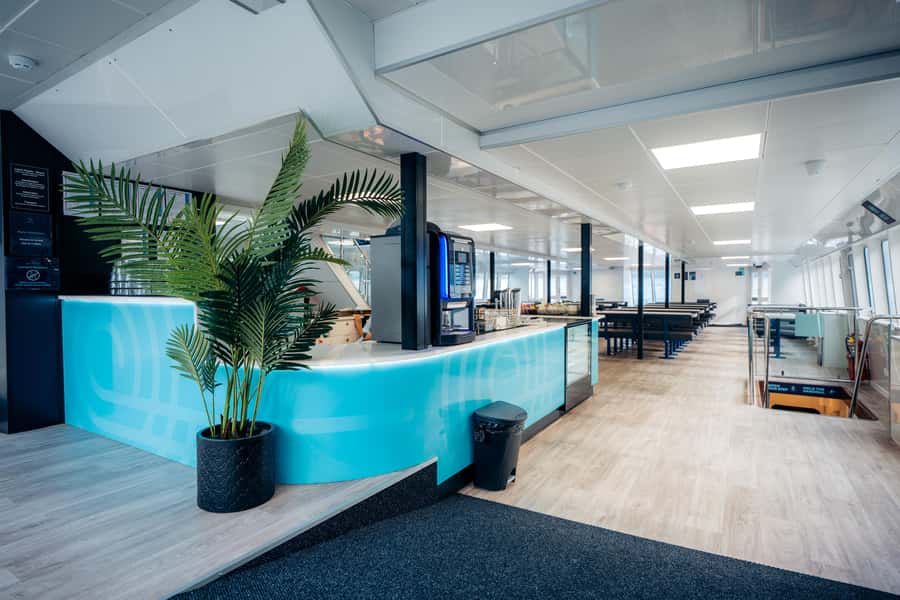
Milford Sound is famous for scale, but scale can be hard on a boat if you’re stuck inside. Here, the vessel is designed for viewing. You’ll have large windows when you want shelter, plus spacious outdoor decks when you want to stand where the air actually smells like the fiord. The layout also helps you spread out, which matters on a cruise where everyone wants the same angle at the same time.
One clever touch is the onboard live video. High-definition cameras project the outdoor view onto TV screens around the boat. That means if the doors are closed due to wind, or you’re simply not positioned where you want to be, you can still track where you are and what you’re passing. It’s also useful when you’re seated inside but still want to “get your bearings fast” and understand the coastline as the boat moves.
Comfort is more than big windows. In colder or wetter conditions, you’ll be glad you can bounce between covered seating and open deck space. Several people mention doing the trip in all-weather and still spending most of the time outside, especially when doors open to the viewing areas. If you’re the type who gets itchy to get out on the deck as soon as the boat leaves the terminal, this setup works.
One more practical note: the cruise is listed as 105 minutes. That’s long enough to feel like you actually saw the fiord, but short enough to keep it low-stress on a road trip. If you’ve driven in from Queenstown or Te Anau, you’re not committing half a day just to get a view.
Waterfall Time: How the Cruise Handles Close Passes
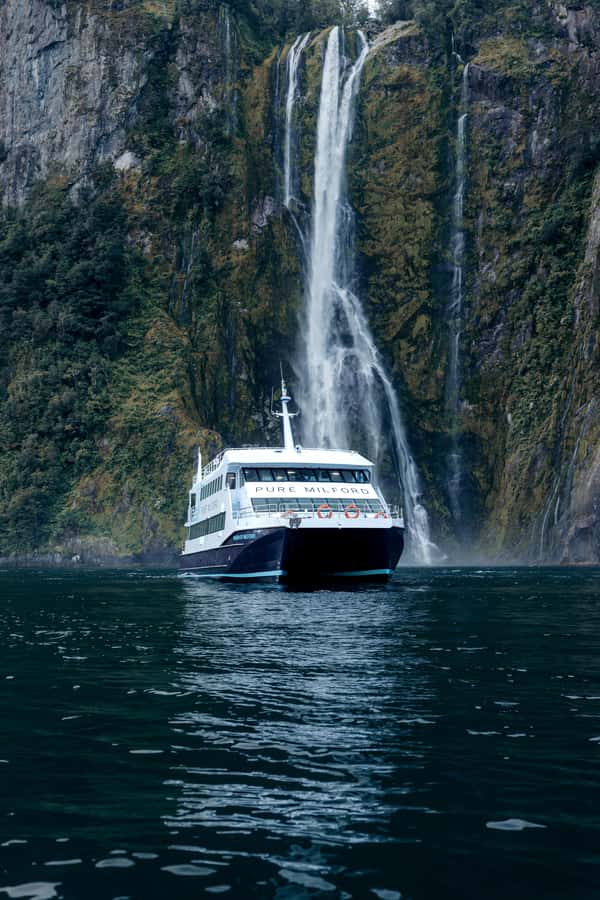
The heart of this experience is simple: you cruise along Milford Sound with a focus on waterfall observation, then (when conditions allow) continue out toward the open Tasman Sea before turning back.
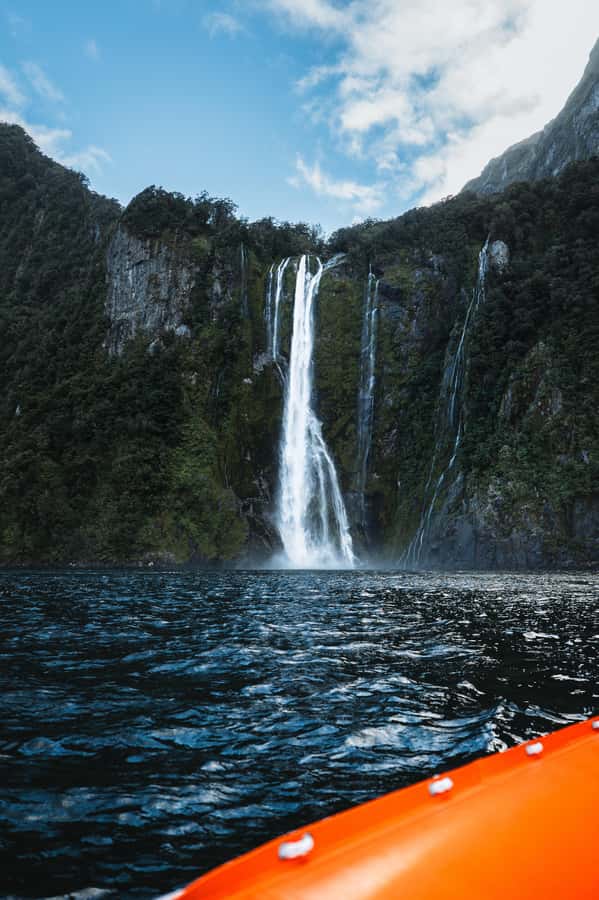
What makes the waterfall segment special is the way the captain works the boat position. You’re not just sightseeing from far away. Multiple firsthand accounts describe getting close enough to feel spray, and enjoying repeated moments where waterfalls aren’t just visible—they’re interactive. On rainy days in particular, the fiord tends to look louder and more dramatic, because there are more active flows. If your schedule allows it, you’ll get the most payoff when Milford is “working.”
There’s also a real benefit to the rhythm of the cruise. You get stretches where you can settle in and watch the scenery unfold, and then you get those short, high-impact positioning moments when the boat edges toward the waterfall. It’s the kind of pacing that keeps the scenery changing rather than turning into one long look in the same direction.
The other major “where are we now?” moment comes when the cruise pushes out beyond the fiord. You’ll travel the length of the fiord and out into the Tasman Sea when the day’s conditions support it. Even if the sea portion is brief, it changes the feeling of the trip. You stop thinking only about cliffs and start seeing the open water edge against the coastline—an instant reminder that this is a fiord carved by nature and connected to the wider ocean.
A small caution: if you’re focused on audio, plan to use the HD screens as backup. People note that the guide can be hard to hear outdoors, but the visuals still keep you informed. So if rain or wind makes the speaking harder, don’t panic. You won’t miss the big picture.
Wildlife Chances Without the Pressure
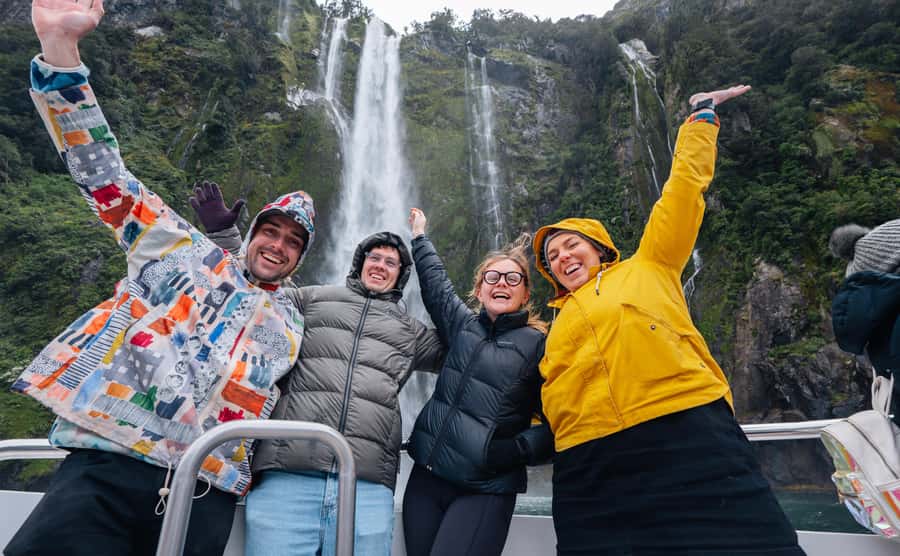
Milford Sound has wildlife that shows up when it wants to. You can’t force dolphins or seals, but the cruise is set up to help you spot them.
You’ll be on the lookout for New Zealand fur seals basking on rocks. That’s often one of the easiest wins because they like to hold their positions while the boat passes. You might also spot dolphins—descriptions of playful encounters show up often enough that this is worth keeping your eyes moving, especially during the earlier portions of the cruise.
There’s also a rarer option: the Fiordland crested penguin. It’s described as rare and elusive, so treat it as a bonus, not a guarantee. What I like about this kind of wildlife approach is that it doesn’t pretend certainty. The cruise gives you the information and the searching time without selling the encounter as guaranteed.
Tip that’s worth your attention: spend time on both sides of the boat and rotate decks. Even when you think you’re found the “best spot,” the angle changes as the captain moves. If you’re the kind of photographer who hates missing the “one second” moment, rotating gives you more chances than staying anchored in one place for the entire route.
Captain Cook’s Milford Mystery: Why the Story Matters
Milford Sound doesn’t just look dramatic. It has a strong story attached to it, and you’ll hear it during the cruise.
The commentary includes how Captain Cook missed Milford Sound even after charting the Fiordland National Park. It’s a neat historical puzzle because it frames Milford as both visible and easy to overlook—depending on conditions, routes, and what explorers expected to find.
This matters for your experience because the scenery becomes easier to read. When you understand how explorers approached the region, you start noticing features that look obvious only after someone points them out. The guide’s storytelling is also part of the comfort of the trip: even if you’re already impressed by the visuals, the history keeps your attention anchored and adds meaning to the places you’re passing.
People often praise the skipper’s narration style—humorous, confident, and engaging. One guide named Johnno was specifically mentioned for wit and admiration for the surroundings. The key for you is to think of narration as a live interpretive layer, not just a set of facts. It makes a cruise feel less like a sightseeing ride and more like understanding what you’re seeing.
Where to Sit and How to Stay Warm (Even When It Rains)
This is a boat day where your body comfort affects your enjoyment. The good news: you have choices.
On a typical cruise, doors and deck access may shift depending on wind and weather. That’s why I’d treat the boat like a basecamp with rotation. Start inside if it’s cold, then check if exterior viewing access opens up. Some people describe starting seated on the lower deck near the front, then moving outside shortly after when conditions improved. If weather permits, it’s worth taking the deck time while you can.
Warmth checklist (you can’t bring everything, but these points are smart):
- Wear warm layers. Cold wind on water is different from cold on land.
- Bring rain gear even if the forecast looks mild. Milford can change fast.
- Comfortable shoes matter because you’ll likely move around.
- Camera and sunscreen are useful because even rainy trips can include bright breaks.
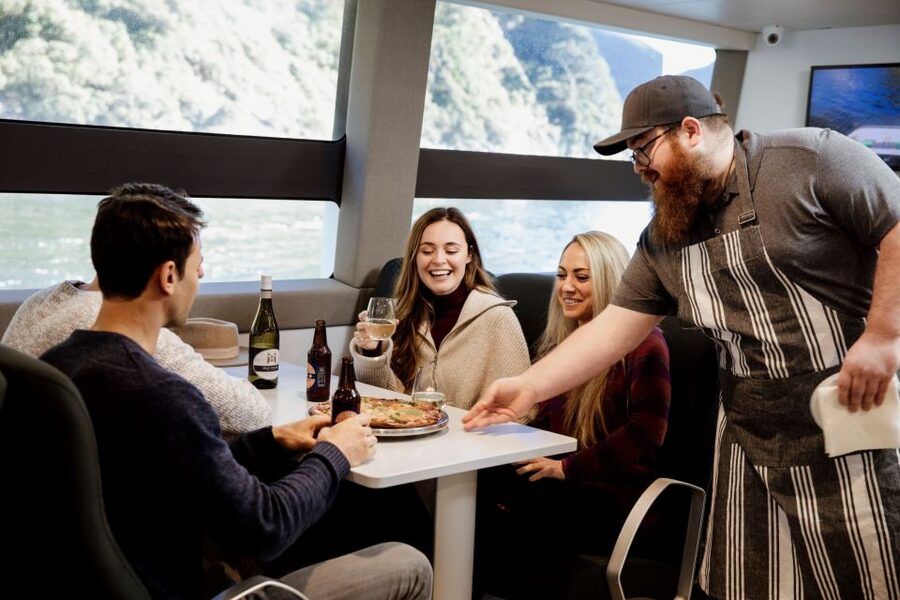
You should also know that the boat’s onboard options are not the main attraction. Food and drinks aren’t listed as included, but free hot beverages are mentioned in accounts—tea, coffee, and even hot chocolate. There’s also a cafe/bar onboard, and it becomes handy when you’re trying to warm up after being on deck in damp weather.
Also: if outdoor audio is muffled on your sailing, don’t stress. Use indoor seating to catch more of the spoken commentary, and rely on the TV screens to track what’s happening outside.
Getting There from Queenstown or Te Anau, and What It Costs on Arrival
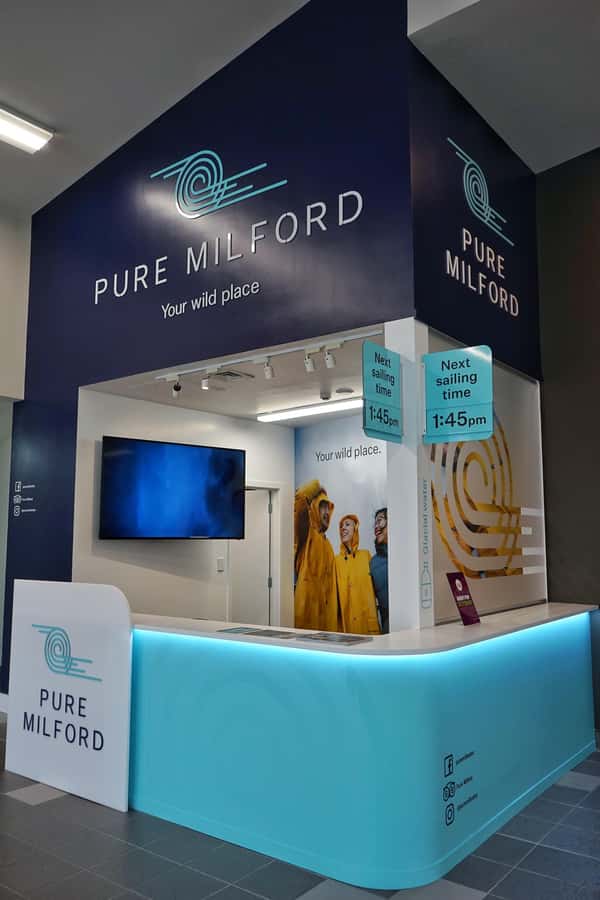
This cruise meets at the Milford Sound Visitor Centre, and you’ll look for Pure Milford. Check in at the Pure Milford counter on the right-hand side as you enter the terminal.
Driving time depends on where you start:
- From Queenstown, plan around 5 hours of driving time.
- From Te Anau, plan around 3 hours.
That long drive is part of the value equation. Milford Sound is not a quick stop. You’re doing a serious scenic journey and then topping it with a cruise that makes the payoff feel complete.
Parking can add a small extra cost—parking fees are listed as NZD 10 per hour and not included. If you’re doing a same-day return (or you’re balancing multiple stops), it helps to plan for that.
One other practical detail: bring cash. It’s explicitly listed, and it can be useful for onboard or on-site purchases like cafe/bar items.
Accessibility Reality: Stairs, Decks, and Using the Terminal Facilities
This cruise is marked wheelchair accessible, but it’s not “same-everywhere.” The key is understanding that different vessels are referenced and that onboard toilet access can involve stairs.
Here’s the practical version you should plan around:
- Disabled parking is available just outside the terminal with ramp access down the wharf.
- On the Gem of the Sound, the bottom deck is explorable for wheelchair users, including accessible toilets and the Cafe/Bar on that deck. There may be a small rear viewing deck too, if it’s not too windy.
- On the Maiden of Milford, access from the wharf may require stepping over a lip or a lift over a step.
- The onboard toilets on the vessel involve a steep flight of stairs, so if you have trouble with stairs, use the terminal accessible facilities before and/or after the cruise.
If you’re booking with accessibility needs, it’s worth contacting the team with your exact questions so you can match your needs to the vessel used on your sailing.
Who This Milford Sound Cruise Suits (and Who Might Prefer Another Option)
This is a strong fit if you want:
- Milford Sound on the water without chaos, since the boat layout supports lots of viewing choices
- A cruise length that fits a road trip pace (105 minutes)
- Wildlife and waterfall focus, with narration that adds context
- All-weather comfort, since you can rotate between indoor windows and outdoor decks
It may feel less ideal if you strongly depend on quiet, distraction-free audio while standing outdoors. Outdoor commentary can be hard to hear when the weather is rough, and you’ll do better if you’re willing to bounce inside when needed.
Families often like it for the mix of scenery, commentary, and deck space. Solo travelers also tend to enjoy it because you’re not locked into one viewpoint, and the HD screens keep you oriented.
Should You Book Pure Milford’s Milford Sound Nature Cruise?
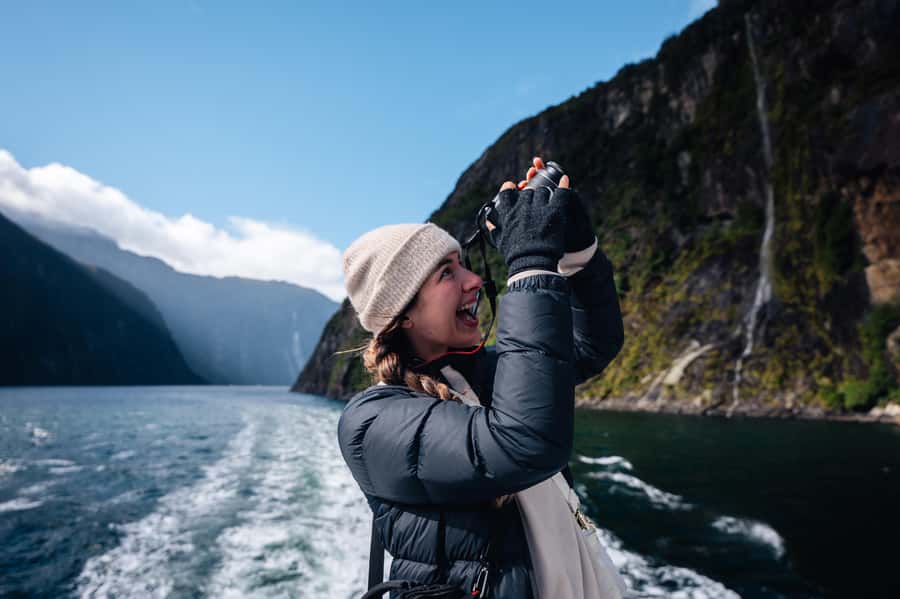
I’d book it if Milford Sound is on your list and you want a modern, comfortable cruise that makes the fiord feel close. The combination of three-deck viewing, HD camera support, and frequent chances to see waterfalls and wildlife gives you a lot of value for a 105-minute experience. The boat also handles weather well in practice—you’re not stuck either outside in misery or inside missing the action.
I’d think twice if you’re extremely sensitive to sound outdoors and you don’t want to move between indoor and outdoor areas. If that’s you, plan to sit inside more often, use the TV feed, and treat deck time as a bonus when conditions allow.
If you’re arriving for one Milford experience, this is the kind of cruise that actually earns its place.
FAQ
How long is the Milford Sound nature cruise?
The cruise runs for 105 minutes.
Where do I meet for the Pure Milford cruise?
Meet at the Milford Sound Visitor Centre and look for Pure Milford. Check in at the Pure Milford counter on the right-hand side as you enter the terminal.
Is food included on board?
Food and drinks aren’t listed as included. You may find free hot drinks mentioned, and there is a cafe/bar onboard, but plan on paying for food and drinks if you want more than hot beverages.
What should I bring?
Bring comfortable shoes, warm clothing, a camera, sunscreen, rain gear, insect repellent, and cash, plus weather-appropriate clothing.
Is the cruise wheelchair accessible?
Yes. Disabled parking is available near the terminal, and ramp access is provided down the wharf. Wheelchair access is possible on the bottom deck of the Gem of the Sound, with accessible toilets and the cafe/bar on that deck, but onboard toilets may involve steep stairs on some vessels.
Can I cancel and get a full refund?
Yes. You can cancel up to 24 hours in advance for a full refund.