REVIEW · USHUAIA
Navigate through the Beagle Channel: Seal, Bird & Penguin Islands
Book on Viator →Operated by Gray Line Argentina · Bookable on Viator
Penguins, seals, and a lighthouse day trip. This Beagle Channel sailing tour from Ushuaia turns the scenery of the End of the World into a real-time wildlife show, with expert guidance, frequent photo chances, and Martillo Island penguin time that feels surprisingly close. I especially like the heated catamaran (with bathrooms) that keeps you comfortable while you scan the islands from the top deck.
One possible drawback: penguin viewing is mostly from the boat, so if you’re picturing walking with them on land, set expectations for a boat-side experience in the wind and salt air.
In This Review
- Key Things to Know Before You Go
- Why the Beagle Channel Feels Like a Real Nature Show
- Leaving Ushuaia: Panoramas on Canal Beagle
- Isla Los Lobos: Watching Sea Lions in Their Own Neighborhood
- Isla de Los Pájaros: A Seabird Stop That Adds Variety
- Faro Les Eclaireurs: Lighthouse Views and the 1930 Shipwreck Story
- Crossing Toward Chile: Gable Island and Puerto Williams Naval Views
- Martillo Island: Magellanic Penguins Up Close from the Beach
- A realistic expectation: penguins from the boat
- Comfort, Timing, and the Deck vs. Indoors Strategy
- Photos and That “How Do I Get the Shot” Moment
- Value Check: Is $158 a Good Deal for This Beagle Channel Sail?
- Wildlife Comfort: What You’ll Actually See During Each Stop
- Who This Tour Fits Best (And Who Might Want Another Option)
- Should You Book This Beagle Channel Sail?
- FAQ
- How long is the Beagle Channel tour?
- What does the $158 per person include?
- Is food or drinks included?
- Do I need hotel pickup?
- Where does the tour start?
- Will I be able to see penguins?
- Can I stay warm during the trip?
- How big is the group?
- What should I bring for weather?
- What happens if weather is poor?
- Would you like a different Ushuaia wildlife plan?
Key Things to Know Before You Go
- A captain-driven route means you don’t just follow a checklist; you go after the day’s best sightings.
- Heated indoor cabin plus open deck keeps your comfort flexible as weather changes.
- Multiple wildlife stops include sea lions, cormorants, and seabirds, not just one brief penguin moment.
- Les Eclaireurs Lighthouse area can tie in a shipwreck story tied to 1930.
- Martillo Island beach time gives you a front-row view of Magellanic penguins approaching the boat curiosity-first.
- Group size stays reasonable for a wildlife boat day, with a maximum of 100 travelers.
Why the Beagle Channel Feels Like a Real Nature Show
The Beagle Channel isn’t quiet. It has that constant soundtrack of the region: barking sea lions and the wheeling calls of seabirds. On this sail, you’re not stuck looking for wildlife from far away. You travel island to island, and the boat gets you positioned so animals feel like they’re part of the day instead of a distant dot.
I also like the pace. You’re away from Ushuaia’s streets fast, but you’re not rushed through the best parts. The timing at stops is long enough to spot behavior, not just silhouettes, and the guides keep the story moving with Spanish and English narration.
And you’ll appreciate the comfort factor. This is a catamaran with heating and bathrooms, so you can swap between indoor warmth and deck viewing without feeling trapped.
You can also read our reviews of more tours and experiences in Ushuaia.
Leaving Ushuaia: Panoramas on Canal Beagle
You start from the Tourist Pier in Ushuaia and cruise into the heart of the Canal Beagle. As you move away from town, you get wide views of the Ushuaia coastline, including major local landmarks like the Maritime Museum (in a former prison), the End of the World Museum, and the industrial area. Even if you’ve seen photos, it hits differently from the water: the city looks smaller, and the mountains and channel feel larger.
This first stretch matters because it sets the mood. Ushuaia can be busy. On the channel, you shift from human noise to wind, spray, and animal calls.
Practical note: plan for cold exposure here. Even with heating onboard, you’ll likely spend time on the deck early and often, especially when the guide points out where to look.
Isla Los Lobos: Watching Sea Lions in Their Own Neighborhood
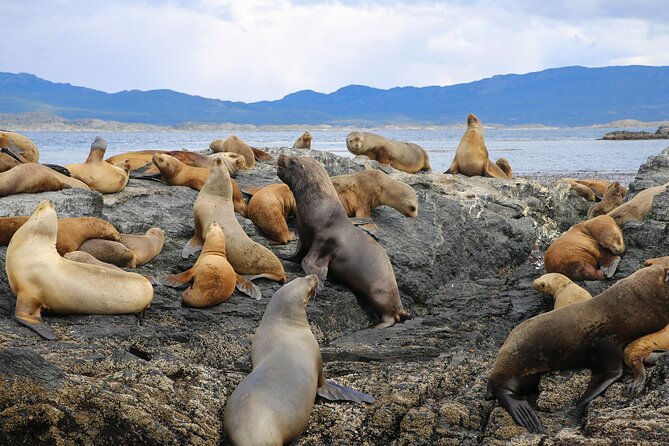
Next you sail toward Isla Los Lobos, where sea lions live close to the shoreline. From the boat, you can watch them in their “permanent habitat” setting—resting, shifting, and keeping a clear sense of what belongs to them.
What I like about this stop is the realism. You’re not visiting a controlled attraction. You’re on their terms, at their coastline, with the boat positioned for observation. That changes how you view the animals. You end up watching behaviors instead of waiting for a single moment.
It’s also a great warm-up for the later penguin stop at Martillo. Sea lions and penguins share the same coast energy, but they act so differently that your brain stays engaged from one stop to the next.
Isla de Los Pájaros: A Seabird Stop That Adds Variety
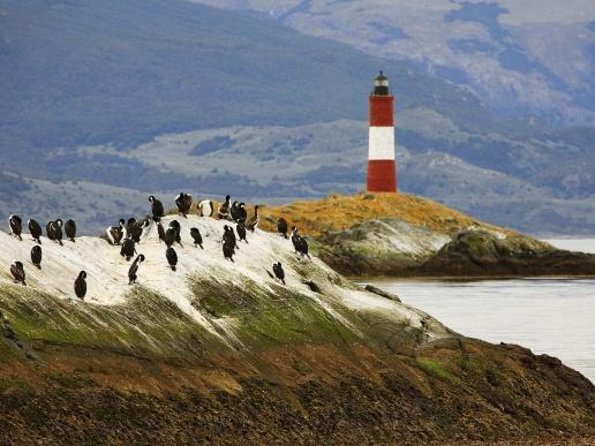
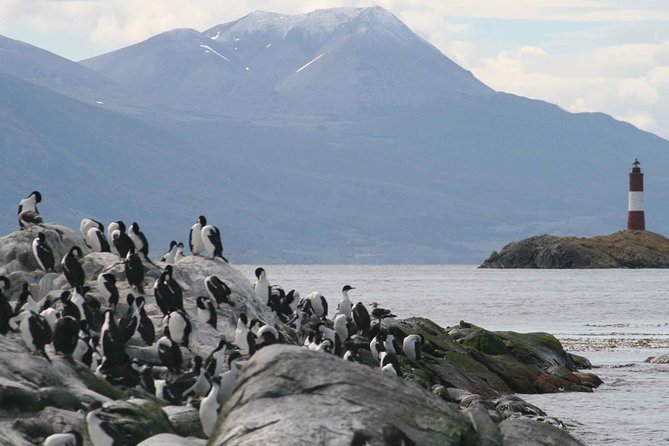
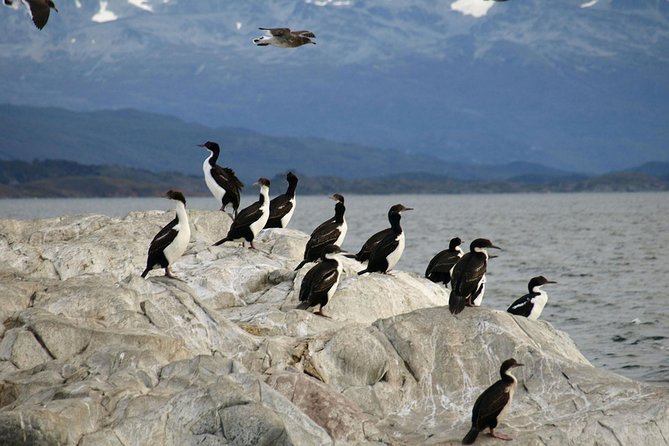
Continuing onward, you reach Isla de Los Pájaros, known for marine bird life. This is a quick but satisfying stop where you can look for species such as Magellanic cormorants and Imperial cormorants, and you’re in a good area for spotting other sea birds.
This part is valuable because it breaks up the day. If your focus is penguins, it’s easy to tune out everything else. But birds are part of the ecosystem story here, and seeing different species across stops makes the wildlife feel connected rather than random.
If the weather is rough, you’ll still get plenty of scanning time from the boat. This is the kind of stop that rewards staying alert rather than sprinting around for the best angle.
Faro Les Eclaireurs: Lighthouse Views and the 1930 Shipwreck Story
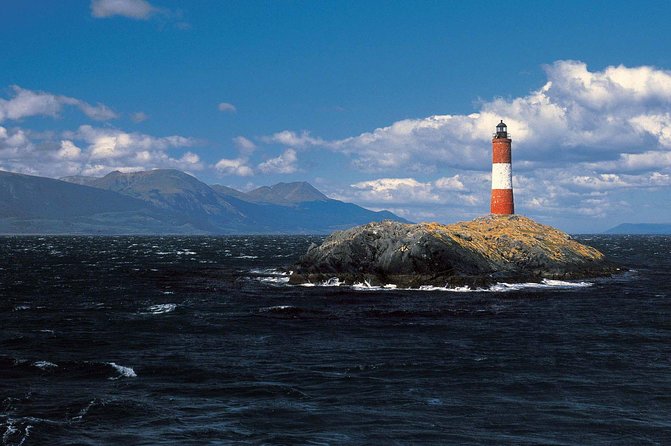
Then you head toward Faro Les Eclaireurs in the Les Eclaireurs archipelago. The lighthouse area also connects to a shipwreck story: parts of the Monte Cervantes wreck were associated with the 1930 sinking.
In photo terms, the lighthouse can look bigger in pictures than it feels in person. Still, it’s a nice waypoint because it adds a human story to the wildlife-driven day. And it’s the sort of moment where you stop looking for animals and start appreciating geography—how the islands stack up, how the channel narrows, and how the wind shapes everything.
This is one of those stops where the guide’s narration helps. The lighthouse isn’t just a landmark; it’s a cue to understand how this region has always been a tricky place to navigate.
Crossing Toward Chile: Gable Island and Puerto Williams Naval Views
As you cross the channel, you pass Gable Island and look toward the Puerto Williams Naval Base area on Navarino Island in Chile. This “boundary feeling” is one reason people love sailing days here. You’re not just traveling through a single country. You’re moving through a maritime world that belongs to both geography and international history.
Even if you don’t get a landing, the sightlines do the work. The channel opens and closes visually as the islands change position, so the horizon isn’t boring. You’re always repositioning your viewpoint.
One more point: wind and chop can vary. Some days feel like a gentle cruise; other days feel like the channel is flexing its muscles. The good news is you still get plenty of viewing time, and the heated cabin gives you a real option to reset.
Martillo Island: Magellanic Penguins Up Close from the Beach
The big moment arrives at Isla Martillo. This is where the day earns its reputation: a native colony of Magellanic penguins nests here in the summer, and they come toward the boat with curious energy.
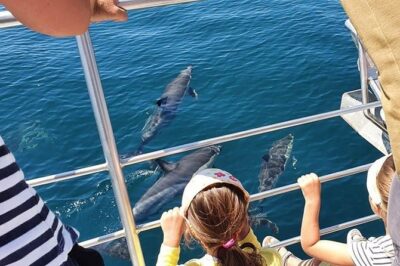
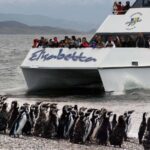
You approach the beach and stay there so you can observe the penguins’ behavior. You don’t just see them standing in a cluster. You can watch them swim under the catamaran and then pop back up again. That movement is what makes the photos look alive instead of static.
I also like how this stop works for families. It’s simple. It’s visual. You don’t need bird-nerd skills to enjoy it. Just keep your eyes moving: some penguins are bold, some are more cautious, and the best moments often happen after a few minutes of waiting.
A realistic expectation: penguins from the boat
Set your expectation for boat-side viewing. In multiple accounts, the closest experience is still watching them from the catamaran rather than walking among them. It’s still very close, but you’re not in full “touch and feed” territory (and you shouldn’t be). The value is watching their natural behavior without human interference.
Comfort, Timing, and the Deck vs. Indoors Strategy
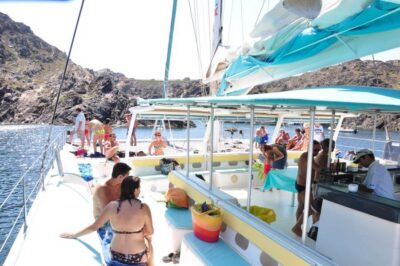
The boat experience is part of the value. This catamaran has indoor seating and an outdoor deck for viewing. When the wind hits, you’ll feel it. But when the sun peeks out, deck time becomes addictive.
Here’s the best strategy I’d use:
- Start on deck early for the first wildlife scanning.
- When you feel chilled, rotate indoors for hot drinks and a breather.
- Return to the deck for each new stop approach when the guide starts pointing out where to look.
A note from day-to-day reality: the sailing stretches between stops can take a while, and you’ll spend real time on the water. Some people find that part relaxing; others call it the long part of the day. Either way, dress for it, and you’ll be happier.
Photos and That “How Do I Get the Shot” Moment
This is where planning helps. The boat can be crowded at certain stops, and getting a clear frame from every angle isn’t always easy. Even when you’re positioned well, people stand up, lean forward, and lift cameras at the same time.
If you’re serious about photos, you’ll likely want to:
- Change your position a few times rather than staying locked at one railing.
- Aim for quick bursts during penguin moments when they move between water and sand.
- Keep your camera ready when the guide tells you to watch a specific shoreline corner.
There’s also mention of paid professional photo services on some departures (one passenger noted a personal photo add-on priced at about US$15). If you care about guaranteed results, you can ask onboard what’s available instead of relying only on your own shots.
Value Check: Is $158 a Good Deal for This Beagle Channel Sail?
At $158 per person, the value mostly comes from the combination:
- A heated catamaran with bathrooms
- A full wildlife route through multiple islands
- A guided experience in Spanish and English
- And that Martillo Island penguin time that many other excursions don’t match
What’s not included matters. Food and beverages aren’t part of the base price, and the tour doesn’t include hotel transfers to the pier. So you’ll want to budget for meals on your own schedule, plus any snacks you buy onboard.
Now, there’s another detail that affects value depending on your departure: some people describe an added Estancia Harberton extension as a separate component with extra time and costs. If your booking includes it, that’s a bonus layer—there are mentions of a fossil/marine mammal focus and time for lunch at the estancia restaurant. If your booking doesn’t include that extension, you’re still getting a strong core wildlife sail.
So the honest takeaway is this: the base sail is the star. Any land extension you add can raise the value for history-nature fans, but don’t assume it’s included in every version.
Wildlife Comfort: What You’ll Actually See During Each Stop
Here’s the wildlife rhythm you can expect across the day:
- Sea lions at Isla Los Lobos, often close enough that you can watch how they interact with the shoreline
- Marine birds at Isla de Los Pájaros, including cormorants
- A lighthouse and a shipwreck story near Faro Les Eclaireurs
- Cross-channel views around the Chile border area via Gable Island and Puerto Williams naval views
- Magellanic penguins at Martillo, including swimming under the boat and surfacing near the beach
If birds are your passion, this route gives you variety, not just one animal type. If penguins are your priority, Martillo Island is the payoff.
Who This Tour Fits Best (And Who Might Want Another Option)
This is a strong match for:
- Families who want a single day with high “wow” potential
- People doing Antarctica planning who want penguins without leaving Argentina
- Anyone who likes wildlife viewing from a warm, comfortable boat
It might not be your best fit if:
- You need a walking-on-land style experience with penguins (this is boat-side viewing)
- You dislike long cold boat time between stops
- You’re expecting the lighthouse to be a big major stop like you’d find in major ports (it’s small, more of a view-and-story moment)
Should You Book This Beagle Channel Sail?
Yes, if you want the Beagle Channel in one day with real animal encounters and comfort built in. The heated catamaran, the multiple wildlife stops, and that Martillo Island penguin viewing are the reasons this works.
I’d book it especially if you’re traveling with mixed interests—bird lovers, penguin fans, and people who simply want to enjoy scenery with guidance. For a few passengers, the “boat viewing” style was a letdown compared with expectations of walking among penguins, so read that as your key deciding factor.
If you can handle cold wind for a few minutes at a time and you’re happy watching from the water, this is a smart use of a day in Ushuaia.
FAQ
How long is the Beagle Channel tour?
It runs about 5 hours 30 minutes (approx.).
What does the $158 per person include?
You get the catamaran with heating and bathrooms, a bilingual guide (Spanish and English), and the port fee.
Is food or drinks included?
No. Food, beverages, and other services not specified are not included.
Do I need hotel pickup?
No. Transfer from the hotel to the pier isn’t included, so you’ll need to get yourself to the meeting point.
Where does the tour start?
The tour starts at Tolkeyen Patagonia Turismo – Muelle, Av. Prefectura Naval Argentina, V9410 Ushuaia, Tierra del Fuego, Argentina.
Will I be able to see penguins?
Yes. You visit Martillo Island, where Magellanic penguins approach the boat near the beach.
Can I stay warm during the trip?
Yes. The catamaran has heating and bathrooms, and you can switch between indoor seating and top-deck viewing.
How big is the group?
The tour has a maximum of 100 travelers.
What should I bring for weather?
Bring a coat, hat, gloves, and a waterproof jacket. In summer, bring sunglasses and sunscreen.
What happens if weather is poor?
This experience requires good weather. If it’s canceled due to poor weather, you’ll be offered a different date or a full refund.
Would you like a different Ushuaia wildlife plan?
If you tell me your travel dates and whether you want an optional estancia extension, I can help you pick the best fit for timing and comfort.