REVIEW · ASWAN
Nile cruise between Aswan and Luxor: Sail the best temples in Egypt
Book on Viator →Operated by Conocer Egipto · Bookable on Viator
Temple time is always the highlight on this Nile run. This Aswan-to-Luxor cruise mixes big ancient sites with quiet sailing downtime along the river, plus you get a guide who helps you make sense of what you’re seeing. I especially like the day-by-day pacing (temples in the morning, breathing room after), and I like that the package keeps your planning simple with pickup, transfers, and most admission tickets included. One thing to plan for: Abu Simbel is optional, and its admission isn’t included, so it can add a bit to your total.
The group size stays reasonable (up to 30), which makes it easier to hear explanations and move through crowded stops without feeling like cattle. You’ll start around 6:00am with pickup in Aswan (airport, station, or hotel), then end in Luxor with free time and a transfer when you’re ready.
In This Review
- Key highlights worth your attention
- Aswan-to-Luxor timing: why the 6:00am start helps
- Day 1 in Aswan: settle in, then explore at your own pace
- Abu Simbel, Philae, and Kom Ombo: the temple day with real variety
- Abu Simbel: the optional add-on that can feel like a must
- Philae: an island temple reached by boat
- Kom Ombo: a temple for two gods
- Edfu, Karnak, and Luxor Temple: the big-stage day
- Edfu Temple: one of the best preserved
- Karnak: built over 2,000 years by different pharaohs
- Luxor Temple: Amun Ra at the heart of the city
- Valley of the Kings, Hatshepsut, and Memnon: your final day in Luxor land
- Valley of the Kings: choose 3 tombs
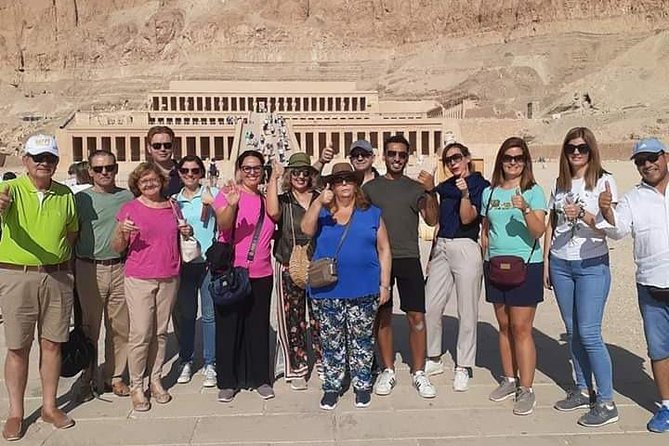
- Mortuary Temple of Hatshepsut: one of the incomparable monuments
- Colossi of Memnon: a quick stop with big presence
- After checking out: 5 hours to explore Luxor on your terms
- What you actually get for $500: value and trade-offs
- The on-board rhythm: calm navigation plus heavy days on shore
- Photo and pacing tips that make the difference
- Who this Nile cruise fits best
- Should you book this Aswan-to-Luxor cruise?
- FAQ
- What is the duration of this Nile cruise?
- Where does the tour start and end?
- What time does pickup begin?
- Do you get picked up from the airport or hotel?
- Are tickets included for all the temples?
- How many lunches and dinners are included?
- Is Abu Simbel included in the price?
- How many tombs can you enter in the Valley of the Kings?
- Is a mobile ticket provided?
- Is the group size limited?
- FAQ
- Can I cancel for a full refund?
- Are tips and drinks included?
Key highlights worth your attention
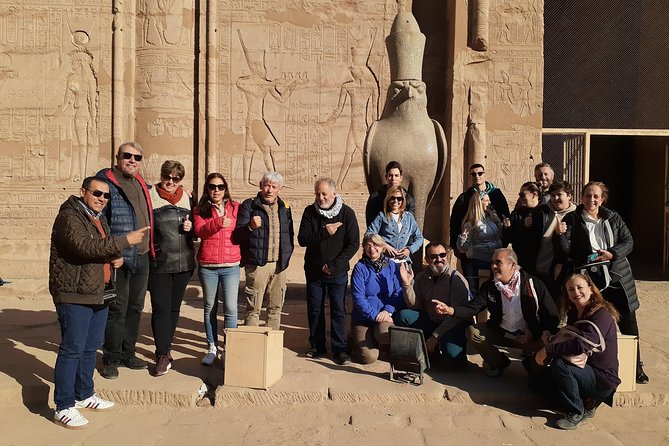
- Small group size (max 30): more room for questions and less stress at busy entrances
- Abu Simbel optional but major: a rock-cut monument tied to Ramses II and Nefertari
- Philae by boat: a temple on an island, reached the way you expect—by water
- Edfu + Karnak + Luxor Temple: three heavy hitters in one smooth temple rhythm
- Valley of the Kings: choose 3 tombs: you get control over how you spend your time underground
- Guide style from Mohamed/Moha: clear Spanish explanations, and fun little ways to make gods and symbols click
Aswan-to-Luxor timing: why the 6:00am start helps
This trip is built around a very practical truth: Egypt temples have a schedule, and you’ll enjoy them more when you’re not racing at the worst hours. The day starts at about 6:00am with pickup in Aswan, which helps you reach key sites early enough to get better light for photos and usually a calmer feel before the biggest waves of tour buses roll in.
You’re also not just “doing monuments.” Between excursions, you get time on the boat—so you’re not stuck in nonstop land travel. That matters because the temple circuit is tiring in a good way, like your brain is working overtime.
You can also read our reviews of more boat tours in Aswan


Day 1 in Aswan: settle in, then explore at your own pace
Day 1 starts with pickup at the airport, train station, or your hotel in Aswan. From there, you head to the boat, get settled in your room, and follow meals on the cruise schedule.
Then comes the best luxury: a free day. You can rest by the pool, or you can go explore Aswan on your own. I like this structure because it lets you adjust to the pace and the heat. It also helps if you want time to simply get your bearings—no itinerary pressure, no timed tickets, no “we’re late” feeling.
For first-time Egypt visitors, this day is also a nice buffer. If you’re coming in from a long flight, you’ll appreciate that you’re not thrown straight into a sunrise-hunt on your first morning.
Abu Simbel, Philae, and Kom Ombo: the temple day with real variety
Day 2 is where the cruise shifts from “setup” to “wow.” You’ll see three very different temple experiences, which keeps the day from blending together.
Abu Simbel: the optional add-on that can feel like a must
Abu Simbel is optional, but the way the stop is framed makes it hard to ignore. These temples were carved into rock during Pharaoh Ramses II, as a monument to Ramses II and his wife Nefertari. That royal connection is the point: this isn’t just an old ruin. It’s propaganda in stone—timeless, intentional, and dramatic.
Admission for Abu Simbel is not included, so you should budget for it. My advice: if it’s your first big Egypt trip and you like “signature sights,” pick Abu Simbel. If you’re temple-weary or traveling with someone who hates long day excursions, you can skip and still get an excellent temple day.
Philae: an island temple reached by boat
Next is the Temple of Philae, dedicated to the goddess Isis. The key detail here is not just what it’s for—it’s how you get there. You arrive by boat to an island setting, which turns a normal entrance into an experience with motion and views.
This stop has admission included, and the island approach usually makes photos feel easier. Even if you’re not a photographer, the journey helps you switch modes from travel-day logistics to actual sightseeing.
Kom Ombo: a temple for two gods
Then you’ll head to the Temple of Kom Ombo, known for being built for two gods: Sobek and Haroeris. This dual dedication gives you a different kind of “reading the temple” experience. Instead of one main story, you get a split focus, so you’ll want your guide to explain how the layout connects to the beliefs.
Admission is included here too, which makes the day feel nicely balanced: you pay once (for the package), and you don’t keep worrying about each site’s cost.
Edfu, Karnak, and Luxor Temple: the big-stage day
Day 3 is a serious temple day. The value isn’t just in seeing famous places—it’s in seeing them in an order that builds momentum.
Edfu Temple: one of the best preserved
You start at Edfu Temple, dedicated to God Horus. It’s described as one of the best preserved temples of Ancient Egypt, and that matters. When a temple holds up well, you can actually make out details you’d miss elsewhere. It’s easier to feel the structure and symbolism rather than just walking through columns.
You get about two hours here, with admission included. That time window is good: long enough to understand what you’re looking at, short enough not to feel trapped in a heat bubble.
Karnak: built over 2,000 years by different pharaohs
Then comes Temple of Karnak, constructed over 2000 years by different pharaohs. This is one of those places where your brain wants a map. You’ll likely hear explanations that connect the different sections and rulers to the evolving religious and political story.
There’s also mention of Karnak’s famous avenues: the avenue of the sphinxes, the hall of the columns, and the avenue of the rams. Those aren’t just decorative bits; they help guide you through the temple complex like you’re walking a symbolic route.
Admission is included, and the stop length is about two hours. If you rush, Karnak becomes just “huge.” With the time given, it can become “wow, I get why it’s huge.”
Luxor Temple: Amun Ra at the heart of the city
Finally, you’ll visit Luxor Temple, built in honor of Amun Ra, often treated as the God of Kings and the King of the Gods. This adds a different flavor than Edfu and Karnak. Luxor Temple sits more within the lived-in city energy, so it feels like a temple that still “belongs” to Luxor rather than floating in the distance.
Admission is included, and you get around two hours. It’s a good wrap because you end the day feeling like you’ve seen multiple layers of Egyptian belief, not just one.
Valley of the Kings, Hatshepsut, and Memnon: your final day in Luxor land
Day 4 is the New Empire finale, and it’s packed—but it’s the kind of packed that feels meaningful.
Valley of the Kings: choose 3 tombs
You start with the Valley of the Kings, a necropolis where the tombs of many pharaohs of the New Empire are located, including Queen Hatshepsut (as noted in the itinerary). The big practical win: you can enter 3 tombs of your choice.
Admission is included, and you’ll have about two hours. I like the choice element. It means you can pick what fits your interests and energy level—especially helpful if you’re traveling with kids or someone who gets bored with “more of the same” underground.
Mortuary Temple of Hatshepsut: one of the incomparable monuments
Next is the Mortuary Temple of Hatshepsut, built by one of Egypt’s major queens. The itinerary frames it as one of the incomparable monuments of Ancient Egypt, and that’s often how people describe it because it’s not just a tomb. It’s a statement.
Admission is included, with about one hour on site. That’s enough time to appreciate the scale and the craftsmanship without turning it into a marathon.
Colossi of Memnon: a quick stop with big presence
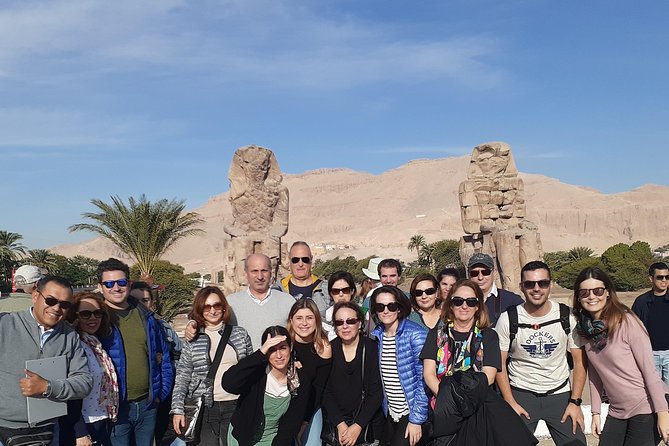
Then you’ll see the Colossi of Memnon, two gigantic stone statues representing Pharaoh Amenhotep III. It’s only about 15 minutes, and admission is free.
Don’t underestimate a short stop. These statues can hit hard visually, and then you move on without draining the day.
After checking out: 5 hours to explore Luxor on your terms
After you check out, you get free time to explore Luxor on your own for about 5 hours. You’ll also get help getting where you want—hotel, airport, or station—based on what you tell them.
This is smart. It keeps the cruise from ending with a last-minute scramble. Instead, you can shop, wander, or just sit and process what you saw. Temple days can feel intense. A breather helps.
What you actually get for $500: value and trade-offs
At $500 per person, the value depends on what you’d otherwise have to organize yourself. Here, you’re getting a package that includes:
- 4 nights accommodation on the cruise
- Pickup in Aswan and transfer in Luxor
- All visits in the itinerary
- Tickets for the listed sites (with Abu Simbel clearly marked as not included)
- Lunch (4) and dinner (4)
- A mobile ticket and confirmation at booking time
You’re not paying extra for most entrances, and you’re not paying someone to repeat the “how do I get there?” work every day. For a route that covers major temples, that’s where the money adds up fast when you book everything separately.
Trade-offs to consider:
- Drinks and tips are not included. You’ll want to plan for water, soft drinks, and a sensible tipping budget.
- Abu Simbel is optional and not included. If you skip it, you keep costs lower; if you add it, budget for that admission.
The on-board rhythm: calm navigation plus heavy days on shore
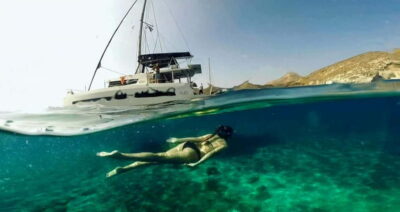
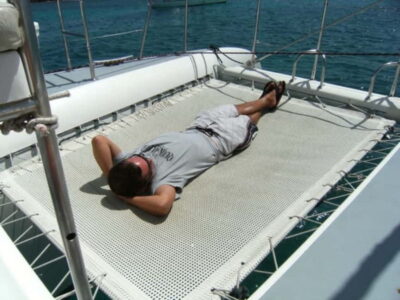
The cruise’s promise is a real one: you get quiet navigation spaces along the Nile River. That matters because temple travel can run hot, loud, and crowded. Time on the boat gives your body a chance to reset.
The schedule also seems designed to avoid the worst kind of fatigue. You’re not stuck doing back-to-back marathon walks every day. Instead, you get time in the boat between stops and included meals (lunch and dinner across the days).
On top of that, the service is a major theme in the experience’s reputation. Many people talk about how staff greet you as soon as you step aboard and handle details smoothly, even when things get complicated for a group. The guide named Mohamed (often called Moha) also gets consistent praise for keeping explanations clear and fun, and for being attentive enough to solve little issues quickly.
If you like a trip that’s organized but still human, this kind of boat-based pacing fits well.
Photo and pacing tips that make the difference
This is Egypt: you’ll want photos, and you’ll want them without stress. A few practical moves help:
- Wear a hat and carry sunscreen. You’ll spend hours outdoors across multiple sites.
- Bring a small water stash if allowed by the boat and your group rules. Drinks aren’t included, so staying hydrated is on you.
- If Abu Simbel is on your list, decide early. It’s optional, but it affects your day plan and costs.
- For tomb visits in the Valley of the Kings, pick your 3 tombs based on what you want to see. You don’t have to see everything to feel the impact.
Also, if you enjoy explanations, lean into the guide time. The Egypt-focused storytelling style from Mohamed/Moha—including entertaining ways to explain the gods and symbols—can turn the visit from “look at ruins” into “I get the meaning.”
Who this Nile cruise fits best
This is a strong match if you:
- Want a temple-focused route without planning all transport and tickets yourself
- Like the idea of mixing history with actual downtime on the water
- Prefer small-group pacing (max 30) over chaos
- Enjoy learning from a guide, especially one who explains religious symbols in a way that sticks
If your travel style is purely “free time all day,” you might find temple days busy. But if you want Egypt with context and structure, this setup is efficient and satisfying.
Should you book this Aswan-to-Luxor cruise?
I’d book it if you want a straightforward package that covers the core temple sequence from Aswan to Luxor, with most admissions and meals handled. The value is strongest when you like learning as you go—because a good guide can turn stone carvings into stories you can actually follow.
I would pause and reconsider if:
- You’re trying to keep every cost ultra-tight (because Abu Simbel isn’t included, and drinks/tips aren’t included)
- You dislike early starts and long day excursions
One more practical note: you can book directly by WhatsApp at +201001370325 or via their website at www.conoceregipto.com. If you ask questions before you commit—especially about Abu Simbel and how that day fits your comfort level—you’ll feel confident choosing the right option.
FAQ
What is the duration of this Nile cruise?
It’s listed as 4 days (approx.) with 4 nights accommodation on the cruise.
Where does the tour start and end?
It starts in Aswan (pickup) and ends in Luxor, with transfer assistance after checking out.
What time does pickup begin?
The start time is 6:00am in local time.
Do you get picked up from the airport or hotel?
Yes. Pickup in Aswan can be arranged from the airport, train station, or hotel.
Are tickets included for all the temples?
Most are included, like Philae, Kom Ombo, Edfu, Karnak, Luxor Temple, Valley of the Kings, and Hatshepsut. Abu Simbel is marked as optional and its admission ticket is not included.
How many lunches and dinners are included?
There are 4 lunches and 4 dinners included.
Is Abu Simbel included in the price?
Abu Simbel is optional, and the admission ticket for it is not included.
How many tombs can you enter in the Valley of the Kings?
You can enter 3 tombs of your choice.
Is a mobile ticket provided?
Yes, a mobile ticket is part of the experience.
Is the group size limited?
Yes. The maximum group size is 30 travelers.
FAQ
Can I cancel for a full refund?
You can cancel up to 3 days in advance of the experience for a full refund, based on the local time cutoff.
Are tips and drinks included?
No. Tips and drinks are not included.