
REVIEW · LUXOR
Nile cruise between Luxor and Aswan: Sail the best temples in Egypt
Book on Viator →Operated by Conocer Egipto · Bookable on Viator
Stone gods, slow sails, and real explanations. This Luxor-to-Aswan Nile cruise is a smart blend of big-name monuments and actual breathing room on the river, with Valley of the Kings tomb entries and guided stops that help you read what you’re seeing.
What I like most is the way you get to choose three tombs in the Valley of the Kings, instead of being herded through everything at speed. I also love how the guide experience feels personal, especially with Mohamed Gaber (Moha), whose explanations can turn temple facts into something you can picture.
The one thing to keep in mind is that this trip is not just a float. Days are built around temples and getting there early, so you’ll want comfy shoes and a good attitude toward walking and crowds at popular sites.
In This Review
- Key highlights worth caring about
- Your first taste of Luxor, then an easy start
- Valley of the Kings and Deir el-Bahari: the day that teaches you how to look
- Karnak and Luxor Temple: two gods, two rhythms, and a lot of scale
- Colossi of Memnon: quick stop, big impression
- The Nile navigation break: pool time and a slower pace
- Edfu Temple: Horus in beautifully preserved stone
- Kom Ombo: a temple built for two gods
- Abu Simbel optional excursion: the long push worth considering
- Philae on an island: a temple with a boat approach
- Felucca ride on the Nile: a different view of everyday Egypt
- Optional Nubian village visit: cultural curiosity, costs to check
- Aswan arrival: free time plus smooth transfers
- Price and value: what $625 buys you in real terms
- Logistics that matter: time, crowds, and who this fits best
- The guide makes the difference: Mohamed Gaber (Moha) as the engine
- Should you book this Luxor to Aswan Nile cruise?
- FAQ
- What is the duration of the cruise?
- Does the tour include pickup in Luxor and a transfer in Aswan?
- Are temple tickets included?
- Which meals are included?
- Are Abu Simbel and the Nubian village visit included?
- Can I cancel for a full refund?
Key highlights worth caring about
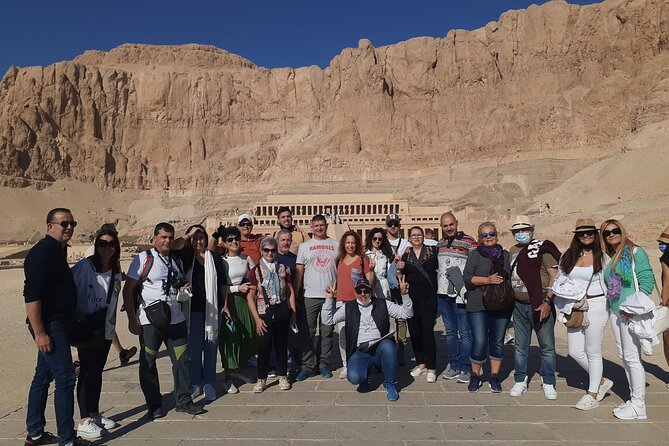
- Mohamed Gaber (Moha) as your guide: clear, organized, and interactive explanations that make the sites easier to understand
- Valley of the Kings flexibility: you can enter 3 tombs of your choice, which helps you tailor the day
- Temple lineup that covers multiple dynasties: Hatshepsut, Karnak, Horus at Edfu, Sobek and Haroeris at Kom Ombo, and more
- Real downtime on the Nile: quiet navigation time plus sunbathing by the pool
- Two optional add-ons: Abu Simbel (highly recommended) and a Nubian village visit (not included)
- Small group size: up to 30 travelers, which helps the guide keep things moving
Your first taste of Luxor, then an easy start
You begin in Luxor, with pickup offered from the airport, train station, or your hotel. The schedule starts early (around 6:00 am at the Luxor Temple meeting point), but that’s normal for temple travel in Egypt: mornings are when the light is best and the crowds are lower.
Day 1 is lighter. You settle into your cabin, meals follow the boat’s schedule, and then the day is yours. I like this approach because it lets you adjust to the heat and time zone without feeling like you must “perform” on arrival. If you want a simple evening plan, Luxor Temple area walkabouts work well at your own pace, as long as you pace yourself.
You can also read our reviews of more boat tours in Luxor

Valley of the Kings and Deir el-Bahari: the day that teaches you how to look
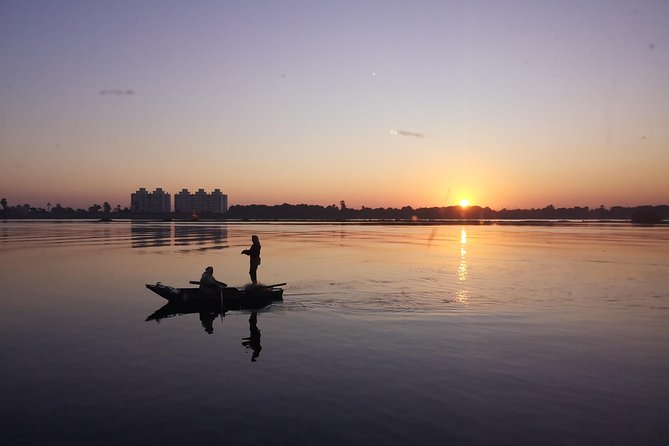
Day 2 is built around the biggest “wow” zone in Luxor’s region: Valley of the Kings plus Temple of Hatshepsut at Deir el Bahari. In the Valley of the Kings, you can enter three tombs of your choice, which is a gift. It means you can spend time where your interests are, instead of just ticking boxes.
The Valley itself is a necropolis, a cemetery area for rulers of the New Kingdom, and it’s one of the best places to understand that ancient Egypt did not treat death like an ending. The tombs also help you read how painted scenes were designed for specific spaces, not just decoration. Then you move to Hatshepsut’s temple, a place that feels architecturally confident even if you’re not fluent in Egypt’s royal names.
This stop is especially good if you want context. Hatshepsut was a major ruler, and the temple reflects her status through scale and design choices. I also think it’s easier to “get” history here than in a museum—stone is stubborn. It doesn’t care if you’re tired, so the facts stick.
Karnak and Luxor Temple: two gods, two rhythms, and a lot of scale
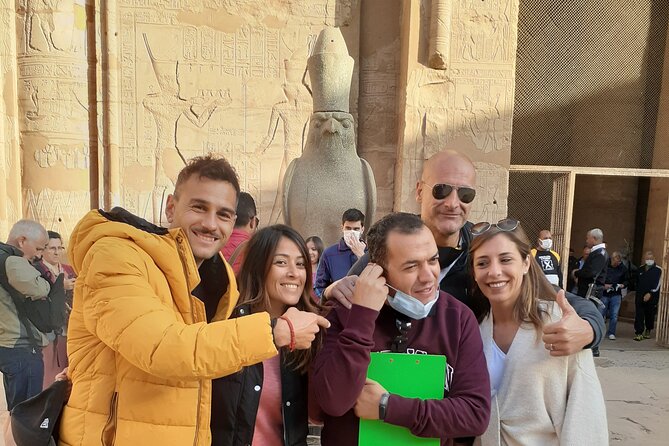
Still on Day 2, you add Karnak Temple and Luxor Temple, with the Avenue of the Sphinxes, the Hall of Columns, and the famous avenue of the rams at Karnak. Karnak is huge by Egyptian standards, and the experience is more than sight-seeing. You’ll start noticing repeated patterns—different pharaohs building, adding, reshaping—so the place feels like a long conversation across generations.
After Karnak, you go to Luxor Temple, dedicated to Amun Ra. This temple is easier to mentally hold onto because it feels more concentrated, and it’s a good contrast to Karnak’s “everything everywhere at once” scale. If you’ve ever felt museum-wilt after too many rooms, this rhythm helps: one massive complex, then a more focused shrine.
Between stops, the guide becomes important. With Mohamed Gaber (Moha), the group energy stays positive and the explanations are clear enough that you aren’t just watching carvings—you’re learning what they’re doing and why.
Colossi of Memnon: quick stop, big impression
The Colossi of Memnon are just a short stop, but they’re worth it. These two giant statues represent Pharaoh Amenhotep III, and the contrast is striking: you’re standing in front of massive stone figures while everything around them moves like normal life.
Because this is time-efficient, it works well as a break between major temple sites. It’s also the kind of stop that helps you reset your attention so the next temple doesn’t feel like a blur.
The Nile navigation break: pool time and a slower pace
After the temple-heavy day, you get afternoon navigation on the Nile, moving between Luxor and Edfu. This is where the cruise format pays off. The boat gives you quiet time and a chance to breathe, which matters because Egypt’s temple days can be physically demanding.
You can sunbathe by the edge of the pool, and the experience of watching the riverbanks slide by is a real change of pace from stone-and-dust tourism. I like that the schedule doesn’t force you to keep moving every minute. Even a short rest can make the next temple visit feel sharp instead of exhausting.
Edfu Temple: Horus in beautifully preserved stone
Day 3 starts with Edfu Temple, dedicated to God Horus. The key detail here is quality: it’s described as one of the best preserved temples. That matters. When carvings and layouts survive well, your understanding grows faster because you can actually make out how the spaces function.
You’ll likely spend around two hours here, which is the right amount of time to see the main areas without rushing. If you’re the type who likes to read visuals as you go, this stop is a strong match because the temple is structured enough that it feels navigable.
Kom Ombo: a temple built for two gods
Then you head to Kom Ombo Temple, which is built for two gods: Sobek and Haroeris. This dual dedication is a nice twist because it reminds you that Egyptian religious life wasn’t one single line—it could be layered, shared, and reworked depending on place and era.
This stop is shorter (about an hour), so it often works well as a “steadying” point after Edfu. The temple gives you another perspective on symbolism and how different divine figures could be represented within one sacred complex.
Abu Simbel optional excursion: the long push worth considering
On Day 4, Abu Simbel is flagged as optional, but you’re also told it’s a must. Even with no extra context, that recommendation makes sense. Abu Simbel is famous for a reason: it’s not just a temple, it’s a statement carved for a ruler and meant to impress people far beyond the local area.
The data also notes that the excursion is optional, so you should decide based on your energy. If you’re excited about Ramses II and Nefertari and you want a crown jewel moment, it’s an easy choice to add. If you’re sensitive to long days, you might prefer to keep your energy for the Aswan-side highlights later.
Philae on an island: a temple with a boat approach
After that, you visit Temple of Philae, dedicated to Isis. The island setting is more than scenery. Arriving by boat changes the pace, and it makes the temple feel like a deliberate destination rather than another stop on a list.
You’ll spend about an hour here, which typically works well because island-temple visits have a built-in rhythm: approach, arrive, explore, then head back. If you enjoy the blend of water and stone, Philae is one of the more memorable stops in the whole route.
Felucca ride on the Nile: a different view of everyday Egypt
Still on Day 4, you get a felucca ride on the Nile to admire Egyptian life from another angle. This is where you see the river as part of daily reality, not just scenery. It’s an hour of slower motion, and it’s a good match for a cruise itinerary because it doesn’t require you to sprint between places.
I also like that this is the kind of activity that doesn’t need a lot of explanation. Even if you only catch parts of the guide’s context, the experience still lands.
Optional Nubian village visit: cultural curiosity, costs to check
Another optional add-on is the Poblado Nubio experience, including meeting Nubian village life and passing a place where you can bathe if you dare. The important detail is that the admission ticket for this option is not included in the provided information, so treat it as a “may add cost” choice.
If you like people-to-people travel and you want to go beyond temples, this option can feel meaningful. If you prefer to keep your budget tight and stay focused on the core ancient sites, you can skip it without breaking the overall flow.
Aswan arrival: free time plus smooth transfers
Day 5 is your exit day. After breakfast and check-out, you get free time in Aswan to tour on your own. The team will transfer you to wherever you need next—hotel, airport, or station—based on what you tell them.
This is the right way to do the finish. Aswan has its own vibe and it’s better experienced at your pace, especially after several big temple days. It also gives you room to pick your own style: a calm river walk, a market browse, or just time to decompress.
Price and value: what $625 buys you in real terms
At $625 per person, the value comes from bundling the essentials that usually add up fast: accommodation on the cruise for four nights, pickup in Luxor, the Aswan transfer, and tickets for the major visits listed in the route. You also get meals included: lunches (5) and dinners (4), which is a big deal because buying food separately during temple days can quietly inflate your budget.
What’s not included is also clear: drinks and tips. That’s common, but it’s worth planning for so it doesn’t surprise you mid-trip. Also, because Abu Simbel and the Nubian village are optional, you should expect possible additional charges there, since at least one of those has admission ticket noted as not included.
In short: you’re paying for structure, transport, and the hard-to-organize ticketing parts. If you’ve ever tried to assemble Luxor-to-Aswan temples on your own with the same timing, you’ll understand why this package can be good value.
Logistics that matter: time, crowds, and who this fits best
This cruise moves through a lot of heavyweight sites, so it helps to approach it with a strategy. Wear shoes that can handle uneven ground, and don’t plan your most intense sightseeing right after a late night. The trip runs on early starts and temple durations that add up, even when individual stops are short.
The group size—up to 30 travelers—also affects how it feels. It’s not a tiny private tour, but it’s small enough that a strong guide like Mohamed Gaber (Moha) can keep control of timing and explanation flow.
This cruise is a great match if you want:
- a guided read of temple symbolism, not just photos
- a cruise format with downtime between sites
- the flexibility of choosing three tombs in the Valley of the Kings
- a guide-led experience where Moha interacts with the group, even using theatrical or interactive explanation moments to help people understand
It’s less ideal if you hate early mornings, dislike any walking, or want a totally free-form, no-structure holiday.
The guide makes the difference: Mohamed Gaber (Moha) as the engine
One thing the reviews make clear is the importance of your guide. Mohamed Gaber, often called Moha, is repeatedly praised for being organized and attentive, with explanations that are not just accurate but easy to follow. There’s also a consistent theme of friendly support—help with practical questions like internet and money, and a sense that he’s keeping an eye on the group.
That’s not a small detail. Temples can look like carvings until someone helps you connect what you’re seeing to how the ancient Egyptians thought. When the guide explains in a way that feels like a performance—getting the group involved—you don’t just pass time in front of stone. You build understanding fast.
The boat staff also comes up in the feedback, including mention of the ship’s director named Máximo, described as helpful and professional. On a cruise, that kind of behind-the-scenes care matters more than people expect.
Should you book this Luxor to Aswan Nile cruise?
If your goal is to see major temples along the Nile without turning your trip into a logistics puzzle, I’d say yes. The route hits the big names—Valley of the Kings, Hatshepsut, Karnak, Horus at Edfu, Sobek and Haroeris at Kom Ombo, then Philae—and you’re not stuck traveling 24/7 thanks to the navigation time and pool downtime.
Book it if:
- you want guided context you can actually use
- you like the idea of choosing 3 tombs in the Valley of the Kings
- you’re willing to handle temple days with early starts
- you appreciate a guide-led experience where Moha teaches in a lively way
Skip or reconsider if:
- you want zero optional add-ons and zero extra decision-making
- you’re not comfortable with walking and crowd timing
- you’d rather travel at a slower pace with fewer scheduled stops
If you do book, plan for comfort: bring good shoes, budget for drinks and tips, and think about Abu Simbel based on your energy level. The core sites are strong enough that even without optional extras, you’ll still get a solid ancient Egypt highlight reel.
FAQ
What is the duration of the cruise?
The experience runs for about 5 days.
Does the tour include pickup in Luxor and a transfer in Aswan?
Yes. You get pickup at Luxor (airport, station, or hotel) and a transfer in Aswan to your next destination.
Are temple tickets included?
Yes. Tickets for the mentioned places are included (with the noted exceptions in the itinerary).
Which meals are included?
The cruise includes 5 lunches and 4 dinners. Drinks are not included.
Are Abu Simbel and the Nubian village visit included?
Abu Simbel is optional. The Nubian village (Poblado Nubio) is also optional, and the admission ticket for that option is not included.
Can I cancel for a full refund?
You can cancel up to 3 days in advance of the experience start time for a full refund.