REVIEW · OSLO
Oslo: Oslo Fjord Sightseeing Cruise by Sailing Ship
Book on GetYourGuide →Operated by Båtservice Sightseeing ltd · Bookable on GetYourGuide
Oslo Fjord cruises can be touristy. This one feels like a small, cozy ship ride, with a heated main deck and an authentic sailing ship vibe. You get that cool, Viking-era feeling from the water, but with modern comfort.
I especially like the panoramic sea views you get while passing islands and waterfront sights, including the Opera House and the Munch-area shoreline. And if you want to mix sea time with land time, the Bygdøy museum island hop-off is a smart extra.
The main consideration is simple: if you hop off at Bygdøy, the window is short, so you’ll want to choose one museum goal instead of trying to do everything.
In This Review
- Key takeaways before you go
- Boarding at Rådhusbrygge 3: what the start feels like
- The Oslo Fjord route: islands, Opera House, and the Munch spotlight
- The Bygdøy museum island hop-off: use your time like a local
- Onboard comfort: blankets, toilets, and where the warmth actually is
- Language support: app in 13 languages and onboard English audio
- Price and value: what $39 buys you in Oslo time
- Should you book this Oslo Fjord sailing cruise?
- FAQ
- How long is the Oslo Fjord sightseeing cruise?
- Where do I meet the tour for boarding?
- Is the boat heated?
- Are warm blankets provided?
- What is included besides the cruise itself?
- Is there a hop-off option at Bygdøy?
- Are museum tickets included?
- Can I bring drinks with me?
- What language options do I get?
- What should I wear for the cruise?
- Will the tour run in winter if the fjord is frozen?
Key takeaways before you go
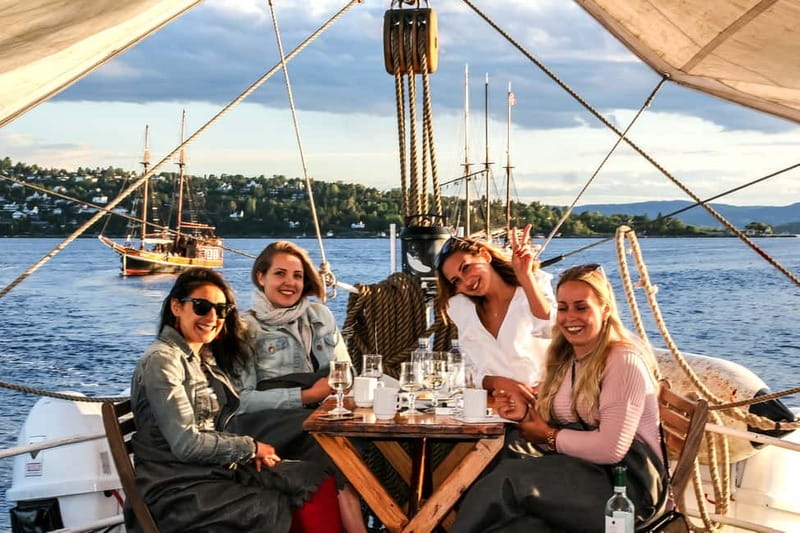
- Heated main deck + warm blankets: real comfort for cold, windy Oslo weather.
- Photo-friendly fjord route: narrow sounds, small islands, and recognizable landmarks from the water.
- Bygdøy hop-off option: you can turn the cruise into a sea-and-museum half day.
- 13-language app (Oslo Fjord Guide) plus English speaker audio if you do not download.
- Onboard bar and hot drinks: helpful when the wind makes you regret packing only a T-shirt.
Boarding at Rådhusbrygge 3: what the start feels like
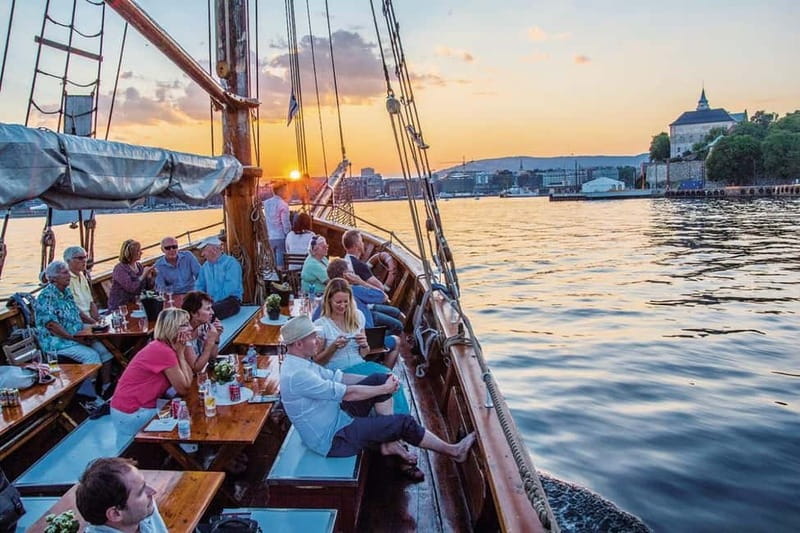
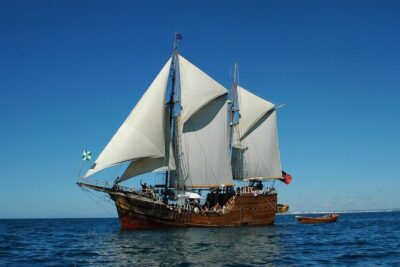
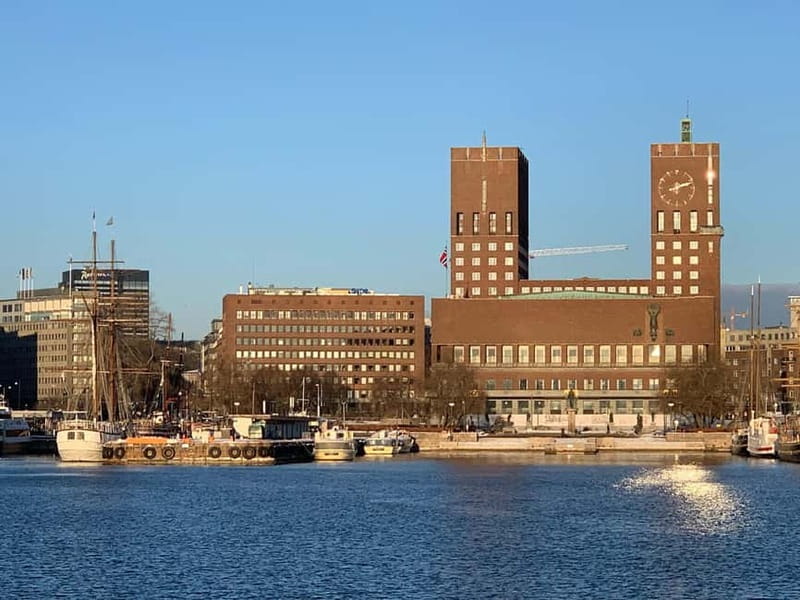
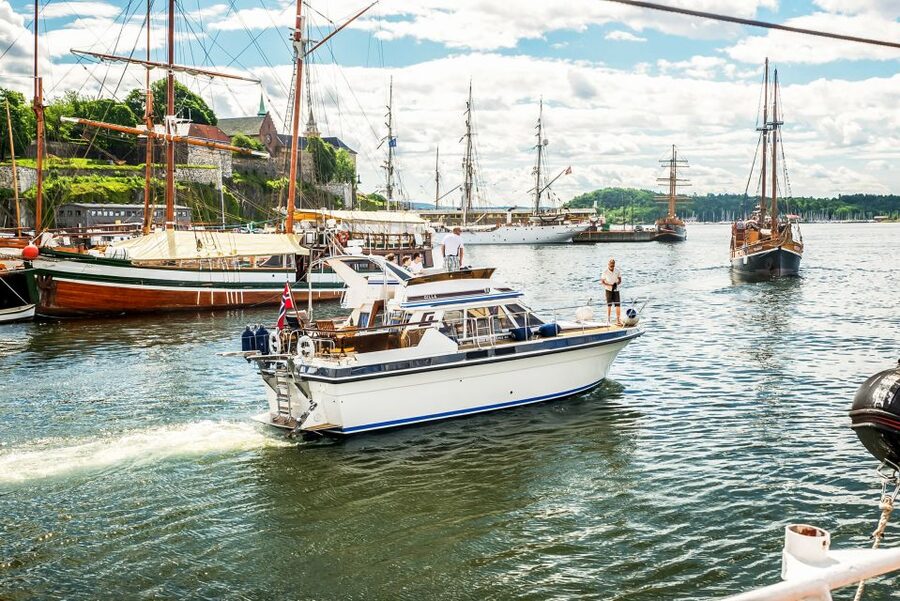
You board at Rådhusbrygge 3, the City Hall pier area (look for the Oslo Sightseeing Fjord Cruise sign above the provider kiosk). The setup is straightforward, and the ship itself is part of the charm. This is a traditional sailing ship style vessel, not a modern commuter boat—so even if conditions limit sailing under full sail, you still get the masts, the deck feel, and that slow-motion perspective that makes the fjord experience work.
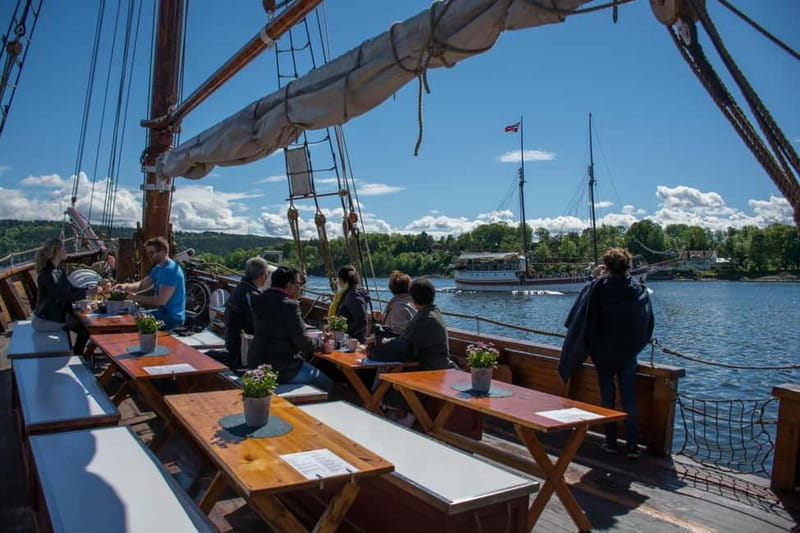
A key comfort point: the main deck is heated, and you’re also given warm blankets. That matters because Oslo weather can swing fast. In winter, the fjord air can be sharp even if the city looks mild from the street. On a 2-hour cruise, comfort is not a luxury—it’s the difference between enjoying the views and rushing back inside.
Seating is not guaranteed, so if you care about your exact spot for photos, arrive a bit early. Also, if you want the best angles, you might find the left side is great for views during the route through the inner waters—an easy tweak if you’re picky about your photo compositions.
You can also read our reviews of more boat tours in Oslo
The Oslo Fjord route: islands, Opera House, and the Munch spotlight
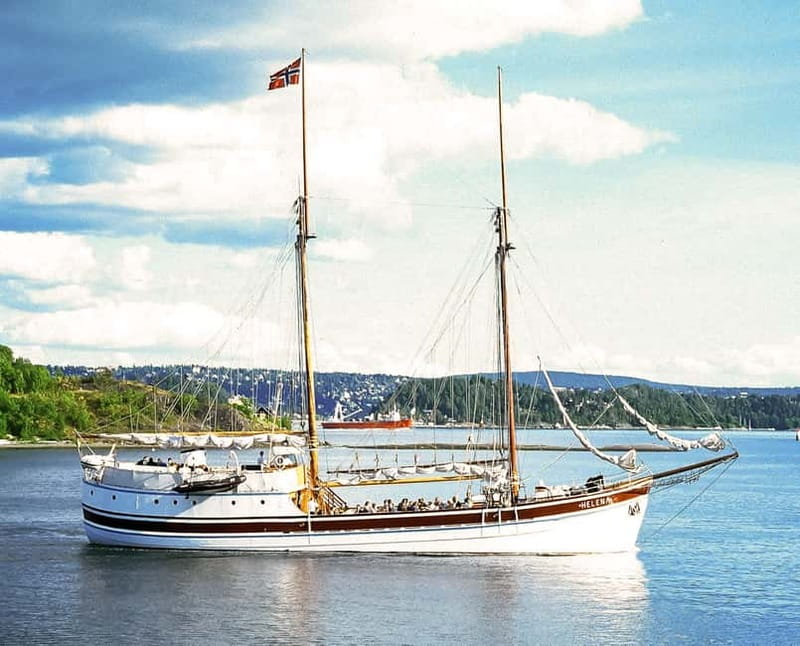
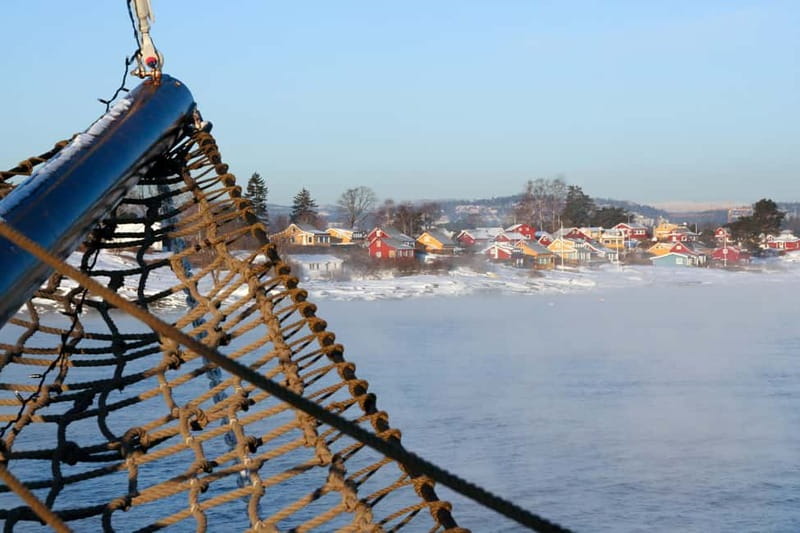
The heart of this cruise is the way it shows Oslo from water-level: you move through narrow sounds, pass sheltered bays, and weave past a maze of islands with tiny summer houses. That pattern—quiet shoreline one minute, open fjord the next—is what makes the Oslo waterfront feel more intimate than it does from a bus window.
You also get a string of landmarks that help you connect the city to its geography:
- You pass Hovedøya and the Dyna Lighthouse, both classic points that make the islands feel real, not just scenery.
- You glide by the Oslo Opera House, a major architectural landmark tied to Norwegian National Opera & Ballet.
- You pass the area connected with the new Munch Museum as the shoreline shifts toward the city’s cultural stretch.
The photo opportunities are one of the best reasons to do this cruise. From the sea, you see waterfront angles that you cannot replicate from land: curved shorelines, layered buildings, and island textures that look almost model-perfect in good light. In grey weather, the water still does something magical—reflections soften the harshness and your silhouettes become the story.
Practical tip: plan your camera handoff. With a cruise this short, you will have a few key sight windows. Do not try to shoot everything at once; pick 2–3 moments (Opera House, island cluster, then the Bygdøy side if you’re hopping off) and stay ready.
The Bygdøy museum island hop-off: use your time like a local
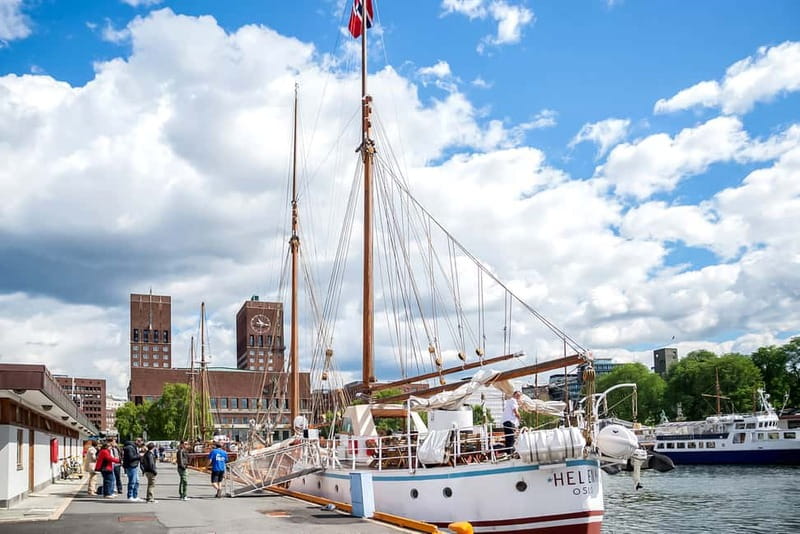
Here’s the part that turns a “nice cruise” into a stronger Oslo plan: you have a hop-off–hop-on option at Bygdøy (the museum island) around 12:20, and you rejoin around 14:50. That gives you time to step on land and match the fjord views with Oslo’s museum peninsula.
Bygdøy is where the city concentrates cultural sites and seaside strolling. The peninsula is also known for beaches such as Huk, so even if you do not hit a museum, you can still walk and breathe.
If you do museum hopping, these are the big draws you’ll see emphasized from the dock area:
- Maritime Museum: you can spot veteran sailing ships moored outside, which is a fun payoff because you’ve just been learning from the water.
- Fram Museum: it houses the polar ship Fram, one of Norway’s most famous exploration stories.
There’s also a Folk Museum nearby, and it’s the kind of stop people often pair with Bygdøy time because it fits the theme of maritime roots and Norwegian culture. Still, do not over-plan. Even with a couple of hours ashore, museum time adds up fast. If your goal is to really see one site, go that route. If your goal is quick sightseeing plus one exhibit, pick the museum that matches your interests and let the rest go.
The main downside isn’t the cruise—it’s the clock. In winter, cold hands and faster foot traffic can make walking feel longer than it is. In other seasons, the issue is different: you may want to explore more than the time allows. Either way, treat Bygdøy as a targeted stop, not a full museum day.
Onboard comfort: blankets, toilets, and where the warmth actually is
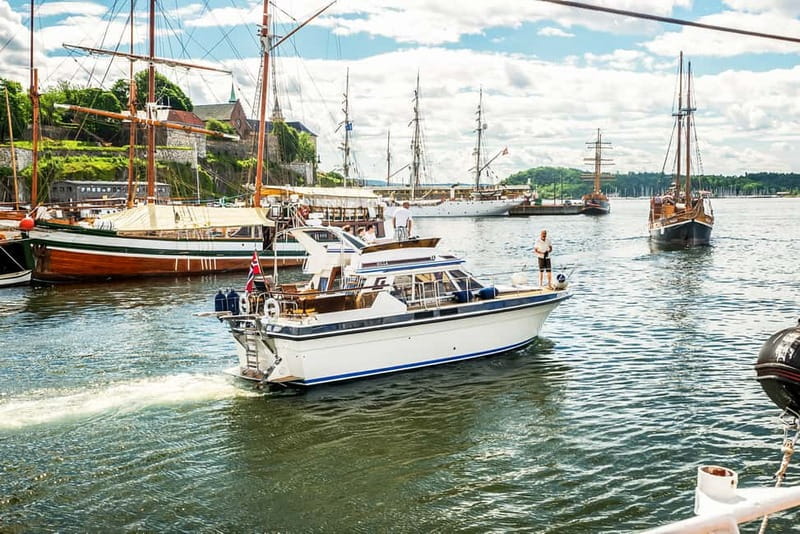
This is a small ship experience, and that’s why comfort details matter. The ship includes a heated main deck and warm blankets. If you’ve ever been on a boat where the wind wins, you’ll appreciate this.
You also get an onboard toilet, which sounds basic until you’re freezing and trying to plan bathroom timing mid-route. The onboard setup includes a bar, and you can purchase refreshments during the cruise. The bar is useful in two ways:
1) You can warm up with hot drinks when the wind cuts through.
2) You can keep the pace relaxed, since food and drinks are available without you changing your plan.
From the onboard options listed, you’ll see classic drinks like beer, cocktail, coffee, spirits, tea, and wine available for purchase. People also mention cozy hot drink moments in cold or wet weather—so even if the sky is doing its best impression of Oslo rain, the ride usually stays enjoyable.
One more practical note: this is not a silent, sit-and-stare cruise. The experience comes with narration support (more on that next), and the crew atmosphere can help you feel like you’re traveling with people rather than passing through a checklist.
Language support: app in 13 languages and onboard English audio
If you like knowing what you’re looking at, this cruise helps. You get a fjord sightseeing app with 13 languages, including Spanish, Italian, French, German, and others (Arabic, English, Portuguese, Turkish, Chinese, Japanese, Korean, Dutch, and Russian are also listed). The app is called Oslo Fjord Guide, and you can find it in the App Store or Google Play.
If you cannot download, you’re not stuck. Guests also receive information in English through the speakers on board. That means you can still enjoy the route even if you arrive with low battery or no signal.
The practical win here: language support makes this feel flexible. You can follow along in your own language while still keeping your attention on the sea views. For a 2-hour activity, that matters because you do not have time to be lost.
Price and value: what $39 buys you in Oslo time
At about $39 per person for a 2-hour cruise, the value is really about what you’re buying: time efficiency plus the right kind of views. If you’ve got limited time in Oslo, seeing the fjord and the key shoreline landmarks from the water is one of the fastest ways to build context for the city.
You’re also not just paying for movement. You’re getting:
- an authentic sailing ship style experience,
- heated comfort plus warm blankets,
- restroom access,
- narration support (app + onboard English audio),
- and the optional chance to turn it into a sea-and-museum visit via Bygdøy hop-off.
The trade-off is that this is not a long cruise, and Bygdøy time is limited. You can absolutely get good value with smart choices:
- If you want a quick fjord highlight: stay onboard and enjoy the loop.
- If you want culture too: hop off and pick one museum target rather than racing between several.
If you’re traveling as a couple, the price is easier to justify because you can settle into a relaxed pace. If you’re traveling with kids, this kind of boat experience often wins just because it feels different than a typical sightseeing stop—and the blankets help keep it from turning into a miserable endurance test.
Should you book this Oslo Fjord sailing cruise?
I’d book it if you want an easy, scenic Oslo activity that fits a tight schedule and still feels special. The heated deck, warm blankets, and route through islands and landmark shorelines make it a strong pick in shoulder season and winter, not just on perfect summer days.
Skip it or change your expectations if you’re hoping for a long museum day. The Bygdøy hop-off option is great, but the window is short—so plan like someone who likes choices, not someone who tries to do everything.
If you do book, aim to arrive early for seating, dress for wind, and decide in advance whether you’re doing onboard sightseeing only or using Bygdøy for one main museum goal.
FAQ
How long is the Oslo Fjord sightseeing cruise?
The cruise lasts about 2 hours.
Where do I meet the tour for boarding?
You meet at Rådhusbrygge 3, the Oslo City Hall pier area (pier 3). Look for the Oslo Sightseeing Fjord Cruise sign above the provider kiosk.
Is the boat heated?
Yes. The main deck is heated.
Are warm blankets provided?
Yes. Warm blankets are included.
What is included besides the cruise itself?
You get a round-trip sightseeing cruise on an authentic sailing ship, plus crew, a bar onboard, a toilet onboard, and an audio guide via speakers in English. The fjord sightseeing app with 13 languages is also included.
Is there a hop-off option at Bygdøy?
Yes. You can hop off at Bygdøy around 12:20 and rejoin around 14:50.
Are museum tickets included?
No. Museum tickets are not included in the fjord sightseeing ticket.
Can I bring drinks with me?
No. Drinks are not allowed, but refreshments are available to buy from the onboard bar.
What language options do I get?
The onboard speaker audio is in English, and the included app offers 13 languages such as Spanish, Italian, French, German, and more.
What should I wear for the cruise?
Bring warm, weather-appropriate outdoor clothing.
Will the tour run in winter if the fjord is frozen?
If the fjord is frozen, the tour will be cancelled free of charge.