REVIEW · AKAROA
Sailing and Wildlife Tour Akaroa Fox II Sailing
Book on Viator →Operated by Fox 2 Sailing Adventures · Bookable on Viator
Dolphins and a 100-year-old sailboat—sign me up. This trip is built around the Fox II, a vintage wooden ketch that’s over 100 years old, plus the chance to see Hector’s dolphins and other protected wildlife from the water. One note: sightings aren’t guaranteed on every sailing, and wildlife can be elusive on a given day.
I really like that this is a half-day eco-friendly sailing outing that leaves time for the rest of Akaroa and the Banks Peninsula area. The boat glides quietly, and you’re not there to chase animals—you’re there to watch them in their natural space.
You’ll start and finish at Daly’s Wharf, and the full loop takes about 2 hours 45 minutes. Expect two main moments: a stop tied to the original Akaroa Heads lighthouse history, then time on and around the harbor and nearby waters looking for marine life.
In This Review
- Key things that make Fox II’s Akaroa wildlife sail special
- Fox II sailing: the vintage wooden boat that changes the vibe
- Daly’s Wharf to Akaroa Harbour: what “2 hours 45” feels like
- The first stop: the Akaroa Heads lighthouse story (built 1880, moved 1980)
- Wildlife time around Akaroa: dolphins, seals, penguins, albatross
- The dolphin reality check (and how to make peace with it)
- Seals and penguins: what to watch for
- Sailing with quiet power: turning off the noise helps your odds
- Captain Roy and the stories that make the scenery stick
- Views of Banks Peninsula: scenery that pairs with wildlife
- Price and value: why $89.98 can be reasonable in this setting
- Is it private? Shared sailing, plus an option to go exclusive
- Who should book this sailing and wildlife tour
- Quick practical tips before you go
- Should you book Fox 2 Sailing Adventures?
- FAQ
- How long is the sailing and wildlife tour?
- Where does the tour start and end?
- How many people are on the boat?
- What wildlife might I see during the trip?
- Is this an eco-friendly wildlife experience?
- Is the tour weather dependent?
- Is there free cancellation?
- Does the tour use a mobile ticket?
- Is it private?
Key things that make Fox II’s Akaroa wildlife sail special
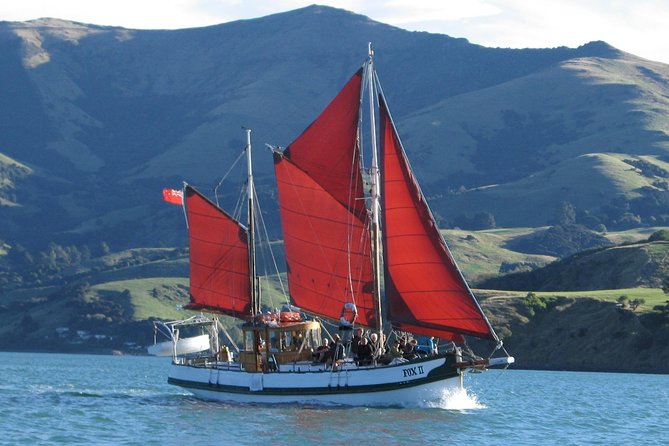
- Fox II is a working classic: over 100 years old and built from wood, with a true old-school sailing feel
- Hector’s dolphins in Akaroa waters: a rare chance in a protected habitat
- Wildlife watching without pressure: quiet sail power and a calmer approach to animals
- Banks Peninsula views + harbor time: scenery plus wildlife, not one or the other
- Small-group format: maximum of 30 travelers, so it stays manageable
- A history stop you can point at: a lighthouse structure with Akaroa Heads connections
Fox II sailing: the vintage wooden boat that changes the vibe
The star here is the ship itself. Fox II is a wooden sailboat that’s more than a century old, and it’s one of New Zealand’s oldest working ketch boats. That matters because you feel it in how the trip moves: less like a fast motor excursion, more like a real sailing day.
And it’s not just for looks. The quiet approach is part of the whole wildlife goal. When you reduce noise and sudden disturbance, you give yourself a better chance at longer, calmer viewing time—especially with marine animals that can spook or slip away.
This is also the kind of boat where the crew’s narration lands better. You’re not staring at screens; you’re looking at coastline, harbor edges, and water movement while the captain ties together what you’re seeing with local context.
Daly’s Wharf to Akaroa Harbour: what “2 hours 45” feels like
The timing is built for balance. The sailing runs about 2 hours 45 minutes, and it’s framed as a half-day option—so you don’t lose your entire day to water time.
You meet at Daly’s Wharf in Akaroa and the activity ends back where it starts. That’s practical: you avoid complicated shuttles or last-mile logistics in town.
Also, it’s capped at 30 travelers, which changes the experience compared with giant tour boats. You still get a group atmosphere, but you’re not packed in a way that blocks your sightlines or turns it into a cattle call.
If you’re planning other things the same day, this is the sweet spot. You can do lunch, a short walk, or another Akaroa activity before or after, without feeling rushed.
The first stop: the Akaroa Heads lighthouse story (built 1880, moved 1980)
One of the most interesting parts of the route is the historical stop tied to the lighthouse past. You’ll visit a structure that was built in 1880 and moved to this site in 1980. It’s connected to the original lighthouse from Akaroa Heads.
Why this matters in a wildlife sailing tour is simple: it breaks up the trip and gives your eyes a second job. One minute you’re watching birds and water behavior; the next minute you’re orienting yourself with a piece of maritime heritage that helps explain why this harbor and coastline matter.
If you like places where local stories have physical anchors—structures you can actually see—that lighthouse stop is a big plus. It’s also a nice change of pace when you want a moment on land or a clear view point before the boat heads deeper into the water-focused segment.
Wildlife time around Akaroa: dolphins, seals, penguins, albatross
This tour’s central promise is close wildlife viewing, and Akaroa is a real reason to believe in it. The goal is to spot rare and protected wildlife in its natural habitat, with a calmer, no-chase approach.
Here’s what you should keep on your mental checklist for the harbour and nearby waters:
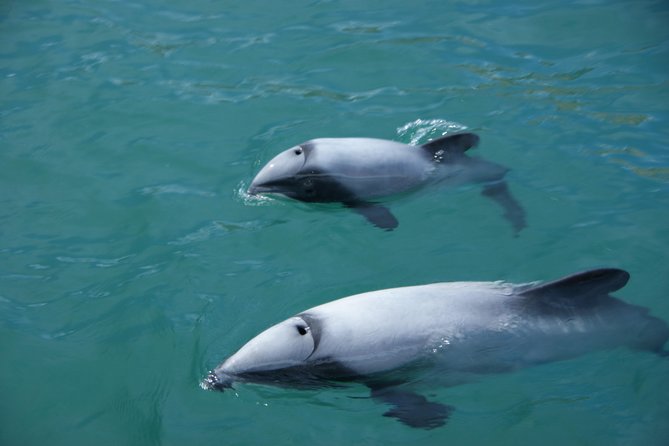
- Hector’s dolphins (the big draw in Akaroa)
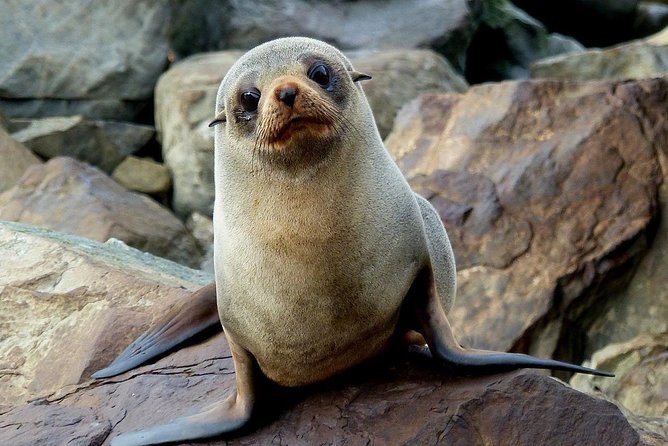
- New Zealand fur seals
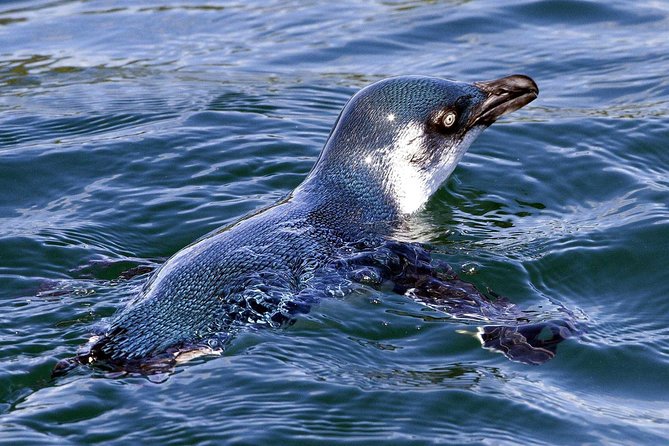
- Little blue penguins
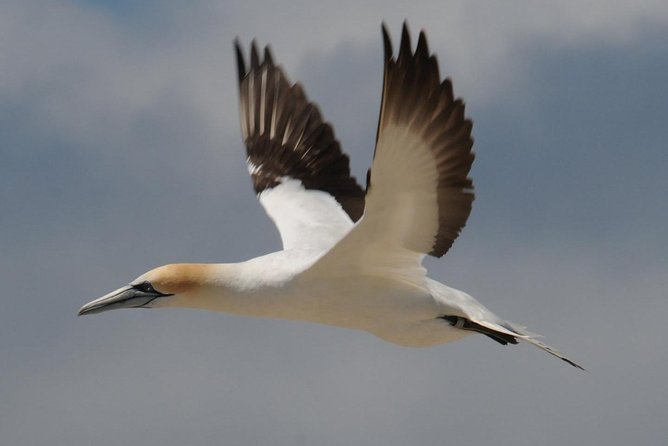
- Albatross
You’ll also spend time looking over Akaroa Harbour and the surrounding animal activity. The captain and crew narrate what you’re seeing so you’re not just hoping for luck—you’re learning how to read the water.
The dolphin reality check (and how to make peace with it)
Even on a perfect sailing day, wildlife isn’t a vending machine. One highlight theme in the feedback is how amazing the encounter can be when the dolphins are cooperative. But there’s also a clear understanding that on some outings the dolphins can be harder to find.
So here’s the practical mindset I’d use: treat dolphin sightings as the bonus. You’re still going for dolphins plus a full, enjoyable sailing and wildlife-focused journey. If you go in expecting a guaranteed dolphin close-up, you’re more likely to end up disappointed.
Seals and penguins: what to watch for
Seals often give you good viewing because they’re more likely to haul out or keep a visible presence near the water. Penguins are different: they can be harder to spot and may require patience. The upside of this tour format is that you’re on the water with eyes scanning from multiple angles, guided by the crew’s knowledge of local patterns.
And if you’re lucky, you may even see smaller “seal pup” moments. That kind of sight feels special because it’s not a planned performance—it’s wildlife behaving like wildlife.
Sailing with quiet power: turning off the noise helps your odds
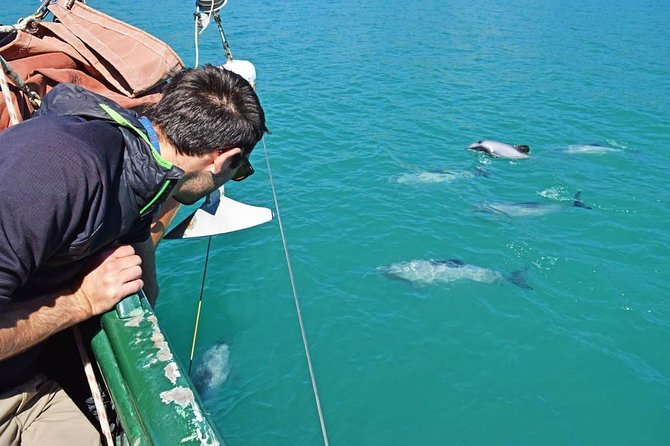
A big part of the experience is the way the boat sails. The trip is designed to be calm, and you’ll have stretches where the sailing feel is the main event, not engine sound.
That matters for two reasons:
- Quiet sailing supports the eco-friendly goal of not disturbing animals.
- You get a more relaxing, sensory experience—light movement, natural sounds, and better chances to stay alert to wildlife behavior.
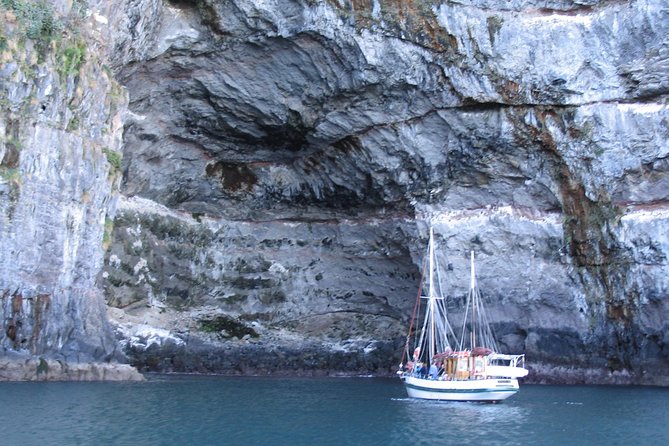
You’ll also feel the contrast between cruising in harbor areas and opening out toward the water. On some departures, the captain may range out beyond the harbor and explore near-coast features like small sea caves, which adds variety even if the wildlife action slows down for a moment.
Captain Roy and the stories that make the scenery stick
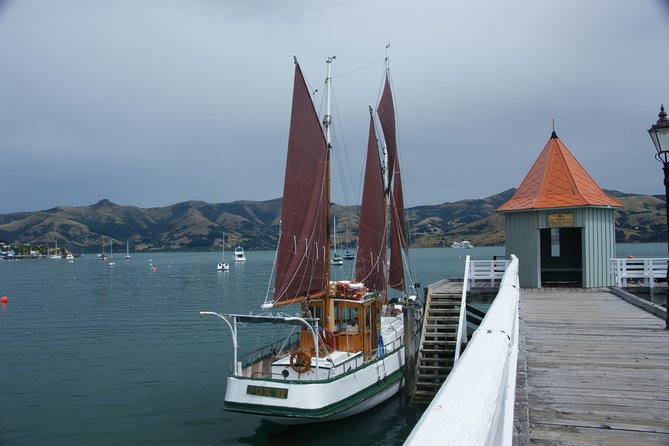
The narration is a big deal on this tour. The captain’s role isn’t just safety talk and directions; it’s turning the trip into a guided understanding of place.
Captain Roy is specifically mentioned as friendly and informative, with commentary that connects local history and the wider environment. That storytelling can make your photos better too, because you’re not just capturing what looks pretty—you’re capturing what it means.
There’s also a standout detail: you may hear that Peter Blake once owned the yacht. That kind of connection adds personality to the boat and makes the sailing feel like more than a generic wildlife outing.
And on top of all that, there’s a human element. Even when conditions limit wildlife, a good captain keeps the trip moving and gives you something useful to pay attention to.
Views of Banks Peninsula: scenery that pairs with wildlife
You get to look out over Banks Peninsula and the Akaroa setting while scanning for birds and marine life. That pairing is what makes the trip more than one long waiting game.
When wildlife pops up, the payoff is obvious. But when sightings take longer, the scenery keeps the time enjoyable. You’re still outside, still seeing the coast from a boat angle that you simply can’t replicate from shore.
The best part is that the views aren’t separate from the wildlife goal. You’ll often get the sense that the captain is working the route based on where animals tend to appear—so the scenery becomes part of the search, not a distraction from it.
Price and value: why $89.98 can be reasonable in this setting
At $89.98 per person for about 2 hours 45 minutes, this is priced as a mid-range day experience rather than a budget add-on.
The value comes from the mix:
- a vintage wooden working boat (Fox II)
- a dedicated wildlife-focused route (Hector’s dolphins, fur seals, little blue penguins, albatross)
- guided narration tied to local history and what you’re seeing
- a shared group size limited to 30 travelers
If you’re comparing it to shorter cruises that only circle the harbor or to wildlife trips without proper guidance, the price starts to make more sense. You’re paying for the combination of sailing + wildlife + interpretation, not just time on the water.
If you’re strict about dolphin-watching, keep your expectations flexible. You might have a day where dolphins are active and the trip feels like a jackpot. You might not. The good news is that even in lower-wildlife days, you still have an enjoyable sailing outing with strong place context.
Is it private? Shared sailing, plus an option to go exclusive
This is generally a shared experience with up to 30 travelers, so it’s not private in the usual sense.
If you want exclusivity, the provider indicates they offer private tours starting around $500 per trip for 2–6 people (offered after regular trips). That’s the route to choose if you’re traveling as a small group and want a quieter, more tailored experience.
Who should book this sailing and wildlife tour
This is a strong fit if you:
- want a half-day activity that combines sailing and wildlife
- care about wildlife watching that aims not to disturb animals
- like guided narration tied to where you are
- want an Akaroa outing that’s close to Christchurch logic (an easy day trip)
It’s also a good family option because the format is simple: meet at the wharf, sail, look for animals, return to the same spot.
If you’re the type who needs guaranteed dolphin sightings, you’ll want to temper expectations. Wildlife has its own schedule. But if you’re okay with “chance for dolphins plus a real sailing day,” you’re likely to enjoy it.
Quick practical tips before you go
- Dress for changeable conditions. You’re on the water, and weather can shift quickly.
- Be patient with wildlife. The best viewing often comes from staying alert and letting the captain work the area.
- Bring a warm layer even in mild weather. Wind on the water can cool you faster than you’d expect.
- Arrive a bit early at Daly’s Wharf. It’s straightforward, but it’s easier to settle in without rushing.
Should you book Fox 2 Sailing Adventures?
I’d book this if your goal is an Akaroa day that feels authentic: a real sailing boat, quiet wildlife watching, and a guided explanation of what’s around you. The chance to see Hector’s dolphins is the big hook, and the sailing format makes the wait (if there is one) feel like part of the experience rather than wasted time.
Skip or rethink it only if you need a private charter or if you’re unwilling to accept that wildlife sightings depend on the day. Otherwise, this hits a sweet spot: historic boat + protected wildlife + views of Banks Peninsula, all in a time box that won’t hijack your entire day.
FAQ
How long is the sailing and wildlife tour?
The tour runs about 2 hours 45 minutes (approx.).
Where does the tour start and end?
It starts at Daly’s Wharf in Akaroa and ends back at the meeting point.
How many people are on the boat?
The tour has a maximum of 30 travelers.
What wildlife might I see during the trip?
You can look out for Hector’s dolphins, New Zealand fur seals, little blue penguins, and albatross.
Is this an eco-friendly wildlife experience?
The tour is designed to keep wildlife undisturbed while you glide quietly through the water, looking for animals in their natural habitat.
Is the tour weather dependent?
Yes. It requires good weather, and if it’s canceled due to poor weather you’ll be offered a different date or a full refund.
Is there free cancellation?
Yes, you can cancel for a full refund if you cancel up to 24 hours in advance of the experience start time.
Does the tour use a mobile ticket?
Yes, it includes a mobile ticket.
Is it private?
This is generally a shared tour with up to 30 travelers. The provider also offers private tours starting at $500 per trip for 2–6 people.