REVIEW · DENIA
Denia: Sunset Electric Sailboat Cruise with Dolphin Spotting
Book on GetYourGuide →Operated by WeWhale Denia · Bookable on GetYourGuide
Silent water, then sudden breaths above the waves. I love the near-quiet electric motor and I love using the on-board hydrophone to listen for marine life while we cruise the coast at sunset. With a marine guide leading the way, you also get real context on what you might see and why respectful viewing matters out there.
One catch: the boat still works on open water. If you’re prone to seasickness, be careful. And wildlife sightings can vary with conditions, so keep your expectations flexible.
In This Review
- Key highlights you’ll feel right away
- The big idea: a dolphin-and-whale cruise that stays quiet
- Denia meeting point: Marina El Portet, Pontoon 5 (and don’t guess)
- Cruising Denia’s coast at sunset: what the route is really for
- Electric sailboat vs diesel: why the silence helps more than you think
- The main target species: bottlenose dolphins and fin whales
- Hydrophone time: turning guessing into listening
- How the guide changes the whole experience (Sophia, specifically)
- Pace and timing: 2.5 hours that won’t drag
- What’s included: drinks and snacks that keep the mood easy
- Practical rules onboard: what you can’t do (and why)
- Who this is best for (and who should think twice)
- Weather matters: when plans can change
- What to bring: the small items that make a big difference
- Price and value: is $88 fair for what you get?
- Should you book the WeWhale Denia electric sunset cruise?
- FAQ
- How long is the Denia sunset electric sailboat cruise?
- Where do I meet the tour?
- Is the boat fully electric?
- What animals are you hoping to see?
- Do I get a guide and can I use onboard equipment?
- What’s included in the price?
- Is hotel pickup included?
- Is this tour okay if I get seasick?
- FAQ
- Is smoking allowed on the boat?
- What should I bring with me?
- Can I bring food for the animals?
- How many people are in the group?
- What languages is the guide speaking?
- What happens if the weather is bad?
- Can I cancel for a refund?
- What’s the approximate price per person?
Key highlights you’ll feel right away
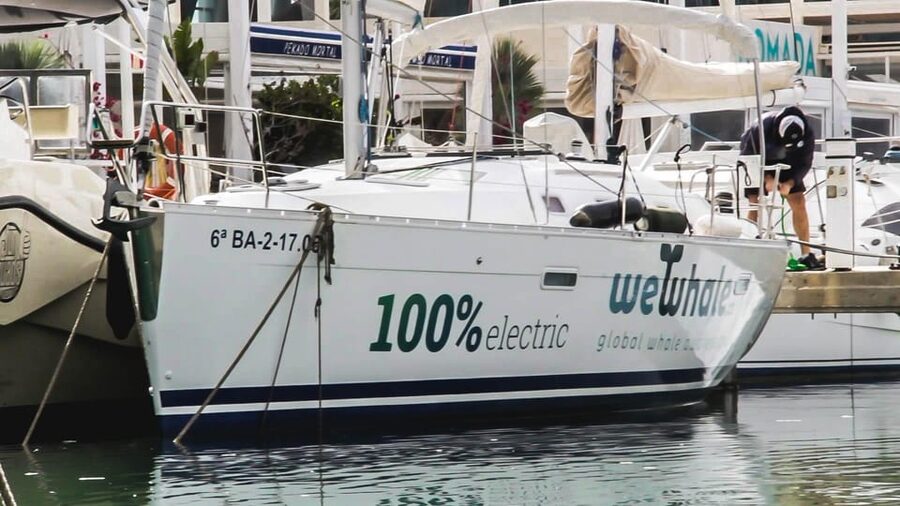
- 100% electric sailboat for a calmer, low-noise ride that helps you hear what’s going on
- Hydrophone on board so you can listen underwater while the guide explains species behavior
- Marine guide leadership with practical tips on what to look for in the Mediterranean
- Small group capped at 10 for a quieter experience and more chances to ask questions
- Sunset route from Denia toward Cabo de San Antonio with seriously good coastal views
The big idea: a dolphin-and-whale cruise that stays quiet
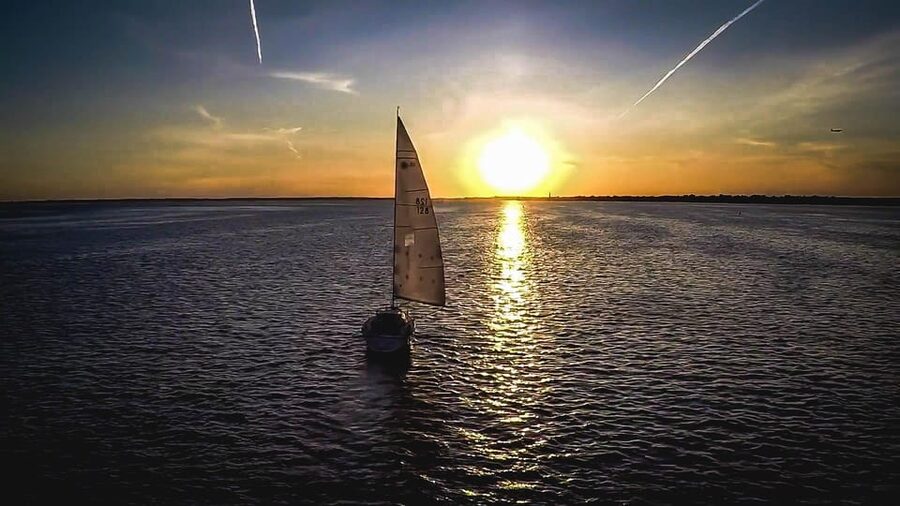
This is the kind of sea outing that feels different from the start. A 100% electric sailboat means you’re not dealing with the loud, churny sound and diesel smell that can come with other motorboats. The result is simple: the trip feels more relaxed, and your attention can stay on the water.
You’re also not just watching. You’re learning. The guide’s role is to help you make sense of what you’re seeing (or hearing), and the hydrophone adds a whole extra layer. Even if you’re not a marine expert, you can follow along fast and get why these moments are worth taking seriously.
I also like the small-group size. With a max of 10 participants, there’s more room for questions, and it feels less like you’re herded into a task. You’re out there to spot wildlife, and you’ll usually do better when the group stays calm and focused.
You can also read our reviews of more boat tours in Denia
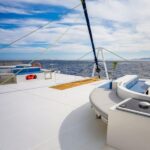
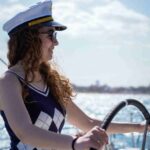
Denia meeting point: Marina El Portet, Pontoon 5 (and don’t guess)
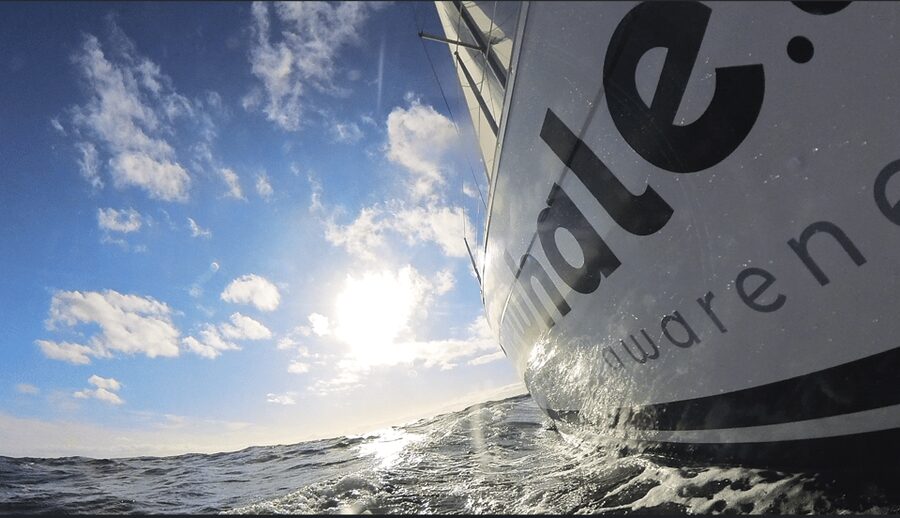
You’ll meet at Marina El Portet Denia, Pontoon 5, number 40, directly in front of the shop called ALE-HOP. That level of specificity matters because marinas can be a little maze-like, especially in late light.
No hotel pickup is included, so plan to get there under your own steam. If you’re driving, arrive early enough to park calmly. If you’re walking, give yourself extra minutes to find the exact pontoon.
Once you’re at the dock, the group process is usually smooth: you check in, get on board, and settle in before the sea part of the adventure starts.
Cruising Denia’s coast at sunset: what the route is really for
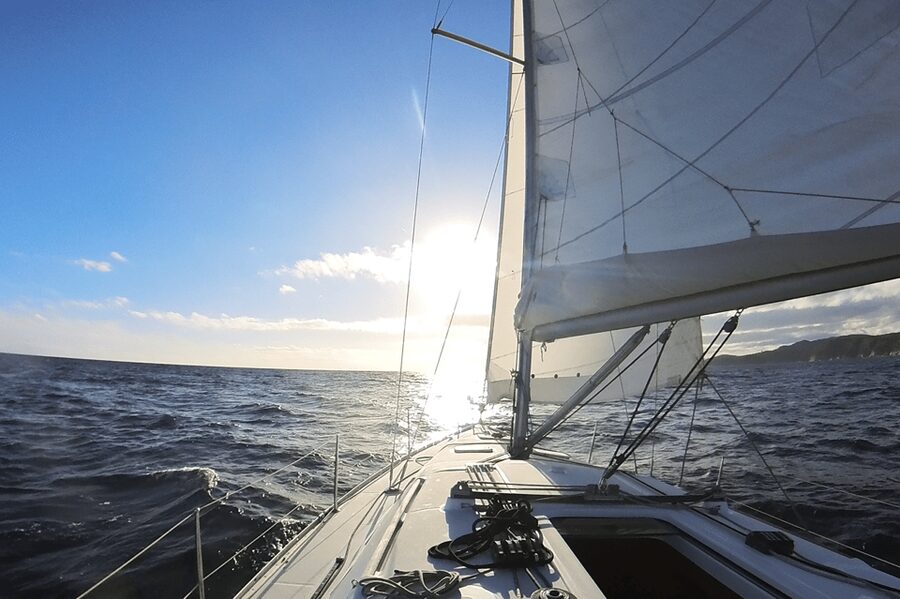
The cruise focuses on the coastline between Denia and Cabo de San Antonio. That matters because it’s not just about being out on the water. You’re traveling along a stretch where you can reasonably hope to spot dolphins and whales.
At sunset, the light is warm and the pace feels right. You’re less likely to feel rushed, and the coastal scenery becomes part of the experience. The water also tends to look nicer when the sun is low, so even if you’re staring for wildlife, you’ll also enjoy the view.
Timing is part of the value here. Two and a half hours is long enough to settle in and watch for changes on the surface. It’s not so long that you end up bored or exhausted.
Electric sailboat vs diesel: why the silence helps more than you think
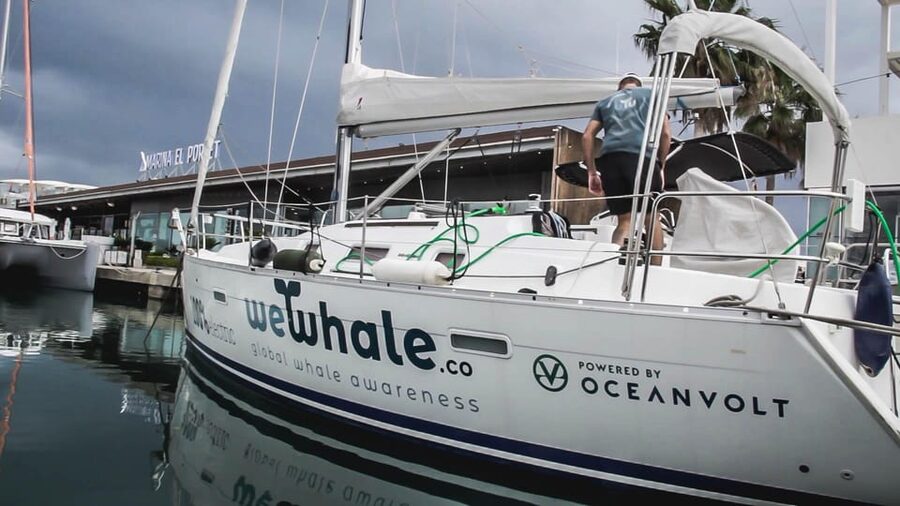
You’ll hear it before you feel it: the boat runs in a peaceful, noise-free way thanks to its electric setup. For wildlife, less disturbance can mean better chances for respectful sightings. For you, it means you can actually pay attention.
This is where the vibe improves. On a louder boat, you’re stuck fighting background noise and engine vibration. On this one, you’re more aware of the subtle stuff: small movements in the water, shifting bird activity, and that feeling that something might be happening just out of view.
And then there’s the listening tool. The trip includes a hydrophone, which gives you a more complete picture of what’s going on under the surface. It turns the cruise from visual only to sound-and-vision at the same time.
The main target species: bottlenose dolphins and fin whales
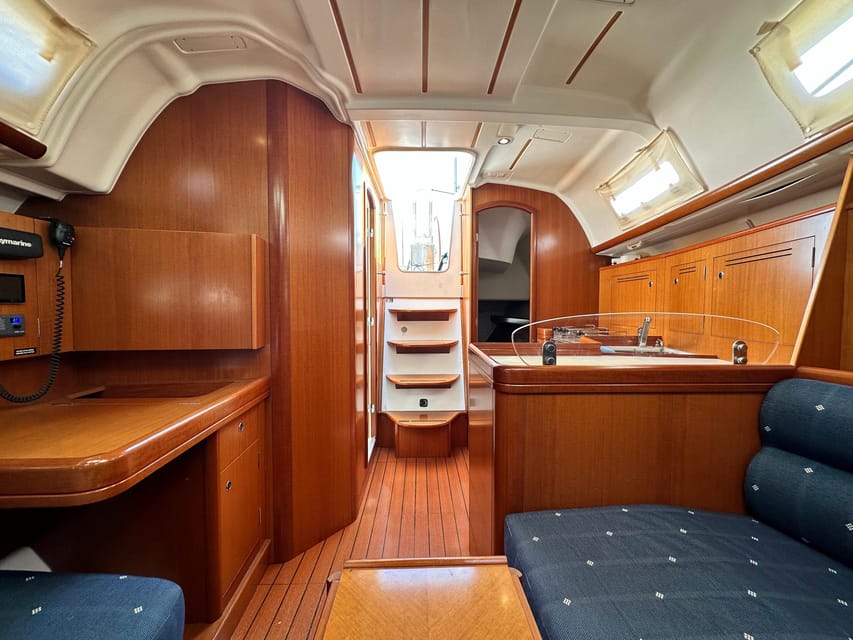
The experience is built around spotting cetaceans in the Mediterranean, with a focus on Bottlenose Dolphins and Fin Whales. You’ll learn about these types of animals and what to look for during the cruise.
Even if you’ve seen dolphins before, the guide’s explanations make the sightings more meaningful. Instead of random flashes, you start to connect body movement and behavior with species identification.
And if you do get lucky with a whale sighting, you’ll likely feel how rare that is. The best part is you’re not just watching from a distance. You’re doing it with a knowledgeable guide who helps you understand what you’re seeing in the moment.
You can also read our reviews of more evening experiences in Denia
Hydrophone time: turning guessing into listening
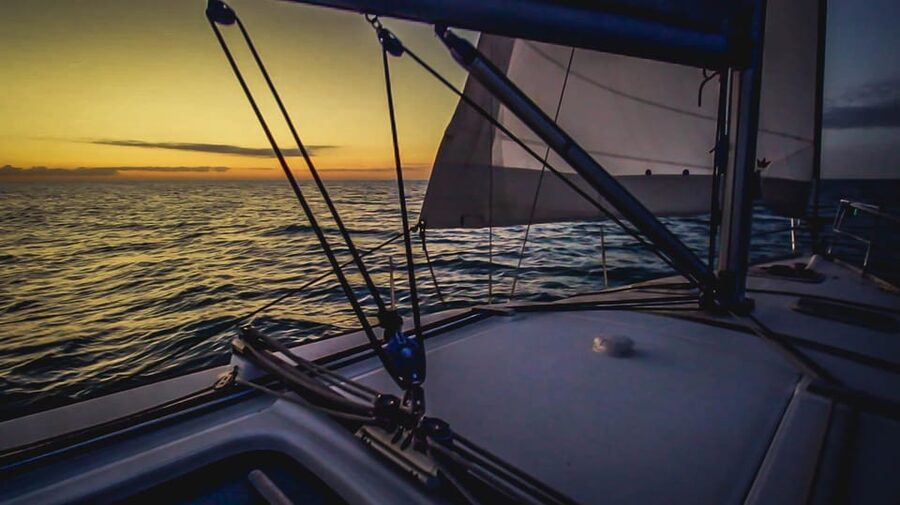
One of the most practical upgrades here is the on-board hydrophone. It’s included, and it’s designed to help you experience cetaceans in a new way.
Here’s the benefit for you: spotting wildlife at sea can be a hit-or-miss game. Sound can help you feel more connected to what the animals are doing even when they’re not perfectly visible.
The guide can help you interpret what you’re hearing and connect it back to the surface activity. It makes the cruise feel less like waiting and more like active observation.
So even if you’re not sure what you’re listening for, you’re not doing it alone. The experience is structured for first-timers, not just for hardcore marine watchers.
How the guide changes the whole experience (Sophia, specifically)
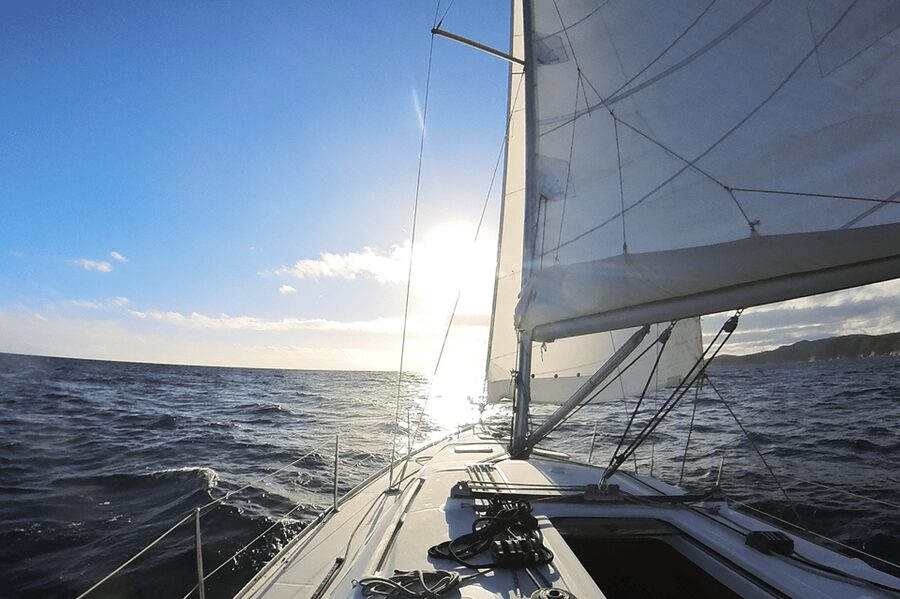
The tour is led by an expert marine guide, and one name you’ll hear often is Sophia. People consistently describe her as confident, approachable, and very attentive—especially in moments when someone needs extra care.
That human factor matters on water. A cruise can be smooth for most people and still be tough for one. If you’re sensitive to motion, having a guide who can respond calmly helps you feel supported, not left to fend for yourself.
The guide also keeps the learning part grounded. You’re not stuck with a lecture that ruins the mood. You’re getting just enough information so your scanning for dolphins and whales feels purposeful.
Pace and timing: 2.5 hours that won’t drag
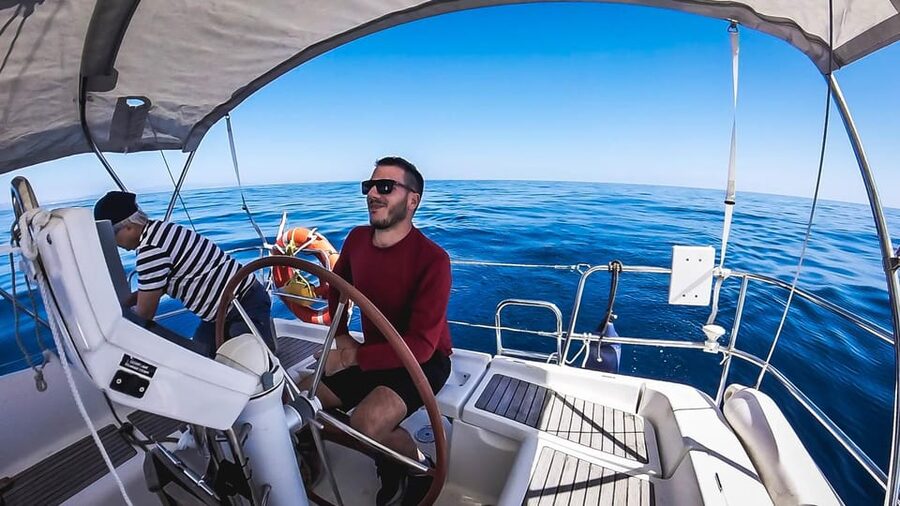
A 2.5-hour duration is a sweet spot for this kind of outing. It gives you enough time to move along the Denia-to-Cabo de San Antonio stretch, settle into observation, and use the hydrophone without feeling like the trip is a full-day commitment.
The small group helps with pacing. You don’t spend the whole time squeezed in awkward positions or waiting for instructions. You’re out on the sea doing what you came for: looking, listening, learning, and enjoying the coastline.
It’s also long enough that sunset actually feels like part of the plan, not a random bonus.
What’s included: drinks and snacks that keep the mood easy
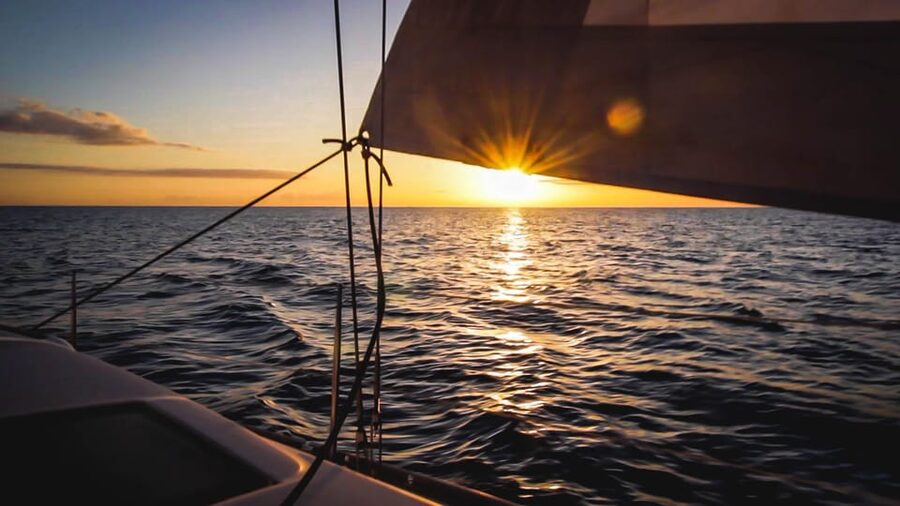
The cruise includes water, soft drinks, beer, fresh fruits, and dry fruits. That’s more than a nice extra. When you’re on a boat in cool evening air, light snacks and drinks help you stay comfortable instead of thinking about hunger halfway through.
It also supports the slower rhythm of spotting. You can focus on watching without that constant mental calculation of when you’ll eat next.
Do note: you should still bring practical sun items. The trip includes sun protection advice, and you’ll want it even if it’s close to sunset.
Practical rules onboard: what you can’t do (and why)
There are a few clear onboard rules:
- No smoking
- No littering
- No feeding animals
These are the kinds of basics that protect both the wildlife and the boat environment. Not feeding animals is especially important for cetaceans. It keeps the sighting respectful and avoids training animals to approach humans.
If you want an easy time onboard, treat these as your checklist before you board.
Who this is best for (and who should think twice)
This cruise fits best if you:
- love wildlife watching and want the chance to spot bottlenose dolphins and fin whales
- care about doing it in a quiet, respectful way
- enjoy learning with a guide, not just staring at the water
- like small-group tours that feel more personal
It’s not suitable for people prone to seasickness. That’s not a “try it and see” situation. If motion affects you, the safer move is to skip this one or choose a calmer alternative.
Also, plan for the fact that you’re traveling on the sea with an activity that depends on conditions.
Weather matters: when plans can change
This activity is subject to weather conditions and may be rescheduled or canceled if conditions turn bad. That’s normal for marine wildlife experiences. You’re not in a controlled indoor attraction, and the ocean has veto power.
If you’re booking close to a fixed schedule, keep that flexibility in mind. If you’re staying in the Denia area for a few days, it’s easier to match the cruise with the best weather window.
What to bring: the small items that make a big difference
Bring:
- Hat
- Sunscreen
Even if you’re going at sunset, you can still get sun exposure, especially along a coastal route. A hat also helps you stay comfortable while you’re watching the water for extended periods.
If you’re the kind of person who likes layers, you might want extra clothing for evening air, but the tour data only specifically lists hat and sunscreen. So treat layers as a personal comfort choice.
Price and value: is $88 fair for what you get?
At $88 per person for a 2.5-hour electric sail cruise, the price makes sense if you compare it to the full package, not just the word cruise.
You’re getting:
- a 100% electric boat experience
- a marine guide
- included hydrophone technology
- the focus on real wildlife spotting for Mediterranean cetaceans
- drinks and snacks (water, soft drinks, beer, fruit, dry fruits)
- a small group experience capped at 10
So you’re paying for both the product (the boat ride) and the added value (expert guidance plus sound tech plus a quieter environmental approach). If your priority is a simple sunset boat without interpretation, you might find cheaper options. But if your priority is wildlife learning and a calmer ride, this price starts to look like good value.
Should you book the WeWhale Denia electric sunset cruise?
I’d book it if you want a wildlife-focused sunset outing that’s quiet, guided, and equipped for learning. The electric motor and included hydrophone are the two biggest reasons this feels worth it. You’re not just hoping for dolphins; you’re prepared to observe and listen.
I would think twice if:
- you’re prone to seasickness
- you need guaranteed sightings no matter what (the ocean doesn’t work like a fixed schedule)
If you can handle open water and you like the idea of learning while you watch the coastline from Denia toward Cabo de San Antonio, this is a strong pick.
FAQ
How long is the Denia sunset electric sailboat cruise?
It lasts 2.5 hours.
Where do I meet the tour?
The meeting point is at Marina El Portet Denia, Pontoon 5, number 40, in front of the shop ALE-HOP.
Is the boat fully electric?
Yes. The experience is on a 100% electric sailboat.
What animals are you hoping to see?
The cruise focuses on dolphins and whales, including bottlenose dolphins and fin whales.
Do I get a guide and can I use onboard equipment?
Yes. You’ll have an expert marine guide, and you’ll have access to onboard technology such as a hydrophone.
What’s included in the price?
Included are the marine guide, whale and dolphin spotting, the hydrophone experience, and water, soft drinks, beer, fresh fruits, and dry fruits.
Is hotel pickup included?
No. Hotel pickup and drop-off are not included.
Is this tour okay if I get seasick?
It is not suitable for people prone to seasickness.
FAQ
Is smoking allowed on the boat?
No, smoking is not allowed.
What should I bring with me?
Bring a hat and sunscreen.
Can I bring food for the animals?
No. Feeding animals is not allowed.
How many people are in the group?
It’s a small group, limited to 10 participants.
What languages is the guide speaking?
The live guide speaks English and Spanish.
What happens if the weather is bad?
The activity is subject to weather conditions and may be rescheduled or canceled if conditions are poor.
Can I cancel for a refund?
Yes. You can cancel up to 24 hours in advance for a full refund.
What’s the approximate price per person?
The price is listed at $88 per person.