REVIEW · MALLORCA
Mallorca: Glass-Bottom Catamaran Along the East Coast
Book on GetYourGuide →Operated by Moonfish Catamaran · Bookable on GetYourGuide
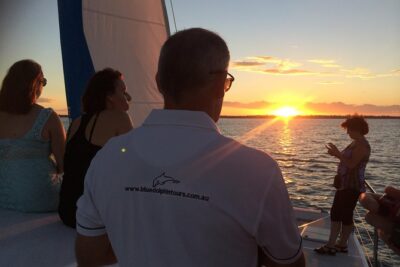
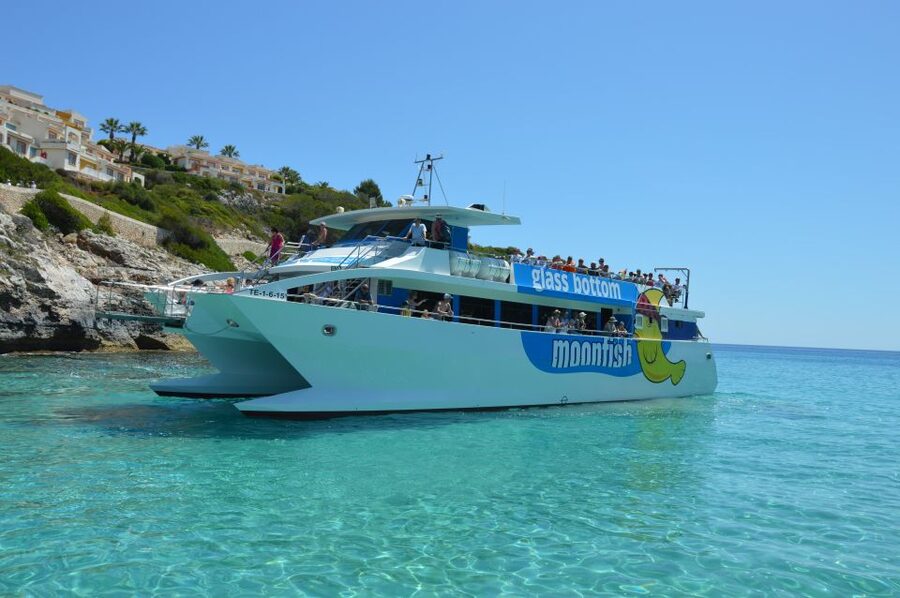
When the boat tilts, you see the fish first. This glass-bottom catamaran turns Mallorca’s east coast into a live underwater show, with cave entrances and crystal-clear swim stops built into the route. The only real catch is that the narration and timing can feel a bit hit-or-miss depending on the sailing, so plan to enjoy the scenery more than the commentary.
I like that you can choose a north or south route (and a departure point), which changes which beaches and coves you see. I also like the practical vibe: you’re out on the water for about 2.5 to 3 hours, so it fits easily between beach time and dinner. Just note the swim time depends on sea conditions, and if you get seasick, this catamaran won’t be your best match.
In This Review
- Key things to know before you go
- Glass-Bottom Catamaran Views: What Makes This Ride Worth It
- Picking Your Route: Porto Cristo, Cala Millor, Cala Bona, and Sa Coma
- Porto Cristo departures: longer north end or shorter loop
- Cala Millor departures: a classic pass-by route to Cala Varques
- Cala Bona departures: east coast variety with a Punta de n’Amer link
- Sa Coma departures: full east-coast sweep with caves
- Calas de Mallorca departures: Levante beaches with two swim stops
- The Caves and Beach Stops: What You’ll Actually Do
- The cave visits: small entrances, big effect
- Cala Varques area: the signature swim location
- Cala Morlanda: the return-trip water time
- Swim Stops in Real Life: Weather, Safety, and Timing
- What the Glass Bottom Adds (and When It Won’t)
- Price and Value: Is $36 Worth a 2.5–3 Hour Cruise?
- Comfort Notes: Who Will Enjoy It Most
- Should You Book the Mallorca East Coast Glass-Bottom Catamaran?
- FAQ
- FAQ
- How long is the catamaran cruise?
- Where does it depart from?
- How many times do you get to swim?
- Does the tour include food and drinks?
- What’s included in the ticket price?
- Is the swim stop guaranteed?
- Is it wheelchair accessible?
Key things to know before you go
- Glass-bottom viewing makes the underwater route the main event, not an afterthought
- Caves and coves along the Levante give you variety without planning a whole day
- Multiple route options mean you can match the itinerary to where you’re staying
- Swim stops are weather-dependent so bring a backup mindset
- Not all piers work well for mobility needs (it depends where you depart)
- The crew handles multiple languages, so guidance is usually easy to follow
Glass-Bottom Catamaran Views: What Makes This Ride Worth It
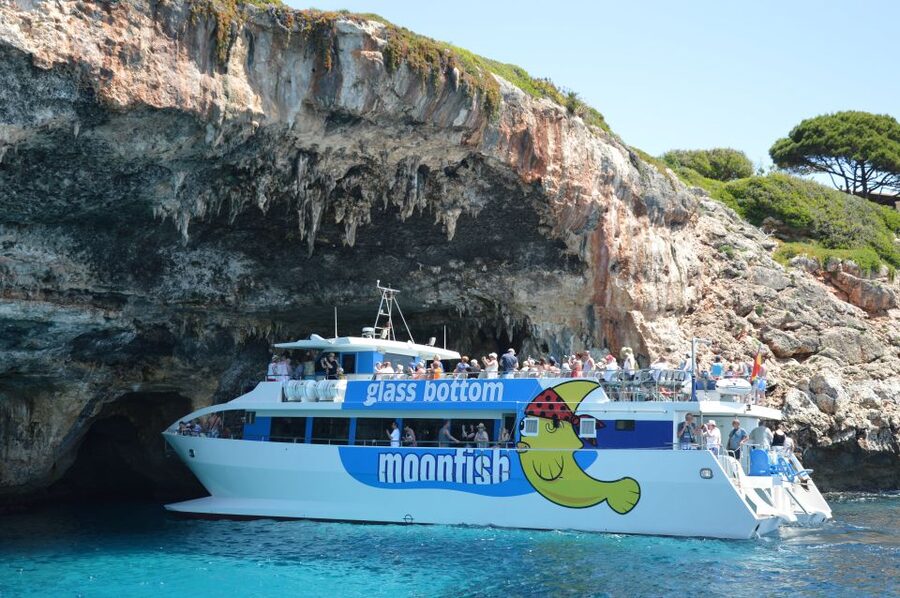
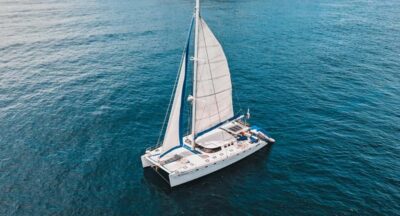
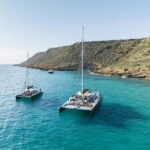
This is a simple idea done well: you cruise the Mallorca east coast on a catamaran, then use the glass-bottom sections to look straight down at the seabed. When the boat glides over shallow water, you can actually track movement below—small fish, rocky patches, and sand patterns. It’s not just pretty for photos; it makes the coast feel more real because you’re seeing what’s underneath as you pass.
The other big payoff is that the route focuses on coves and small coastal pockets, not big harbors. That’s why you’ll keep spotting tight shorelines, pale sand arcs, and dramatic rock formations. Mallorca has plenty of coastline, but this itinerary steers you toward the parts that feel made for water time.
You should also know that the underwater experience depends on conditions. On a calm day, visibility can be excellent. On choppier water, the experience shifts from crystal-clear watching to more casual viewing. Either way, the boat’s design is the star.
You can also read our reviews of more boat tours in Mallorca

Picking Your Route: Porto Cristo, Cala Millor, Cala Bona, and Sa Coma
One reason this tour is good value is that you’re not stuck with a single one-size-fits-all loop. Different departure points create different combinations of bays and caves, and that changes what you’ll remember most.
Here are the main route styles you’ll see:
Porto Cristo departures: longer north end or shorter loop
- From Porto Cristo at 9:30 you’re looking at the longer outing (about 3.5 hours). You’ll navigate toward Cala Bona, then return for a mix that includes virgin caves and the famous Cala Varques, plus time to bathe when conditions allow.
- From Porto Cristo around 13:00 is the shorter option (about 2.5 hours). It heads to Cala Bona and back, returning by 3:30 p.m., with a swim stop on the way back in Cala Morlanda if the sea cooperates.
Why it matters for you: if you want more time on the water and more chances at “wow” scenery, Porto Cristo’s longer sailing is the safer bet.
Cala Millor departures: a classic pass-by route to Cala Varques
- From Cala Millor at 10:30 (about 3 hours roundtrip): you pass sa Coma, Porto Cristo, Cala Romantica, the Pirate Cave, and then head to Cala Varques. There’s a swim stop in the Cala Varques area if conditions permit, plus small-entrance cave visits.
- From Cala Millor at 13:45 (about 2.5 hours): you go toward Cala Bona, sa Coma, and Porto Cristo, with navigation that includes the Punta de n’Amer natural area. On the return, there’s typically a swim stop near Cala Morlanda if weather allows, and you’ll visit a cave with a small entrance.
Why it matters for you: Cala Millor is a great starting point if you’re staying in the busier resort zone and want a coast-focused cruise without driving. It also tends to include the Pirate Cave in the itinerary.
Cala Bona departures: east coast variety with a Punta de n’Amer link
- From Cala Bona at 10:15 (about 3 hours roundtrip): you’ll pass sa Coma, Porto Cristo, Cala Romantica, the Pirate Cave, and then to Cala Varques. There’s a swim stop near Cala Varques when conditions permit, plus multiple cave entrances.
- From Cala Bona at 14:00 (about 2h15 roundtrip): you navigate through Cala Millor, sa Coma, and Porto Cristo, with the Punta de n’Amer natural area included. The itinerary includes a cave with a small entrance, and a swim stop in Cala Morlanda if the sea is calm.
Why it matters for you: Cala Bona is also one of the departures with easier wheelchair access, which can make planning simpler if mobility is a factor.
You can also read our reviews of more sailing experiences in Mallorca




Sa Coma departures: full east-coast sweep with caves
- From Sa Coma at 10:00 (about 3.5 hours roundtrip): you pass Cala Bona/Millor, Porto Cristo, Cala Romantica, the Pirate Cave, and continue to Cala Varques. Expect a swim stop in the Cala Varques area if conditions permit, and multiple cave entrances.
Why it matters for you: if you want the longest option that still feels like a day-off-the-beach activity, Sa Coma’s route is built for it.
Calas de Mallorca departures: Levante beaches with two swim stops
- From Calas de Mallorca at 14:00: this is a roundtrip to Porto Cristo and back, with visits to the Mallorcan Levante beaches such as Cala Varques, Cala Virgili, Cala Magraner, and Cala Romantica. You’ll typically get two swim stops—one on the way and one on the way back—plus cave visits that may include the Pirate’s Cave.
Why it matters for you: two swim opportunities can be a big deal if you’re traveling with kids or you just want more water time without committing to a full day.
The Caves and Beach Stops: What You’ll Actually Do
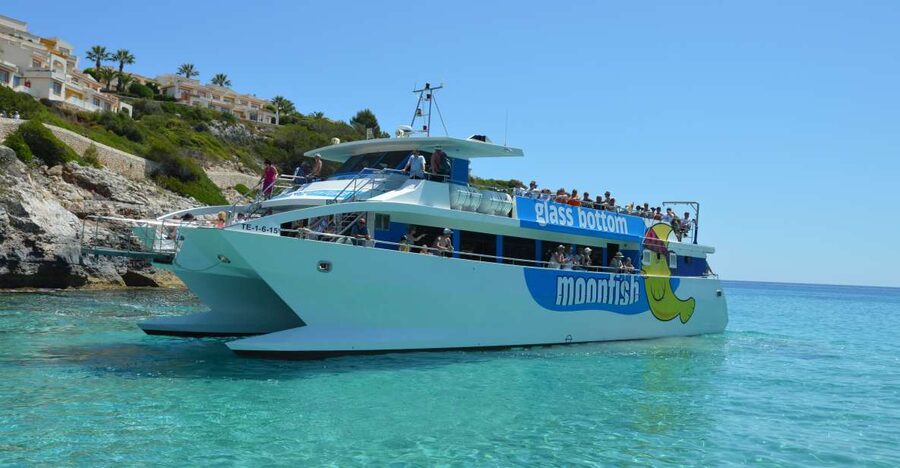
A big part of the fun here is that the tour isn’t only “see from the deck.” You get both navigation past coves and actual time in the water when the sea allows.
The cave visits: small entrances, big effect
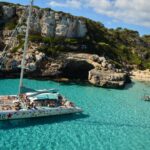
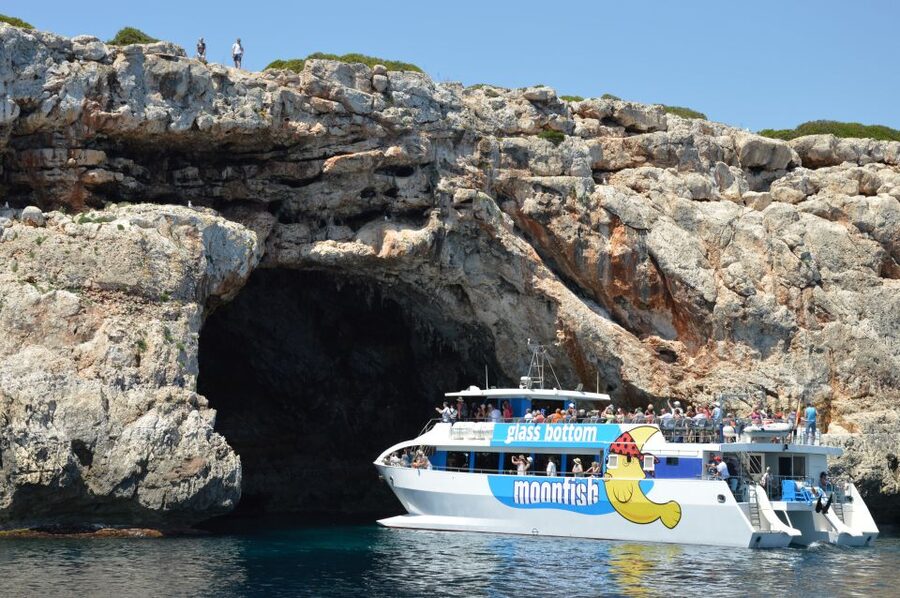
Expect several caves during the cruise, and in many parts of the route the boat makes a small entrance. This is the difference between a quick pass-by and the feeling you’re slipping into a quieter pocket of coast. You also get more dramatic views from the shoreline as you approach, especially near places like Cala Romantica and the Pirate Cave area.
What to watch for: the moments when the boat slows and you get a better angle down at the water. Those are usually your best opportunities for the underwater view, too.
Cala Varques area: the signature swim location
Cala Varques shows up across multiple departure points. It’s one of the most frequently mentioned areas for the swim stop and is often paired with cave entrances. If your sailing includes a swim stop here, plan to treat it like the main event.
From a practical angle, the best time to swim is when the crew gives the go-ahead. Don’t rush; listen for instructions and give yourself a minute to get comfortable with the steps and entry.
Cala Morlanda: the return-trip water time
Cala Morlanda is another common swim stop, especially on shorter loops that return to your start point. It can feel like a second chance for a swim even if your route is only about 2.5 hours.
If you’re the type who likes to keep your plans flexible, this is good. You can use the cruise for sightseeing first, then add water time without needing to find a beach afterward.
Swim Stops in Real Life: Weather, Safety, and Timing
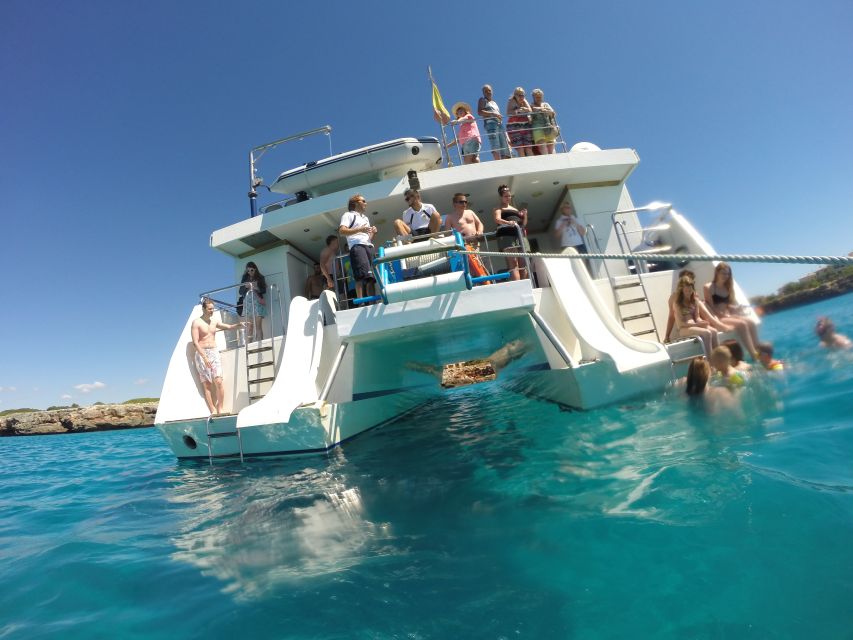
The swim stop depends on sea conditions. That means your schedule can feel slightly different day to day, even if the route sounds the same on paper. If it’s choppy, you might get a different stop or a shorter window.
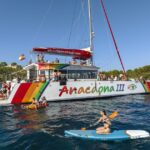
Also, the water breaks happen fast. On one sailing, I’d take extra care with the water flow because entry and exit can get hectic when multiple people jump in at once. You’ll want to follow the crew’s guidance and keep an eye on kids or anyone less confident in open water.
My practical advice:
Bring a swimsuit that dries quickly, use reef-friendly sunscreen if you have it, and keep valuables in a secure pocket. If you want the best glass-bottom viewing, hang toward the viewing sections before and after the swim, not only during it.
What the Glass Bottom Adds (and When It Won’t)
Let’s be honest: glass-bottom viewing is only magic if the water cooperates. On a clear day, you’ll feel like the coast is a giant aquarium. You can often spot fish right under the hull area, and the rocks and sandlines are easier to read.
On rougher water, the view becomes more about light and color than detailed spotting. Still, it’s a cool angle you won’t get from a normal deck-and-wave ride.
One small bonus I like: if you’re traveling with a phone and want photos and videos, you might be able to get a quick top-up while on board (some crews are willing to help, when they can). Don’t count on it, but it’s worth asking once you’re settled.
Price and Value: Is $36 Worth a 2.5–3 Hour Cruise?
At around $36 per person, this tour is priced like a “do it now” experience: short enough to be low-stress, and focused enough to feel like you actually toured something.
What you’re paying for:
- A catamaran ride on Mallorca’s east coast
- Guided route navigation past major coves in the Mallorcan Levante
- Swim stops (when conditions permit)
- Cave visits and small cave entrances
- Glass-bottom viewing as part of the experience
What you’re not paying for:
- Food and drinks (so plan snacks if you’ll need them)
- Transportation from your hotel (you’ll need to get yourself to the meeting point)
So for value, the key is timing. If you pick a departure that includes the swim stop(s) you want—often Cala Varques, Cala Morlanda, or both—it feels like your money turns into real time in the water, not just a coastal drive by boat.
Comfort Notes: Who Will Enjoy It Most
This is best for:
- Couples and small groups who want scenic water time without long transfers
- Families who want a swim break and an easy sightseeing route
- People who like water clarity and want to see fish from above
It’s not best for:
- Anyone who gets sea sick easily. The catamaran is still on the water, and ride comfort varies with conditions.
- Wheelchair users depending on departure pier. The tour may be wheelchair accessible at some piers (like Cala Bona and Porto Cristo), and may be more limited at others.
If you’re choosing between routes, think about your “must-see” list. If Pirate Cave and Cala Romantica matter, look for routes that mention those stops. If you want the longest outing, prioritize the 3.5-hour options from Porto Cristo or Sa Coma.
Should You Book the Mallorca East Coast Glass-Bottom Catamaran?
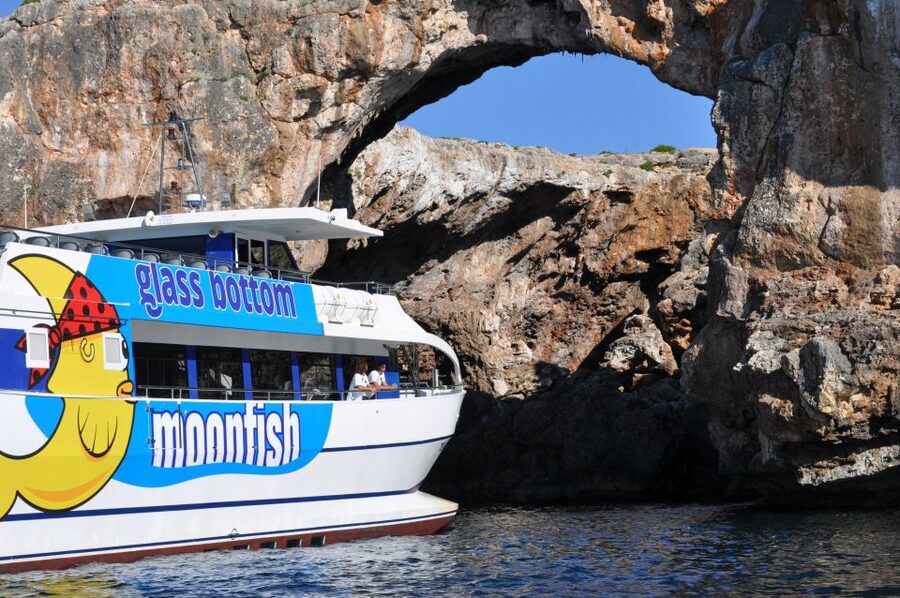
If your goal is to see Mallorca’s east coast from the water, with real swim time and an underwater view, I’d say yes—especially at the $36 price point. The route is built around coves like Cala Varques, Cala Morlanda, and Cala Romantica, and the glass-bottom setup turns that scenery into something you can look at for more than one second.
Book it if:
- You want a short, high-impact boat day
- You care about cave entrances and underwater viewing
- You’re fine with swim time being weather-dependent
Skip or choose carefully if:
- You get seasick easily
- You need strong guidance/narration more than the views (some trips can be light on detailed info)
- Mobility access is critical and your departure pier isn’t one of the more accessible ones
FAQ
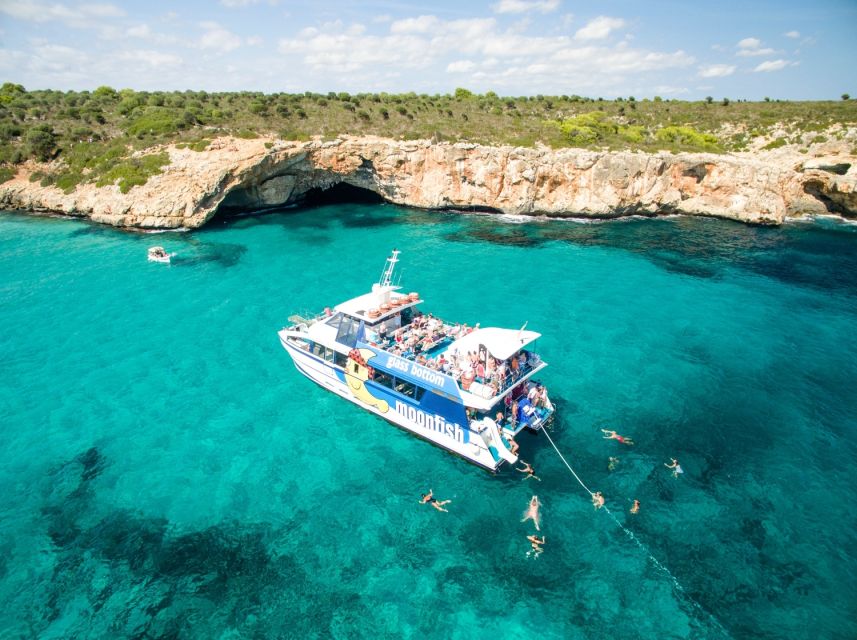
FAQ
How long is the catamaran cruise?
The experience runs about 2.5 to 3 hours, though some departure options are longer (for example, around 3.5 hours on certain routes).
Where does it depart from?
You pick a route with a chosen departure point, and meeting points vary by option. Common departure areas include Porto Cristo, Cala Millor, Calas de Mallorca, Cala Bona, and Sa Coma.
How many times do you get to swim?
Most options include at least one swim stop, and at least one route (from Calas de Mallorca at 14:00) includes two swim stops—one on the way and one on the way back. Swim stops depend on sea conditions.
Does the tour include food and drinks?
No. Food and drinks are not included.
What’s included in the ticket price?
Your ticket includes the catamaran cruise. That’s the main included item.
Is the swim stop guaranteed?
No. The swim stop depends on sea conditions, so you may swim or you may get a different experience depending on the day.
Is it wheelchair accessible?
Accessibility depends on the pier and sea conditions. It’s wheelchair accessible at Cala Bona and Porto Cristo, and it may be accessible at Cala Millor and Sa Coma if sea weather is fine. It is not wheelchair accessible at Calas de Mallorca and Cala Romantica.