REVIEW · MARSA
Malta: Mount Etna and Catania Guided Day Trip by Catamaran
Book on GetYourGuide →Operated by Virtu Ferries Limited · Bookable on GetYourGuide
Sicily in one fast day. The best part is the high-speed catamaran hop over from Malta, then getting straight to Mount Etna to see a living, working volcano. You get expert English commentary to stitch it all together instead of just “show up and wander.”
I also love the pacing of the Catania walking time: you cover the big sights on foot and still have breathing room for a market browse or a quick espresso. The one real drawback to plan for is weather at Etna, since it can turn cold fast with wind and even snow on some days.
In This Review
- Key takeaways before you go
- Crossing Malta to Sicily by high-speed catamaran
- Catania on foot: Piazza del Duomo, Elephant Fountain, Cathedral
- What can feel tight here
- The bus transfers that connect the dots
- Mount Etna crater day: walking, viewpoints, and changing terrain
- Bring warm layers no matter what
- Timing that keeps the day realistic
- What’s included, what’s not, and where your money goes
- English guidance and how the information is delivered
- Price and value: does $186 make sense for Malta to Etna?
- Who this day trip is best for
- Should you book this Malta to Etna and Catania catamaran trip?
Key takeaways before you go
- 105-minute catamaran crossings each way make this day trip feel like a real getaway, not a slog
- Catania on foot with a guide covers the landmarks you actually want to see, from Piazza del Duomo to the Elephant Fountain
- Bus commentary during transfers helps you understand island life as you travel between stops
- Mount Etna crater area time includes photo stops, guided context, walking, and free time
- Cold-weather gear matters because conditions on Etna can be freezing and windy
Crossing Malta to Sicily by high-speed catamaran
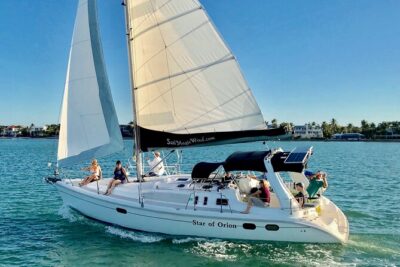
This is the kind of trip that starts with motion. You leave from the Virtu Ferries Passenger Terminal at 6:30, and the company asks you to be there 1 hour early for check-in. Once you’re onboard, you’re looking at about 105 minutes of crossing time each way, which is long enough to settle in but short enough to keep the day moving.
What makes this crossing worth it is how it changes your mindset. Instead of spending half a day “getting there,” you start the day already in travel mode, with time to get oriented before the Sicilian stops begin. Bring a light layer even in warmer months, since sea breezes can make it feel cooler than you expect.
Catania on foot: Piazza del Duomo, Elephant Fountain, Cathedral
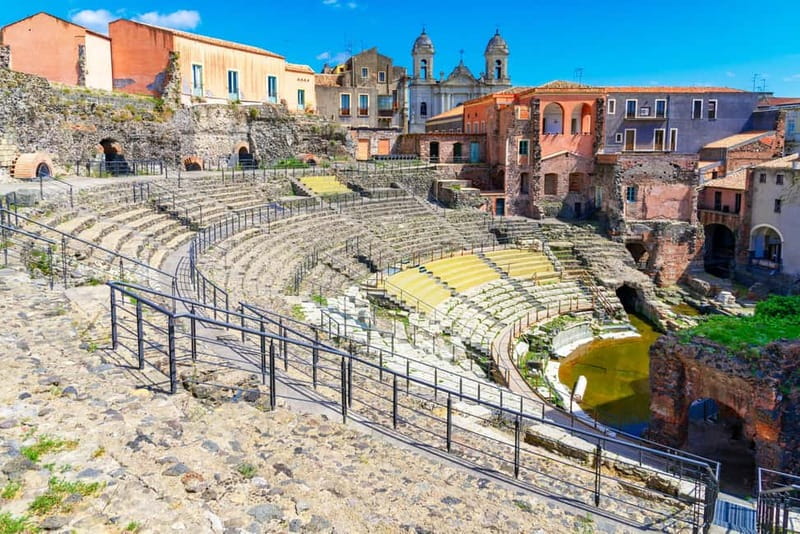
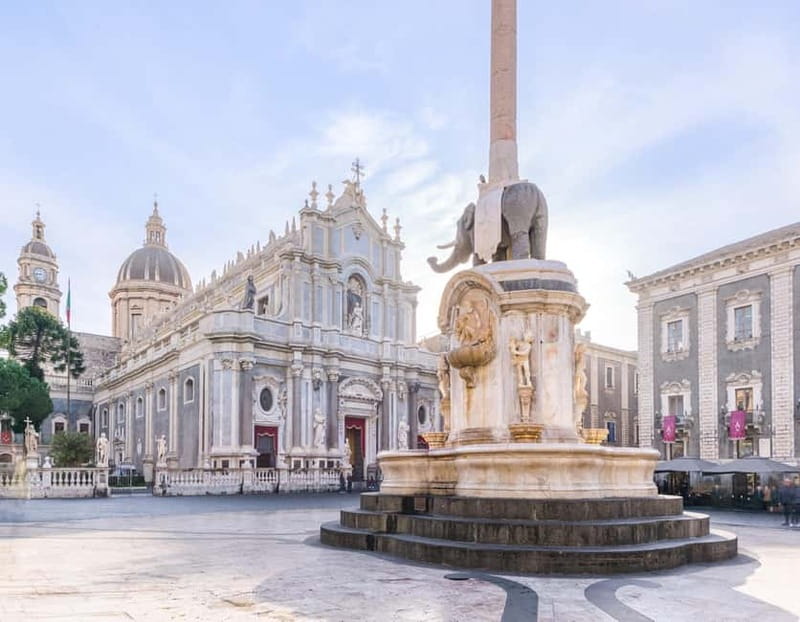
Catania is where the trip earns its cultural “why.” You get a guided walking tour that takes you through major landmarks at the base of Mount Etna, and that matters because the city and volcano are tied together in a very practical way.
You’ll see:
- Piazza del Duomo
- Elephant Fountain
- Catania Cathedral
After the walking portion, you’re not locked into a single schedule. You’ll have time to browse local market stalls or grab a quick espresso in a traditional café, which is exactly the kind of flexible stop that helps you feel the place rather than just ticking boxes.
One tip: pack your walking shoes. You’ll be on your feet through town, then you’ll be on the move again later for Etna-related walking. If you’re used to sandals and flat soles, this is your moment to switch to something that gives grip and supports your ankles.
What can feel tight here
The day is packed, and Catania is only about 3 hours total including your guided walking and market/café time. That’s enough for the highlights and a quick taste, but it’s not the kind of window where you should expect to wander every side street. If you want long, slow shopping and museum time, you might feel the clock.
The bus transfers that connect the dots
Between Catania and Etna, you take a bus/coach ride, and the time is used well. The guide provides commentary about island life while you’re traveling, so the scenery isn’t just scenery. You get context for what you’re seeing, and that makes the volcanic stop land harder.
Even the ride through changing vegetation is part of the story. As you head up, you go through areas of chestnut trees, then it transitions into oak, beech, birch, and pine. That detail might sound like trivia, but it actually helps you read the conditions around the volcano as you travel upward.
This is also why a guided format beats a DIY plan for many people. You get a clear route and “what to look for” framing, and you avoid the stress of figuring out how to link transit, timing, and what’s worth seeing at each stop.
Mount Etna crater day: walking, viewpoints, and changing terrain
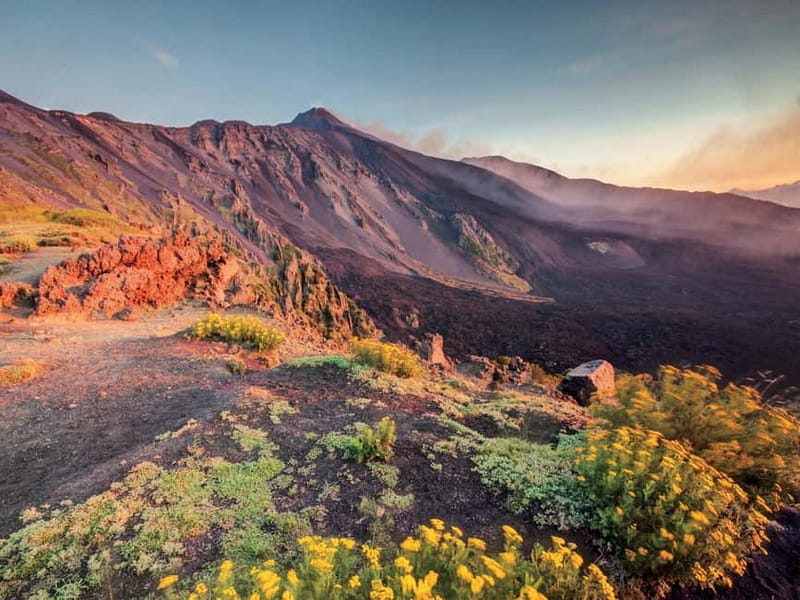
Mount Etna is the big reason most people do this trip. It’s described as the largest and most active volcano in Europe, and the itinerary is designed so you’re not just staring from the bottom.
You start with a mix of structure and freedom:
- photo stops
- a guided visit with sightseeing
- some free time
- walking and a scenic drive with viewpoints
A key part is that you travel toward the crater area and do some walking along the way. The climb passes through villages and an ever-changing environment, which is part of what makes Etna feel different from a “standard mountain view.” You’re watching geology and weather shape what’s around you in real time.
Bring warm layers no matter what
Here’s the practical call. You should treat Etna weather as an “assume cold” situation. One day you might get clear conditions, and another day can bring snow, freezing temperatures, and strong wind. If you dress like you’re going to a normal Mediterranean sightseeing afternoon, you’ll feel it fast once the wind hits.
Aim for:
- a warm base layer you can keep on
- a jacket that blocks wind
- gloves and a hat if you tend to get cold
- sturdy shoes with grip for walking
Also, plan your expectations. Even if you’re excited to take photos, you want to keep your hands warm so you can actually hold your camera without discomfort.
Timing that keeps the day realistic
This trip is a classic full-day loop: catamaran over, city time, volcano time, catamaran back. You get enough structure to feel safe and guided, but you still have room to breathe.
Here’s the general rhythm:
- Catamaran crossing: about 105 minutes
- Coach transfer: about 1.5 hours
- Catania: about 3 hours total
- Coach to Etna area: about 75 minutes
- Mount Etna: about 3 hours
- Return coach: about 2.5 hours
- Catamaran ride back: about 105 minutes
That adds up to a long day, even if you’re comfortable with travel. The upside is you end the day with two major “Sicily experiences” completed: a guided city walk and an Etna crater-area visit. The downside is you won’t have time to linger.
If you hate early starts or long stretches on transport, consider whether you might enjoy a slower plan instead. But if you want one confident day trip and you can handle being on the move, this format fits.
What’s included, what’s not, and where your money goes
The price is built around transport and guiding. You’re paying for:
- tour and English-speaking guide
- transportation (catamaran plus coach/bus)
- the catamaran trip
Food and drinks are not included. That matters because you’ll likely want to eat in Catania and possibly grab something on Etna or during transfer time. The itinerary gives you time for market browsing and a quick café stop, so having a budget ready makes the day smoother.
If you’re the kind of traveler who likes snacks in your day bag, do it. Having water and something small to eat helps if Etna conditions keep you moving more carefully than planned. Since you’ll be walking and exposed to wind, the “simple” things like hydration and warm drinks can be the difference between enjoying the experience and just surviving it.
English guidance and how the information is delivered
The tour includes a live guide in English, plus an English audio guide. That setup is useful on a day trip because you’re switching environments constantly—sea crossing, city streets, coach window time, then a volcano that can be visually intense and weather-driven.
In practice, the audio support helps you catch details even if you get momentarily distracted by viewpoints, photos, or the pace of the group. The guide commentary during transit also helps you understand what’s happening before you arrive, so you know where to look and what to listen for once you’re outside.
If you prefer information without needing to ask questions constantly, this is a good match.
Price and value: does $186 make sense for Malta to Etna?
At $186 per person for a one-day Malta-to-Sicily catamaran loop plus guided city and volcano time, the value comes down to what you’re trying to maximize.
You’re paying for:
- the catamaran crossing (not just local transport)
- a guided walking tour in Catania
- a coached route to Mount Etna
- guided context during the day
For a day trip, that’s where your money goes: convenience plus interpretation. DIY can be cheaper in theory, but it rarely stays simpler in practice when you factor in scheduling, transfers, and knowing what to prioritize once you reach Catania and Etna.
If your goal is to tick both Catania and Mount Etna in one shot, this price can feel fair. If you’d rather linger in one place, or you’re traveling on a tight budget, you might look at options that spend more time locally in Sicily instead of compressing everything into one day.
Who this day trip is best for
This trip works especially well if you:
- want a one-day taste of Sicily starting from Malta
- love guided highlights rather than endless planning
- want a big “wow” moment at Mount Etna
- are comfortable walking in the city and doing some walking on uneven or windy terrain
It’s less ideal if you:
- get overwhelmed by early departures and long transport days
- hate cold weather surprises (you can still go, just pack for it)
- want extended time in Catania beyond the main landmarks and a quick market/café moment
Should you book this Malta to Etna and Catania catamaran trip?
I’d book it if you want an efficient, guided day that combines a real Sicilian city walk with a Mount Etna visit that goes past simple roadside viewing. The structure is what you’re buying: transport, English guidance, and time management that actually gets you to both major highlights.
I’d hesitate if you’re very sensitive to cold and wind or if you can’t handle a packed schedule. In that case, the itinerary demands the right gear and the right mindset.
If you do book, take the advice that matters most: dress for Etna conditions, wear supportive shoes, and set aside the expectation that this is a “highlights day,” not a slow travel day.