REVIEW · MAUI
Whale Watching Tour on a Charming Hawaiian Catamaran From Maalaea
Book on Viator →Operated by Makena Coast Charters · Bookable on Viator
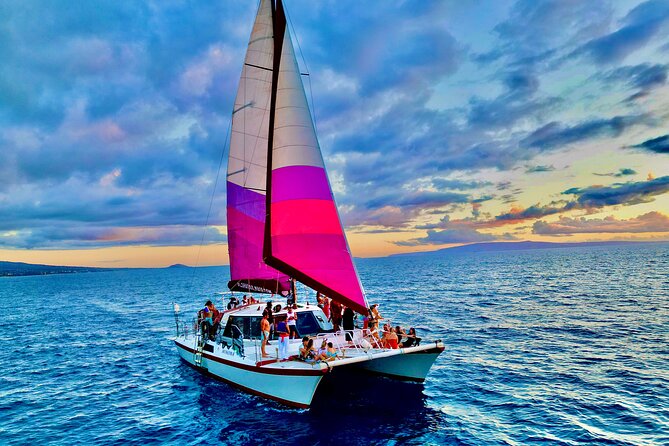
Humpbacks, close enough to feel it. This 2.5-hour catamaran tour lets you chase humpback whales in Maui’s winter waters with the added thrill of underwater hydrophones that pick up their songs. I also love the laid-back vibe of Maui’s only Hawaiian-built catamaran, but I’d plan extra time getting to the dock because some days it can be a little hard to spot the right boat.
Two things I really like: you’re not packed into a huge crowd (max 40), and you get light snacks plus soft drinks and water, with two adult beverages included for travelers 21+. One consideration: this is weather-driven, and on rough or windy days viewing can be harder even when the crew keeps working the route.
If you’re visiting in the whale season (December through March), this is one of the best ways to make your winter Maui day feel like a true wildlife outing. Expect West Maui, Molokai, and Lanai views while the crew shares what you’re looking for and how humpbacks communicate and move.
In This Review
- Key points before you book
- Whale watching from Maalaea: what you’re really buying
- The catamaran vibe: Winona’s layout and how to choose your spot
- The whale calendar: what humpbacks are doing in Maui winter
- How the 2.5 hours usually play out on the water
- 1) Board at 233 Maalaea Rd and get your bearings fast
- 2) First scan: whales can show up surprisingly quickly
- 3) Whale songs with hydrophones: the moment that hooks most people
- 4) When whales come close, the captain may adjust the ride
- 5) Repositioning can mean multiple viewing chances
- 6) Return to Maalaea with a day that feels complete
- Drinks, snacks, and the little comforts that matter
- Dolphins: the bonus you’ll notice only if you’re paying attention
- Weather and wind: how it can affect your viewing
- Who this tour suits best (and who should skip it)
- Guides, safety, and respect for whales
- Price and value: is $85 a fair deal?
- Should you book the Whale Watching Tour on the Winona from Maalaea?
- FAQ
- How long is the whale watching tour on the Winona?
- Where does the tour start?
- Is the tour round-trip?
- What is included in the price?
- Are underwater hydrophones included?
- Will I see dolphins?
- What whale season is this tour for?
- Do kids get a discount?
- What should I know about weather?
- Is it suitable for people with mobility issues?
Key points before you book
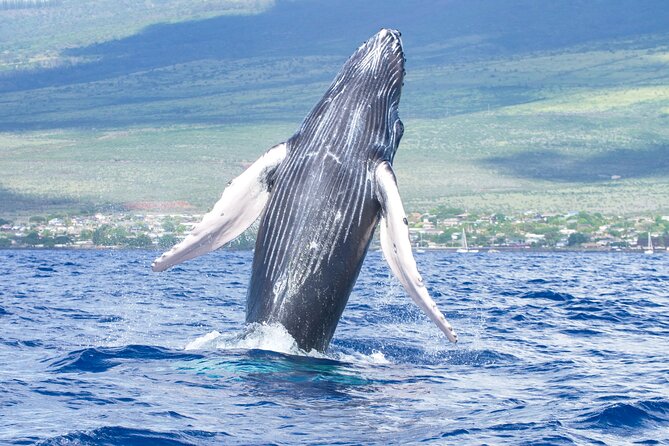
- Close-range chasing (when conditions allow): You may end up drifting near whales with engines off to give them space and improve your view.
- Underwater hydrophones for whale songs: The crew lowers a microphone into the water so you can hear the call-and-response feel of humpbacks.
- Small-group comfort (max 40): The smaller boat size usually means easier sightlines and a more relaxed experience.
- Snacks and drinks included: Light snacks plus soft drinks and water; 21+ travelers get two adult beverages.
- Occasional dolphins: You might add dolphin sightings to the day if they’re around.
- Good planning matters: Arrive early and bring sunscreen, since you’ll be outside a lot.
Whale watching from Maalaea: what you’re really buying
At $85 per person for about 2 hours 30 minutes, you’re paying for three practical things: getting out on the water during peak whale months, staying comfortable enough to enjoy the full sail time, and having a crew that knows how to work with sightings rather than just following a fixed route.
This tour is based in Maalaea, not far from the action of Maui’s central coast. That matters because humpbacks can appear pretty quickly during the season, and a strong start can shape the whole outing. Multiple people describe whale sightings happening early and then building into lots of encounters once the crew finds active water.
You’re also buying a specific kind of boat experience. The Winona is a Hawaiian-built catamaran, and the smaller catamaran size is a theme in the feedback: people like that it feels more intimate than larger whale boats. When a boat has fewer people, it’s easier to spot spouts and body movement, and it’s less annoying when you’re repositioning for the next clue.
You can also read our reviews of more boat tours in Maui

The catamaran vibe: Winona’s layout and how to choose your spot
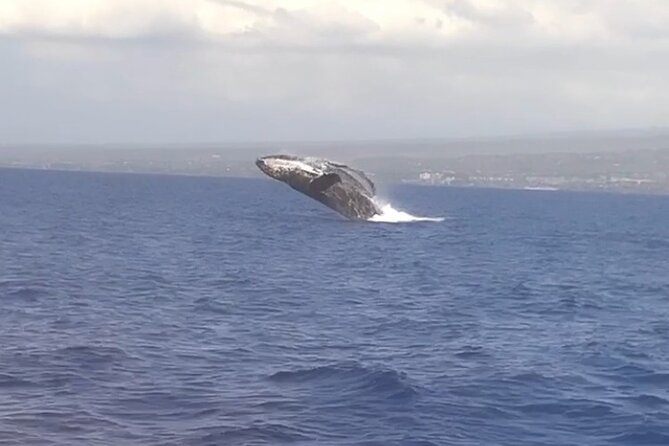
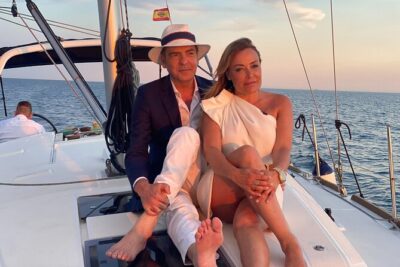
On this outing, you’re free to lounge on deck or inside on the main floor when you need a break from wind or sun. The vibe is casual: you’re there for wildlife first, comfort second, and the boat setup is built for enjoying both.
Here are the practical things that can help you decide where to stand or sit:
- If you want the best viewing, go where you can see forward clearly. Some of the best close moments happen when whales come close to the vessel, and being positioned well makes a big difference.
- If spray doesn’t bother you, the forward nets can be worth it. People note that you can get splashed, but you also get a front-row angle.
- Use inside time when it’s windy. One reason people keep praising the crew is that they adapt in the moment, like helping someone who was getting seasick by moving them to a calmer spot up top.
One small detail I love for comfort and sanity: there’s a no-shoe policy on deck mentioned in the experience notes. That keeps the deck feeling less like a slippery walkway and more like an easy place to move around.
The whale calendar: what humpbacks are doing in Maui winter
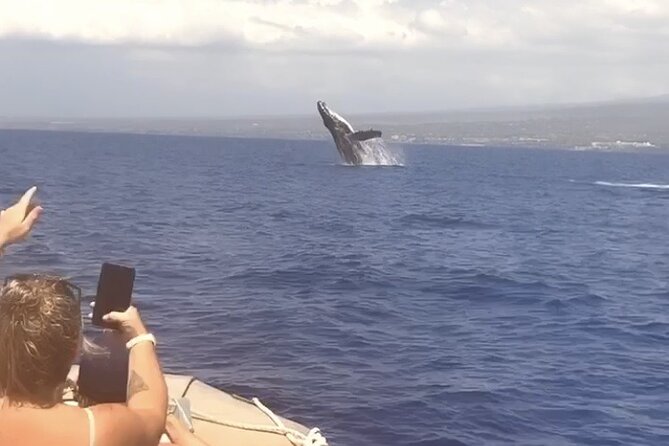
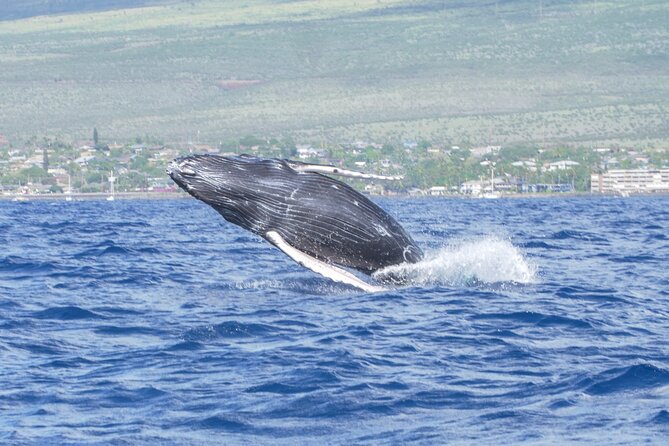
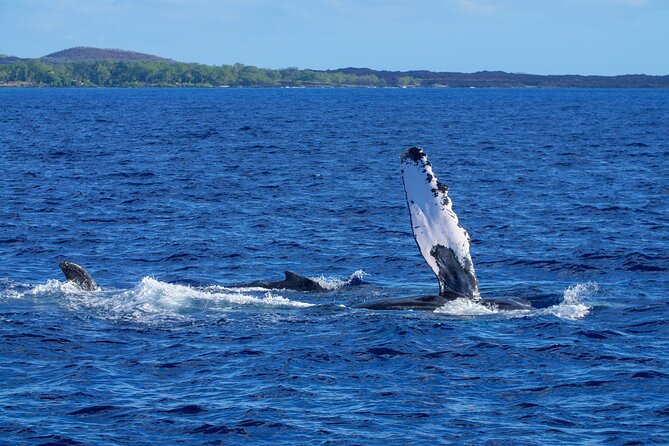
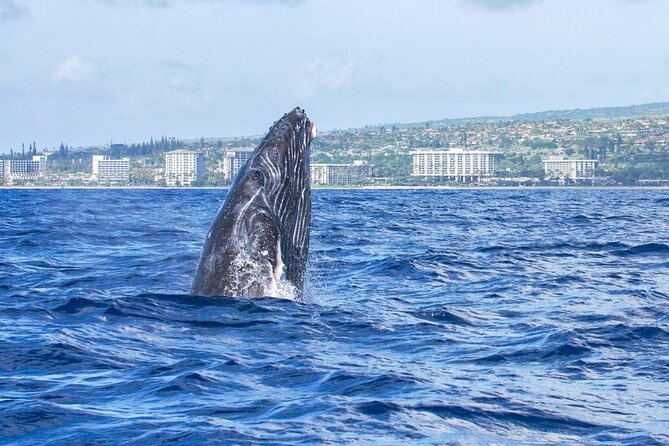
This tour runs during Maui’s humpback season, from December through March. That’s when hundreds of whales migrate to warmer waters for breeding and birth. It’s not just about seeing a whale; it’s about seeing behavior.
What that typically means on the water:
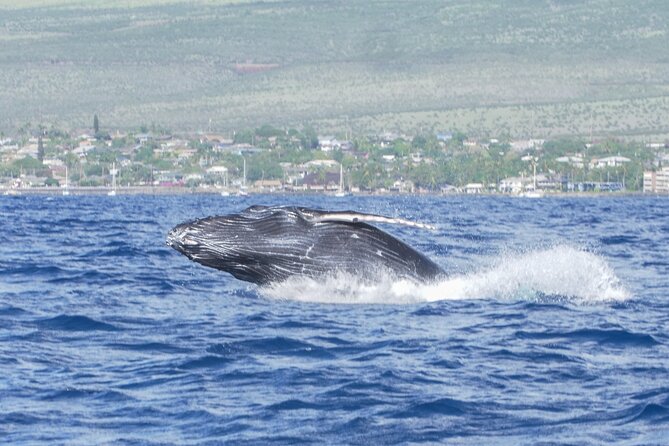
- You’ll watch for breaches (jumping out of the water) and tail slaps.
- You may see mothers with calves, and sometimes escorts around them.
- The crew will help you interpret what you’re seeing so you’re not just scanning randomly.
And the best part isn’t even always visual. The hydrophones turn the outing into a more complete sensory experience. When the microphone is lowered, you’re not guessing. You’re hearing. That adds a layer that makes the whales feel less like distant dots and more like living animals communicating in their own language.
How the 2.5 hours usually play out on the water
There isn’t a public, fixed stop list, but the day has a clear rhythm. Think of it as scan, listen, reposition, repeat—while balancing whale safety and passenger comfort.
1) Board at 233 Maalaea Rd and get your bearings fast
You’ll start at 233 Maalaea Rd, Wailuku, HI 96793, and the tour ends back at the same meeting point. Plan to arrive early enough to find check-in and get settled before you push off.
A small but real tip: some people mention the boat can be a little tricky to spot, so give yourself buffer time. If you’ve ever dealt with beach parking and a busy marina area, you already know why this matters.
You can also read our reviews of more sailing experiences in Maui

2) First scan: whales can show up surprisingly quickly
One of the most encouraging parts of this experience is how often sightings happen early. Several people describe seeing whales soon after leaving the marina, then continuing to pick up more encounters as the crew follows activity.
On a catamaran, the scan-and-slide rhythm works well:
- Look for spouts and movement.
- Watch for body lines breaking the surface.
- Let the crew guide your attention—especially when they start using hydrophone listening.
3) Whale songs with hydrophones: the moment that hooks most people
This tour includes underwater hydrophones. The crew lowers a mic into the water so you can hear humpback songs. In a short outing, it’s a big emotional payoff because whale behavior isn’t just seen—it’s heard.
If you want to maximize this moment:
- Position yourself where you can hear and see crew instructions without rushing.
- Keep your face toward the water when they signal that something is active nearby.
- Don’t assume the loudest moment is the best. Whale calls can come in waves, and patience pays.
4) When whales come close, the captain may adjust the ride
More than one person mentions a highlight like the captain turning off engines and drifting so whales can approach. That’s not a gimmick. It’s also a respect-and-safety technique that changes the feel of the ride from motor motion to quiet drift.
The upside for you is simple: when the sound of the boat drops, whale activity feels closer. The downside is equally simple: it depends on weather and whale positioning that day.
5) Repositioning can mean multiple viewing chances
Some notes point to stopping at several locations during the outing (people mention 3 or 4). That fits the way humpback sightings can work: the whales don’t stay in one place, and active groups can move.
You’ll likely feel this as:
- brief periods of scanning,
- then a short burst of close encounters,
- then a change in direction while the crew searches again.
6) Return to Maalaea with a day that feels complete
Because the tour loops back to the meeting point, you don’t need to figure out a separate landing plan. You get your full whale watching session, then you’re done—no extra logistics, no extra shuttle.
Drinks, snacks, and the little comforts that matter
This is a value play. At $85, you’re not just paying for time on a boat. You’re paying for comfort that makes staying out there easier.
Included:
- Light snacks
- Soft drinks, juice, and water
- For travelers 21+, two adult beverages
People specifically call out that the drinks taste good, and that snacks are there when you want them. That matters on water, where people often get hungry but don’t want to leave the deck for a snack run.
Also, the boat has two restrooms. On a 2.5-hour tour, that’s the kind of feature you only appreciate when you need it, but it’s still a big quality-of-life win.
Dolphins: the bonus you’ll notice only if you’re paying attention
This tour includes dolphin encounters on occasion. That language is honest. You shouldn’t plan your day around dolphins, but it’s a nice extra when they’re in the area.
If dolphins show up, the crew will usually point them out as part of the larger picture: whales and dolphins can share productive water where fish and currents bring food close to the surface.
Weather and wind: how it can affect your viewing
This is one of the biggest variables you should think about before you book. The tour requires good weather. If conditions are poor, you’ll be offered a different date or a full refund.
Even on a good-weather day, wind can change what you can see comfortably:
- If it’s gusty, whales may still show up, but the ride may be more bouncy.
- If it’s calmer, you’ll likely get easier spotting and more relaxing time on deck.
The good news: the crew is used to adjusting on the fly. People describe the captain and crew as careful about safety, even in windy conditions.
Who this tour suits best (and who should skip it)
This is a good fit for:
- Couples and friends who want an intimate catamaran day instead of a huge tour bus feel
- Families who want a fun, educational outing during winter months
- Whale lovers who care about whale songs as much as sightings
It may be harder for:
- travelers with mobility issues, since the tour isn’t recommended for limited mobility
- anyone who struggles with being on a boat with moderate movement (even if the crew helps where they can)
If you have kids, there’s a friendly policy: infants and kids ages 0–5 come for free, but parents must call the office to confirm. For infants 0–6 months, parents must bring a Coast Guard approved life vest.
Guides, safety, and respect for whales
One theme that shows up repeatedly is respect for the animals. People mention that the crew is careful about maintaining whale space while still working hard to give you the best possible viewing.
You may also see familiar faces like Captain Sam, plus crew members such as Megan, Carl, Stacey, or Spencer, depending on your sailing. The helpful part isn’t the name tag. It’s the way the team communicates: spotting whales, positioning you, and explaining what to look for.
Safety shows up in small moments:
- drifting instead of pushing close,
- helping guests find a calmer spot if the ride gets rough,
- careful handling when whales are nearby.
That balance is exactly what you want from a whale tour. You want excitement without the feeling of reckless closeness.
Price and value: is $85 a fair deal?
For Maui whale watching, $85 is often what you hope to pay, not what you expect. Here, the value comes from what you actually get:
- a smaller catamaran (max 40),
- hydrophones included,
- snacks and drinks included,
- restrooms on board,
- and a crew actively working sightings rather than treating it like a passive cruise.
If you’d otherwise pay separately for food, drinks, or a similar add-on like whale song technology, this package starts to look like a smart buy. If you’re trying to build a Maui day without blowing your budget, it’s a strong candidate.
Should you book the Whale Watching Tour on the Winona from Maalaea?
Book it if you want a Maui whale outing that feels intimate, includes whale songs via hydrophones, and comes with comfort basics already covered (snacks, soft drinks, water, and adult drinks for 21+). The season timing matters—December through March is when this makes the most sense.
Think twice or plan with extra flexibility if:
- you’re traveling right at the edge of the season and weather is unpredictable,
- you have limited mobility,
- or you hate the idea of finding the right meeting spot in a busy marina area (arrive early and use your phone for navigation).
If you’re doing one whale tour during your winter Maui trip, this is the kind of option that lets you focus on the whales rather than the hassle.
FAQ
How long is the whale watching tour on the Winona?
It runs about 2 hours 30 minutes.
Where does the tour start?
The meeting point is 233 Maalaea Rd, Wailuku, HI 96793, USA.
Is the tour round-trip?
Yes, it ends back at the meeting point.
What is included in the price?
You get light snacks, soft drinks, juice, water, and island-style music. Travelers 21+ also get two adult beverages.
Are underwater hydrophones included?
Yes. Underwater hydrophones are part of the experience so you can hear whale songs.
Will I see dolphins?
Dolphin encounters happen occasionally during the tour.
What whale season is this tour for?
The humpback migration and breeding/birth season runs from December through March.
Do kids get a discount?
Infants and kids ages 0–5 come for free, but parents must call the office to confirm. For infants 0–6 months, you must bring a Coast Guard approved life vest.
What should I know about weather?
The experience requires good weather. If it’s canceled due to poor weather, you’ll be offered a different date or a full refund.
Is it suitable for people with mobility issues?
It’s not recommended for travelers with mobility issues. The tour requires a moderate physical fitness level. If you have questions, you should call for help.