REVIEW · LANZAROTE
Lanzarote: Whale and Dolphin Watching Eco-Friendly Catamaran
Book on GetYourGuide →Operated by WeWhale Lanzarote · Bookable on GetYourGuide
A good dolphin sighting starts with a quieter boat. This Lanzarote outing pairs a fully electric catamaran with low-impact viewing and onboard learning, so you’re not just chasing animals—you’re understanding them. I especially like the silence of the electric drive and the way the crew keeps your encounters calm and respectful. One thing to weigh: wildlife sightings are never guaranteed, and cool, cloudy weather can reduce what you see.
The other part I really like is the hands-on education. You’ll get commentary in French, Spanish, or English, and you can even listen underwater with an onboard hydrophone while you scan for movement. You’ll also enjoy a small set of complimentary snacks and drinks, including fresh fruits, without turning the trip into a party boat. The main drawback for some people is that the catamaran isn’t suitable for wheelchair users.
In This Review
- Key moments worth planning around
- Why an electric catamaran changes your whale-and-dolphin trip
- Puerto Calero boarding: Dock F22 is the game plan
- What 4 hours on the water feels like
- The crew’s role: education that actually helps you spot things
- Listen for whale and dolphin calls with the hydrophone
- Snacking and drinks: simple, practical, and local-flavored
- Wildlife viewing rules that keep the encounter respectful
- What to bring (and what to skip) for a comfortable cruise
- Who this catamaran trip suits best
- Price and value: is $112 worth it?
- The weather reality: what to expect when conditions aren’t perfect
- Should you book this Lanzarote whale-and-dolphin eco cruise?
- FAQ
- Where does the tour start?
- How long is the whale and dolphin watching eco-cruise?
- How much does it cost?
- What languages is the live guide available in?
- What’s included during the trip?
- What should I bring?
- What items or actions are not allowed on board?
- Is wheelchair access available?
Key moments worth planning around
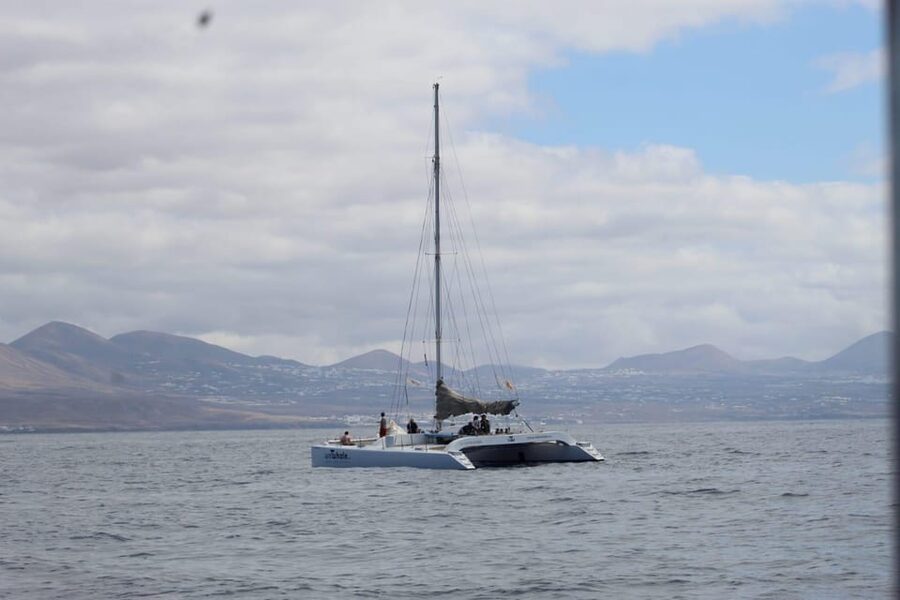
- A fully electric, emission-free catamaran that makes the sea feel closer and cleaner
- Onboard hydrophone so you can hear whale and dolphin communication
- Crew-led, low-disturbance viewing that prioritizes the animals’ comfort
- Complimentary local snacks and fresh fruit to keep energy up on the water
- Panoramic coastline views from Puerto Calero while you wait for the next sighting
- 4 hours on the Atlantic—long enough to search, not so long you feel stuck
Why an electric catamaran changes your whale-and-dolphin trip
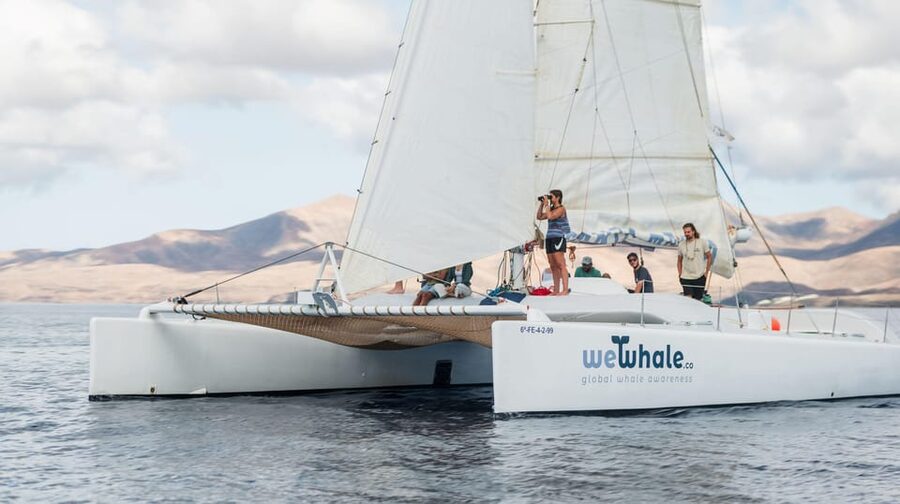
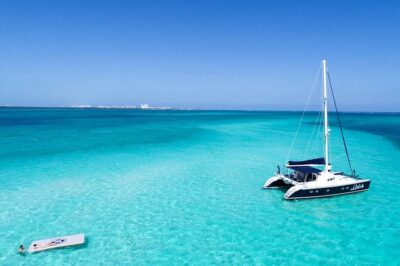
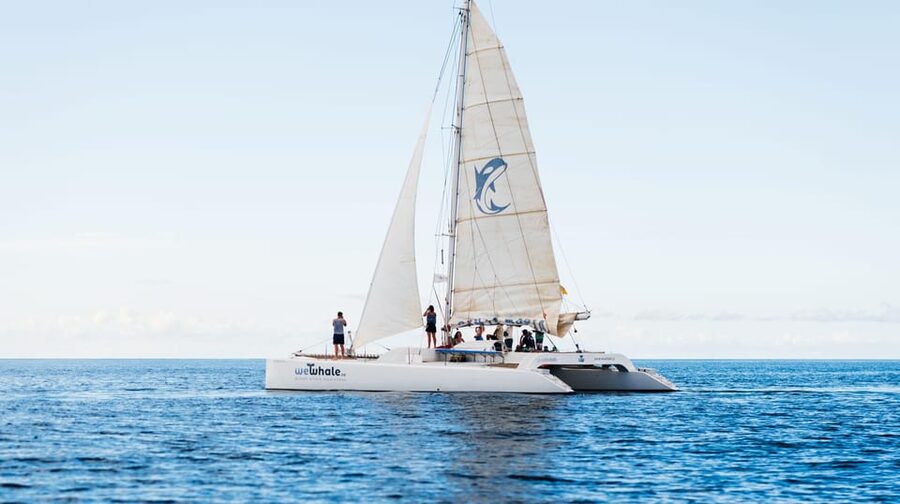
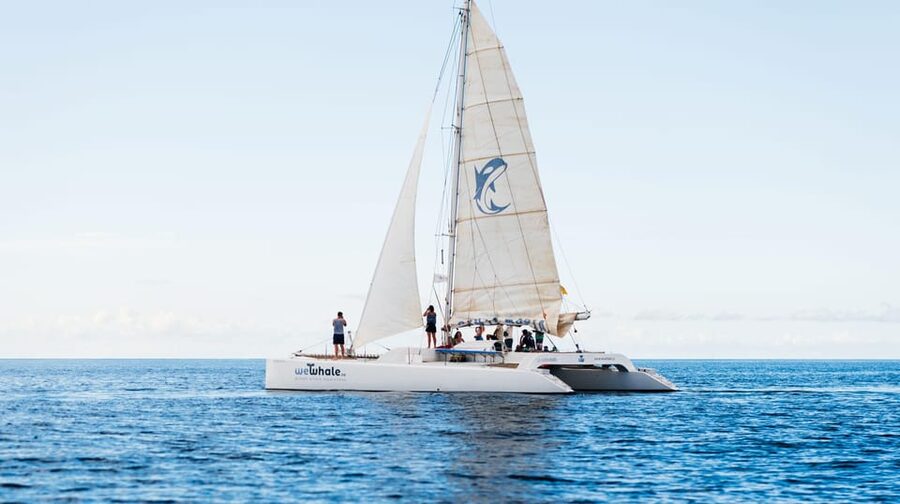
On Lanzarote’s Atlantic waters, sound and smell matter more than you’d think. On diesel boats, the engine noise and exhaust can cut through the experience. Here, the catamaran uses an electric drive, so you get that rare feeling of gliding instead of chugging. I like that because it changes how you watch: you’re more alert to real surfacing and less distracted by mechanical noise.
It also fits the whole point of wildlife watching. The goal isn’t to crowd animals or force close encounters. The operator emphasizes minimal disturbance, and the quiet boat helps you do that naturally. In practice, you’ll spend more time scanning and listening, not reacting to an engine.
You can also read our reviews of more boat tours in Lanzarote
Puerto Calero boarding: Dock F22 is the game plan
This trip departs from Puerto Calero, at Marina Puerto Calero, Pontoon F22. I’m a big fan of trips that give you a clear meeting spot, because it saves time and stress when you’re traveling in a new place.
You’ll want to arrive with a little buffer to find the pontoon and get settled before you push off. Parking is available nearby, and you can also arrange arrival by bus or taxi. If you’re staying anywhere around Puerto Calero, this is one of the easier Lanzarote activities to roll into your day without a long transfer.
What 4 hours on the water feels like
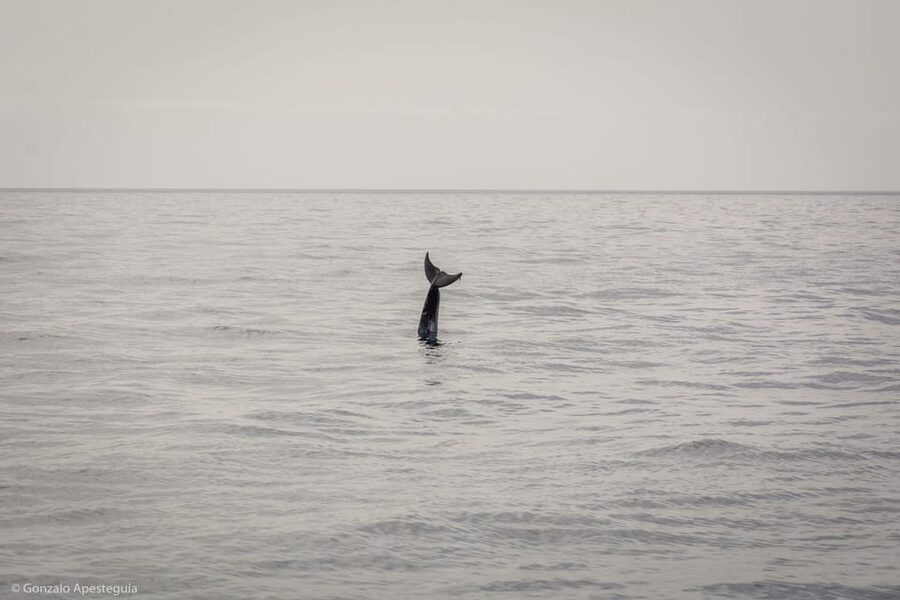
A 4-hour duration is long enough to do a proper search, but short enough that you don’t feel trapped if the sea is moving or the weather is changing. Expect time on the water cruising and scanning for whales and dolphins. The crew provides live commentary throughout, so even the quiet moments feel useful instead of empty.
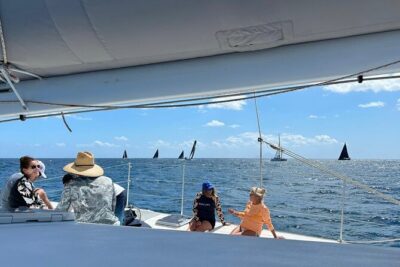
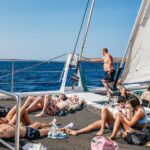
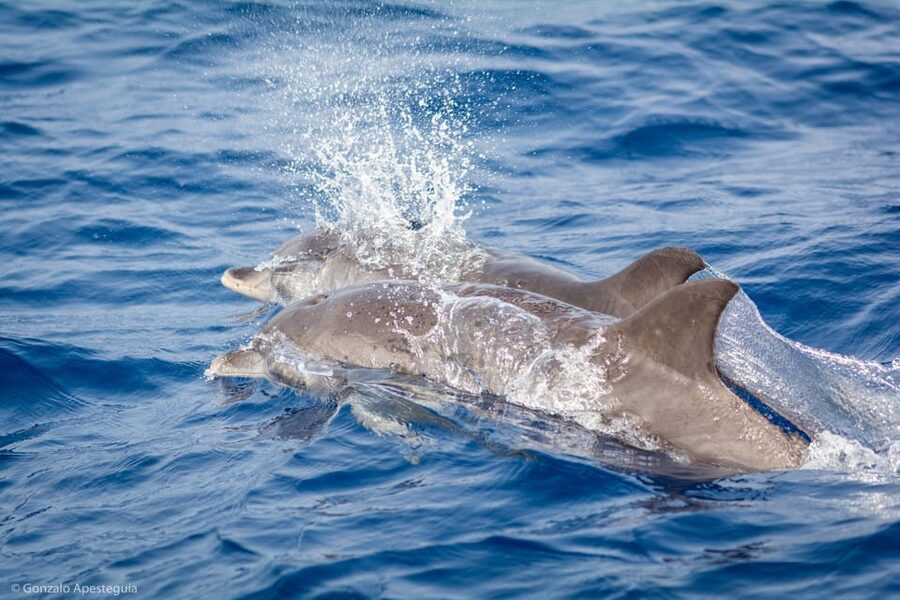
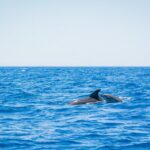
You’ll likely spend some time watching from the deck while the boat maneuvers to where sightings may be possible. When dolphins or whales appear, the electric catamaran’s close-to-the-water feel tends to make sightings feel more immediate. One review highlighted how people felt very close to the water, and that’s exactly the kind of detail that matters when you’re looking for small surface activity.
The crew’s role: education that actually helps you spot things
This is not just a “look and hope” cruise. The crew’s job is to put the encounter in context, explaining what you’re seeing and how the local ecosystem works. That commentary can help you notice details: the difference between a quick surfacing ripple and a more sustained presence, or how dolphin behavior might change when they’re hunting or traveling.
I also like that the operation is built around not pressuring the animals. In your mind, it’s tempting to think more closeness equals better views. Here, the approach is the opposite: you observe without crowding. That makes the experience better for you and, more importantly, better for the animals’ behavior.
Listen for whale and dolphin calls with the hydrophone
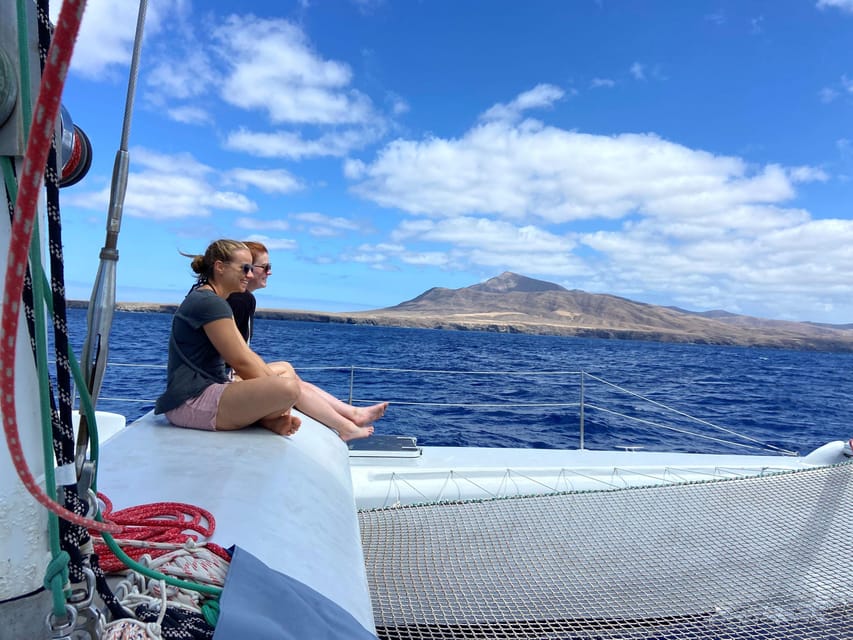
One of the coolest additions is the onboard hydrophone. Instead of only watching what happens at the surface, you can listen to communication underwater. Even if you don’t understand every sound, the experience changes your relationship with the wildlife. You’re no longer thinking the animals are silent until they break the surface.
This is the kind of “small detail” that becomes a main memory. You’ll be scanning visually, then the hydrophone gives you another channel of information. If you’re the type who enjoys learning without it feeling like a classroom, this feature is a big win.
You can also read our reviews of more sailing experiences in Lanzarote

Snacking and drinks: simple, practical, and local-flavored
The trip includes complimentary snacks and soda/pop, plus fresh fruits. You’ll also get additional beverages. It’s not a full meal, but it’s enough to keep you comfortable for four hours, especially if you’re outside in sun and wind.
What I like about this setup is that it doesn’t distract from the wildlife focus. You can snack, sip, and keep your eyes on the water. Fresh fruit is a nice touch because it’s light and easy to eat while staying alert.
Wildlife viewing rules that keep the encounter respectful
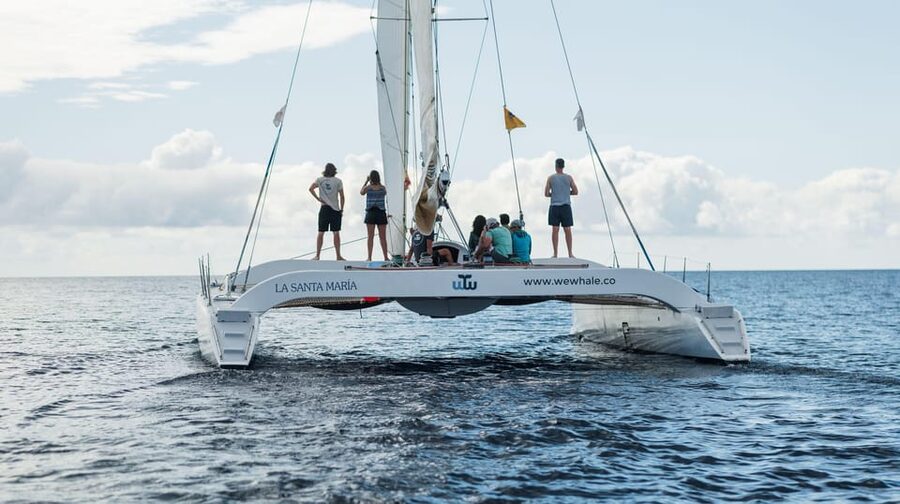
You’ll see the eco-friendly philosophy in the way the excursion is run. The program is designed for minimal disturbance, and the crew emphasizes education alongside viewing.
A few practical boundaries are clearly stated:
- Smoking is not allowed.
- Alcohol and drugs are not allowed.
- Littering isn’t allowed.
- Feeding animals isn’t allowed.
These rules matter. When people ignore them, wildlife behavior can change fast. When everyone follows them, sightings tend to feel more natural and less like a staged moment.
What to bring (and what to skip) for a comfortable cruise
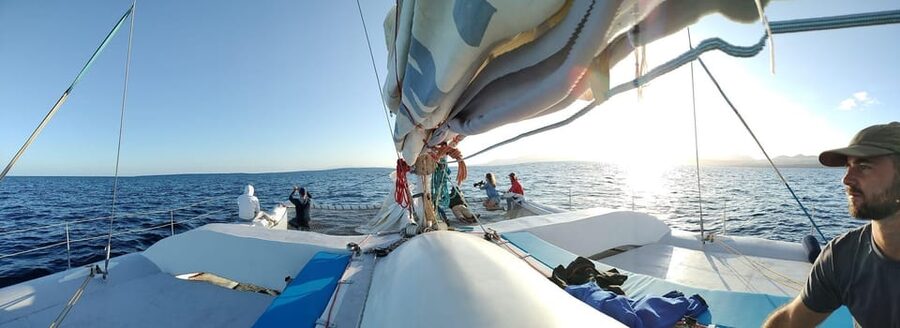
Bring a hat and sunscreen. That’s the short list, and it’s the one that matters most on the water. Wind can fool you into thinking you’re not getting sunburned, and the Atlantic can still be bright.
You should also be ready for the possibility of cooler conditions depending on the season. One practical lesson from people who went in early February: cloud cover and chilly weather can make the experience feel harsher and may affect what you spot. You can’t control the sea, but you can control what you wear—layers help, even if your Lanzarote plans include a sunny afternoon on land.
Who this catamaran trip suits best
This is a great fit if you:
- Want a wildlife outing with an education component (commentary + hydrophone).
- Care about eco-friendly operation and quieter, low-emission travel.
- Prefer a more personal feel than giant sightseeing boats (the setup can feel closer to the water).
It may not be the best choice if you:
- Need wheelchair access (this activity is not suitable for wheelchair users).
- Are only interested in guaranteed whale sightings. No marine wildlife trip can promise a specific outcome.
If you’re traveling with kids, it can work well because the hydrophone and crew explanations give you something to “do” besides staring into the horizon. If you’re a solo traveler, the multilingual guide experience can be reassuring—you’re not locked out if you don’t speak one language.
Price and value: is $112 worth it?
At $112 per person for a 4-hour outing, the value depends on what you’re optimizing for.
You’re paying for three things that are hard to fake:
- The electric, emission-free catamaran experience (quiet, closer-feeling ride).
- Expert-led narration and the hydrophone feature.
- Complimentary snacks and drinks, plus a more wildlife-respectful approach.
If your priority is simply getting on any boat and hoping to see something, a cheaper option might exist. But if you want the experience to feel thoughtful—quiet, educational, and low-disturbance—this one holds up better. A strong rating of 4.7 suggests a lot of people felt the same way about the value.
The weather reality: what to expect when conditions aren’t perfect
I always tell people to plan for uncertainty on the water. Even with good skills and local knowledge, whales and dolphins come and go. You can do everything right and still have fewer sightings.
Weather plays a big role in comfort and visibility. If it’s cold and overcast, you’ll likely still enjoy the boat and learning, but sightings can be less frequent. If you’re choosing between dates, aim for calmer, sunnier conditions when you can.
Should you book this Lanzarote whale-and-dolphin eco cruise?
If you want a wildlife trip that feels more respectful and more educational than a typical cruise, I’d book it. The electric catamaran isn’t just a marketing point—it changes the tone of the day. The hydrophone adds a genuinely different layer to the experience, and the crew-led commentary helps you make sense of what you see.
Skip it only if you strongly need guaranteed whales every time or if mobility needs make you rely on wheelchair accessibility. Otherwise, this is one of those practical “do it while you’re here” activities—especially because it’s four hours, starts from a straightforward marina spot, and centers marine life without turning it into a loud show.
FAQ
Where does the tour start?
The meeting point is Puerto Calero, Dock F22 (Marina Puerto Calero, Pontoon F22).
How long is the whale and dolphin watching eco-cruise?
The duration is 4 hours.
How much does it cost?
The price is listed as $112 per person.
What languages is the live guide available in?
The tour guide speaks French, Spanish, and English.
What’s included during the trip?
It includes snacks, soda/pop, and fresh fruits.
What should I bring?
Bring a hat and sunscreen.
What items or actions are not allowed on board?
Smoking, alcohol and drugs, littering, and feeding animals are not allowed.
Is wheelchair access available?
No, this activity is not suitable for wheelchair users.